




American Shipper Archives
Friday, July 28, 2023
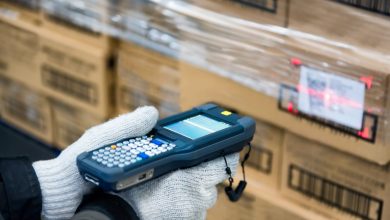
How barcoding changed vehicle shipping in 1992
In an article published in 1992, American Shipper details the first use of barcodes for shipping Chrysler vehicles.
In an article published in 1992, American Shipper details the first use of barcodes for shipping Chrysler vehicles.

Despite ongoing controversy over shareholder treatment, analyst Michael Webber says shipping is doing a better job.

After rapidly expanding its fleet during the boom, ocean carrier Zim is backpedaling and shedding ships.

For the first time since freight sentiment index inception, shippers are the least positive group. Does that mean the market is balancing?
Container lines did not manage post-boom vessel capacity as well as expected. In the trans-Pacific, they may be belatedly getting the hang of it.
Expectations for peak season have waned, but container lines may have bounced off the bottom.
Fluid Truck Renew helps commercial fleets lease out parked equipment and offers a simple way for new fleets to enter the market.

Spreads between high- and low-sulfur fuels are down to pandemic levels and LNG has become much more economical.
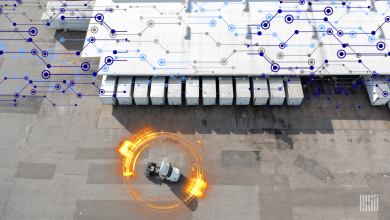
According to Terminal Industries, 92% of yards lack technology solutions to eliminate wasted capacity, drive down unforeseen costs and improve inventory operations, leading to $146 billion in excess transportation costs.
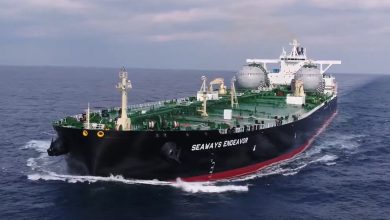
Shipowners have invested billions in the LNG fuel option in the belief that it will benefit regulatory compliance and the environment.
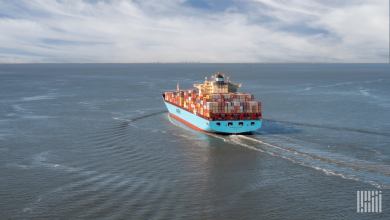
Pricing in ocean shipping was done much differently in the 1970s compared to today. To simplify things, a group of executives created a game around the concept for workers to play.
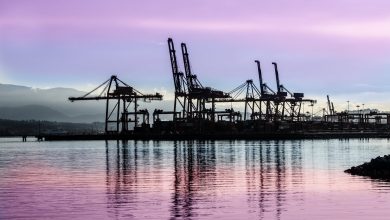
U.S. rail imports from Vancouver and Prince Rupert are imperiled again. ILWU Canada has rejected the proposed dockworkers contract.

“I think this acquisition sends the message to the market that we are here to add real value,” said Ship Angel founder Graham Parker.
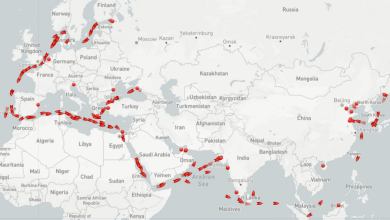
Tanker shipping sanctions compliance is getting a lot more complicated as the price of Russian crude oil rises.
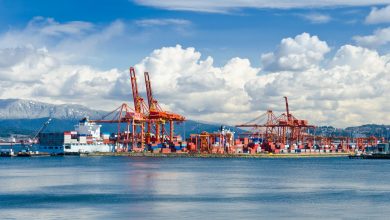
The extended strike in western Canada was beginning to affect U.S. supply chains. Its resolution limits the fallout.

Sulfur pollution addressed by IMO 2020 created a health risk, but that pollution had a cooling effect, which has now been reduced.

This report shares an in-depth overview across the trucking, maritime and intermodal markets.
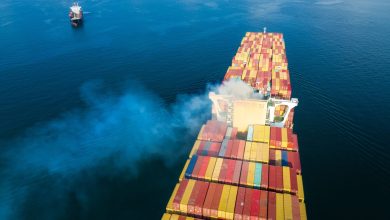
The agreement should keep tanker and bulker orders in check, while increasing the risk of a future carbon tax on container shippers.

Tive’s technology advancements allow customers to see blind spots in air and ocean cargo.
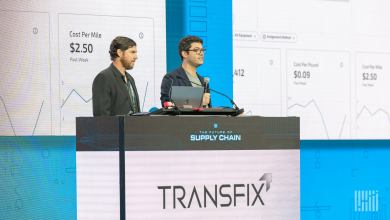
Obtained documentation shows Transfix is looking to raise funds at a $376 million valuation.