Geopolitics, container shipping rates and an ominous sign from Taiwan
“We are starting to see ocean carriers systematically take geopolitical risk into consideration,” says Xeneta’s Erik Devetak.
Jefferies’ Omar Nokta believes container shipping investors are starting to look toward “the end of the destock and beginning of the restock.”
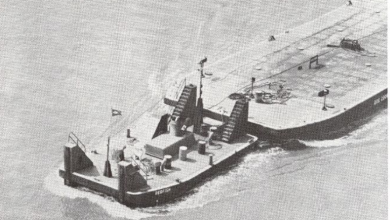
Today, automation can mean launching a fleet of autonomous robots that can unload shipping containers without human intervention. In 1974, a remote-controlled “bow boat” was considered a major launch.
More Western tankers are jumping into the Russian trade — legally, under the price cap — to pocket big freight premiums.
Many industries are enjoying high profits from historic inflation. The furniture industry isn’t one of them. Thank the supply chain crisis.
“Simply put, there’s no bigger priority right now than this contract agreement,” says Gene Seroka of the Port of Los Angeles.
Although import volumes show signs of a nascent recovery, the inventory overhang remains daunting.
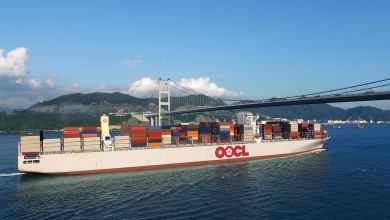
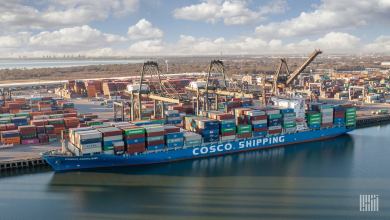
First-quarter numbers from container lines Cosco, OOCL and Evergreen show lingering upside from the tail end of the boom.
After labor unrest closed Los Angeles and Long Beach on Friday, ports on the East and Gulf coasts look even more attractive.
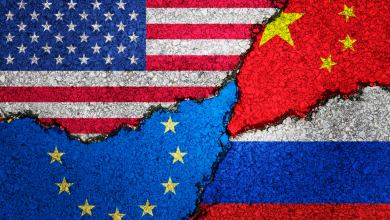
Worsening China-U.S. relations underscore how pivotal geopolitics has become to global shipping and trade.
Transportation Secretary Pete Buttigieg has been lambasted for his performance. Supply chain insiders don’t entirely agree with the criticism.
Despite a collapse in freight rates, container shipping is not behaving like an industry facing an imminent crisis.
Crude production cuts are inherently bad for tanker shipping, but analysts are downplaying the fallout.
The trend in container shipping is summed up by the adage, “The higher you climb, the further you have to fall.”
Surging costs after Russia’s invasion of Ukraine could be a taste of things to come as shipping transitions to more expensive “green” fuels.
The lineup of shipping stocks is in flux. There are multiple new listings as well as notable departures.
A fifth of U.S. containerized imports come from Europe. Shipping on this route remains much more expensive than it used to be.
Container shipping just experienced a record boom. Some believe crude and product tankers are poised to follow suit.
Shipowners say they won’t order expensive new dual-fuel tankers without charters. They’re not getting charters, so they’re not ordering.
FreightWaves CEO and founder Craig Fuller and Head of Freight Market Intelligence Zach Strickland discussed global supply chain conditions in the latest “State of Freight” webinar on March 16. They were joined by Adam Josephson, paper and packaging vertical expert at FreightWaves.