




Joanna Marsh
Friday, November 20, 2020
And then there were five: Senate approves two new STB members
The Senate has confirmed the appointments of Robert Primus and Michelle Schultz.
The Senate has confirmed the appointments of Robert Primus and Michelle Schultz.

A panel of economic experts weighs in on the future of the Surface Transportation Board and the rail industry itself.

Rail stakeholders debate the legacy of precision scheduled railroading and the common carrier obligation.
A rail shippers coalition continues efforts to ask the Surface Transportation Board to consider collecting first-mile and last-mile data.
GoRail sent a letter on the 40th anniversary of the Staggers Act telling the Surface Transportation Board not to make wholesale changes to rail regulation. The letter had over 1,000 signatures from local, state and federal officials and executives.
Grain members of Surface Transportation Board advisory committee say the railroads have been supplying sufficient amounts of power and crews to meet service needs.
The independent federal rail agency is looking at the market factors determining exemption from board oversight. The board also separately declared five Class I railroads as being revenue adequate in 2019.
The Board is modifying what data it collects from the waybill samples of the U.S. freight railroads.

The rule outlines seven ways to determine whether a shipper is facing market dominance, or a situation in which shippers have limited rail shipping options. But the effectiveness of the new rule remains to be seen, some say.
The nominations of a Republican and Democrat to the Surface Transportation Board are pending before the U.S. Senate Commerce Committee.
A new rule adopted by the Surface Transportation Board, effective July 20, calls for the Class I railroads to report when railcars designated for chemicals or plastics are held for longer than two days.
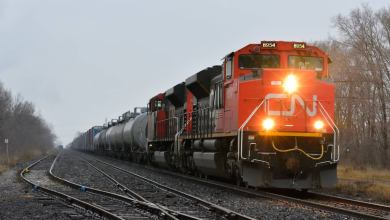
Actions by the Surface Transportation Board and the Transportation Safety Board of Canada show both agencies exploring whether there is a need to modify existing regulations.
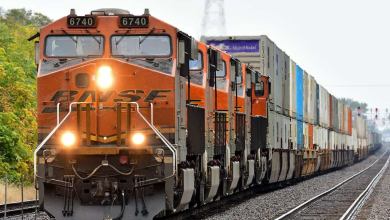
Some shipping groups say the Board’s recent actions on demurrage and accessorial charges will help bring about more productive rail rate disputes.
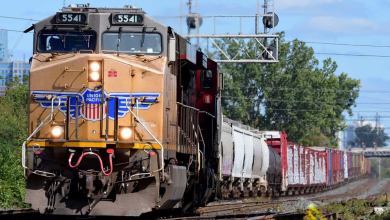
The board hopes the decisions will clarify the controversial practice for stakeholders.

The rule, effective on April 3, addresses concerns of shippers, particularly those involved in paper products, steel scrap and agricultural goods.
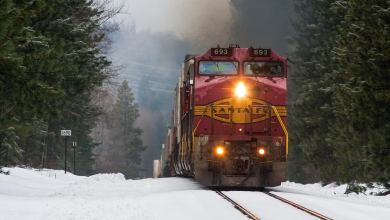
Improving rail volumes and service are among the crucial issues to look out for as the railroads reveal their 2020 guidance in the coming days.
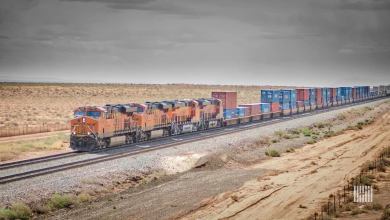
Stakeholders address the Surface Transportation Board, which is mulling over whether it should change the way it defines revenue adequacy.
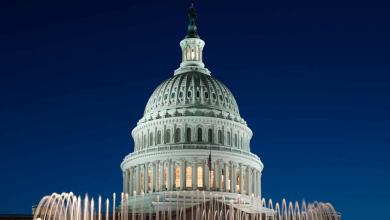
Although the U.S. Senate Commerce Committee has voted in favor of the nomination of an additional board member to the Surface Transportation Board (STB), whether and when she will be installed remains to be seen.
“The board has the authority to define reasonable practices. If you were in our shoes, what would you do?” said Surface Transportation Board vice chairman Patrick Fuchs to a panel representing BNSF, Canadian National and Canadian Pacific.
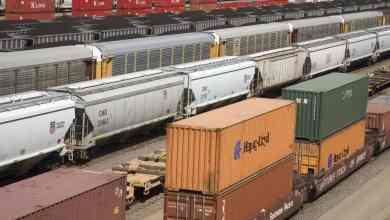
Regulators frustrated by carriers’ lack of candor in justifying service fees