Class I rail headcount plunges to new low in November
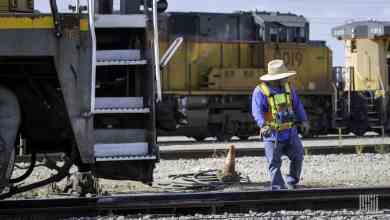
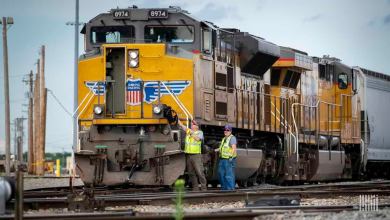
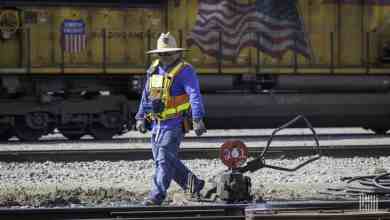
Total employment among the U.S. operations of the Class I railroads fell nearly 14% year-over-year amid the railroads’ continued deployment of precision scheduled railroading.
The Association of American Railroads recently laid out some issues that Amtrak, host railroads and the federal government must grapple with as they implement on-time performance metrics and standards for Amtrak.
October’s total employment level among the U.S. Class Is was the second lowest for 2020 as railroads implement PSR.
The Senate has confirmed the appointments of Robert Primus and Michelle Schultz.
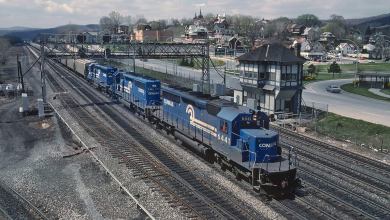
1998: The Surface Transportation Board has approved the division of Conrail between Norfolk Southern and CSX, which will be left in control of most railroad traffic in the eastern half of the United States.
A panel of economic experts weighs in on the future of the Surface Transportation Board and the rail industry itself.
Rail stakeholders debate the legacy of precision scheduled railroading and the common carrier obligation.
The rail equipment and technology provider is one of many companies that have laid off or furloughed employees because of the lower-volume environment exacerbated by the coronavirus pandemic.
Rail reform law faces backlash from pro-regulation forces; tragic mistake to reverse course, former DOT secretary says.
A rail shippers coalition continues efforts to ask the Surface Transportation Board to consider collecting first-mile and last-mile data.
GoRail sent a letter on the 40th anniversary of the Staggers Act telling the Surface Transportation Board not to make wholesale changes to rail regulation. The letter had over 1,000 signatures from local, state and federal officials and executives.
Brad Hildebrand discussed Cargill’s reliance on dependable rail service during FreightWaves Last Mile Logistics Summit.
Grain members of Surface Transportation Board advisory committee say the railroads have been supplying sufficient amounts of power and crews to meet service needs.
The independent federal rail agency is looking at the market factors determining exemption from board oversight. The board also separately declared five Class I railroads as being revenue adequate in 2019.
A bountiful harvest, anticipated surge in export volumes as well as wild card factors could test U.S. rail network capacity post-PSR.
Changes with significant impact on rail customers are taking place across New England.
The Class I railroads update agencies on service issues; shippers use the opportunity to ask for data collection on first-mile and last-mile movements.
The Board is modifying what data it collects from the waybill samples of the U.S. freight railroads.
The Surface Transportation Board and the Federal Railroad Administration administrator seek answers about Class I rail performance, while labor groups question furlough-related actions.
An increase in U.S. rail traffic pulled headcount higher in July.