Class I railroads, shippers alike weigh in on federal agencies’ feedback request
The Class I railroads update agencies on service issues; shippers use the opportunity to ask for data collection on first-mile and last-mile movements.
The Board is modifying what data it collects from the waybill samples of the U.S. freight railroads.
The Surface Transportation Board and the Federal Railroad Administration administrator seek answers about Class I rail performance, while labor groups question furlough-related actions.
An increase in U.S. rail traffic pulled headcount higher in July.
The rule outlines seven ways to determine whether a shipper is facing market dominance, or a situation in which shippers have limited rail shipping options. But the effectiveness of the new rule remains to be seen, some say.
The nominations of a Republican and Democrat to the Surface Transportation Board are pending before the U.S. Senate Commerce Committee.
The reduction in employee levels comes as the railroads deploy cost-cutting measures to match network capacity needs with market demand.
A new rule adopted by the Surface Transportation Board, effective July 20, calls for the Class I railroads to report when railcars designated for chemicals or plastics are held for longer than two days.
Actions by the Surface Transportation Board and the Transportation Safety Board of Canada show both agencies exploring whether there is a need to modify existing regulations.
Some shipping groups say the Board’s recent actions on demurrage and accessorial charges will help bring about more productive rail rate disputes.
The board hopes the decisions will clarify the controversial practice for stakeholders.
Total headcount falls to its lowest level amid continued declines in U.S. rail volumes.
The rule, effective on April 3, addresses concerns of shippers, particularly those involved in paper products, steel scrap and agricultural goods.
Slumping rail volumes and the Class I railroads’ operational efficiency efforts contribute to the headcount decline.
Employment levels at the U.S. operations of the Class I railroads hit their lowest point in years, according to data from the Surface Transportation Board.
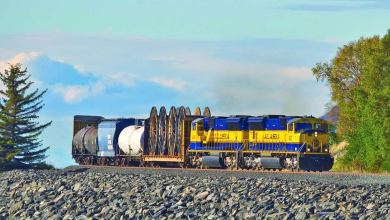
Darren Prokop explains why Positive Train Control – a positive safety measure for “Lower 48” railroads – doesn’t make sense for the Alaska Railroad.
Improving rail volumes and service are among the crucial issues to look out for as the railroads reveal their 2020 guidance in the coming days.
The U.S. operations of the Class I railroads continue to shed employees.
Proposal providing relief for shippers could be rolled out next year.
Stakeholders address the Surface Transportation Board, which is mulling over whether it should change the way it defines revenue adequacy.