




Joanna Marsh
Wednesday, January 15, 2020
Gauging rail’s key themes in 2020
Improving rail volumes and service are among the crucial issues to look out for as the railroads reveal their 2020 guidance in the coming days.
Improving rail volumes and service are among the crucial issues to look out for as the railroads reveal their 2020 guidance in the coming days.
The U.S. operations of the Class I railroads continue to shed employees.
Proposal providing relief for shippers could be rolled out next year.
Stakeholders address the Surface Transportation Board, which is mulling over whether it should change the way it defines revenue adequacy.

How the board calculates cost of capital is outdated. How much of an overhaul is needed?

The rail regulatory agency says the changes would help make the rate review process more accessible and transparent.
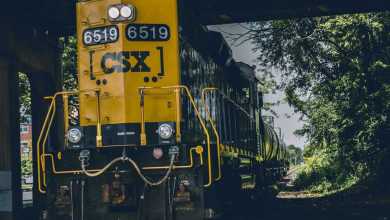
The regulatory agency for rail receives a flurry of feedback on rail rate reasonableness and demurrage and accessorial charges.

The number of employees working for the U.S. operations of the Class I railroads slumps to its lowest level in years.

The proposed actions address major rail shipper complaints voiced to the Board earlier this year.

The rulemakings address cost of capital calculations and rail performance data for chemicals and plastics traffic; shippers also press Board to act on fuel surcharges.
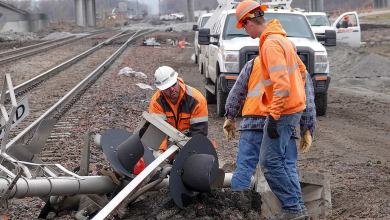
As precision scheduled railroading takes hold, headcount levels drop to their lowest in years.

The Surface Transportation Board has proposed two rules that could ease shippers’ burdens when contesting rail rates.
Three Class I U.S. rail operations earned enough returns on investment in 2018 to support their capital projects.
Headcount continues to fall at U.S. rail operations as the railroads implement precision scheduled railroading.
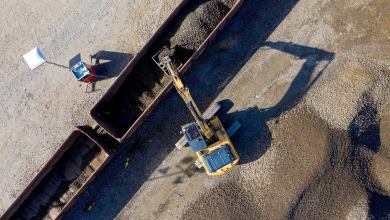
A federal appeals court denies a request by rail shippers to form a class lawsuit, and U.S. Senators press the Surface Transportation Board to take action.
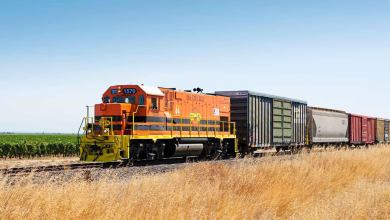
The U.S. Surface Transportation Board (STB) is seeking public comments on Brookfield Asset Management’s proposed acquisition of shortline operator Genesee & Wyoming. Broofield announced plans to acquire GWR earlier this month in a deal valued at $8.4 billion.
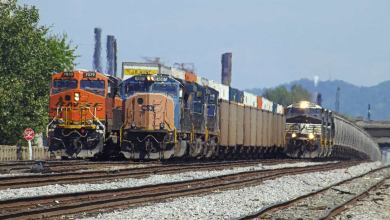
U.S. railroads had fewer employees on their payroll in June amid lower rail volumes overall and company decisions to trim workforce levels as part of changes to their operating models.

Norfolk Southern and Union Pacific are modifying some of the ways they collect demurrage and accessorial charges for some commodities, but some shippers are questioning the modifications.
Although the U.S. Senate Commerce Committee has voted in favor of the nomination of an additional board member to the Surface Transportation Board (STB), whether and when she will be installed remains to be seen.

The service problems associated with precision scheduled railroading (PSR) have motivated forest products and scrap recycling shippers to press the Surface Transportation Board to renew a longstanding request for regulatory oversight.