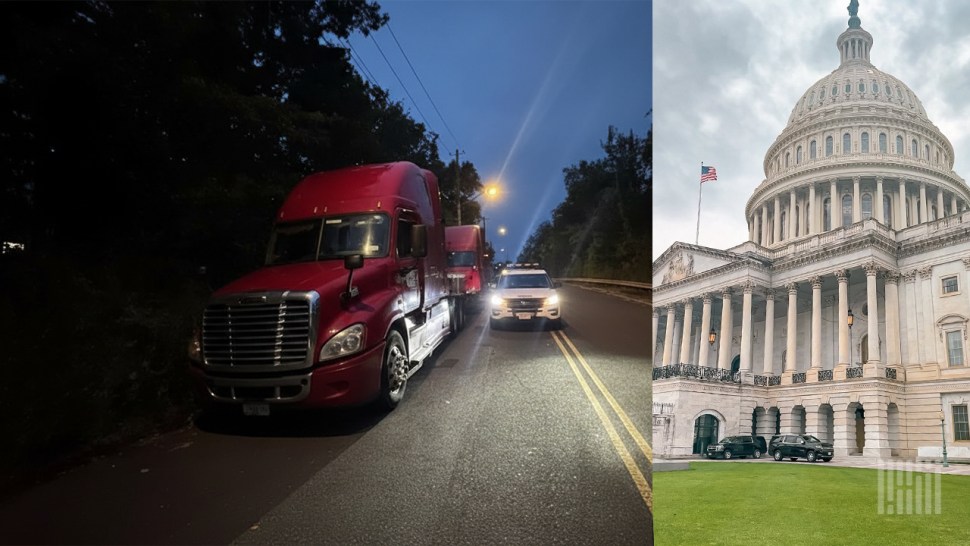
Arizona House Bill 2345, introduced on January 15th, would make it a Class 5 felony for an undocumented person to possess a fraudulent commercial driver’s license in the state. The headline is what happens next: law enforcement would be required, not permitted, required, to impound the commercial motor vehicle at the time of the stop.
If the truck is titled in the driver’s name, it’s forfeited and sold. If the truck is owned by a motor carrier that knowingly employed the driver, the carrier also loses the truck and faces a civil penalty equal to the vehicle’s fair market value. We’re talking about potential exposure of $300,000 or more per incident for carriers who don’t know who’s behind their wheels.
The bill cleared the House Judiciary Committee on January 28th in a 5-3 vote. It’s moving. It’s not alone.
The Legislative Shift
I’ve spent 25 years in this industry watching Congress ignore trucking until something terrible happens on the highway. That’s changing. The 119th Congress has more trucking-specific legislation in the pipeline than anything I’ve seen in two decades. Some of it is good. Some of it is dangerous. All of it matters.
I’ve been tracking 23 active bills and analyzing the positions of 538 members of Congress. I’m going to tell you exactly what you need to know, the arguments for, the arguments against, and where I stand, because your lobbyists aren’t going to explain this in plain English.
Let’s break it down.
The Bills We’re Focused On
These four bills address what I consider the most urgent threats to highway safety and carrier operations.
Connor’s Law (HR3608 / S2991)
Named for Connor Dzion, a young man killed by a CMV driver with a disqualifying medical condition, this legislation would require FMCSA to cross-reference the Drug and Alcohol Clearinghouse with state DMV records. Right now, a driver can fail a drug test in Texas, hop across the border to Oklahoma, and get a new CDL without anyone knowing. Connor’s Law closes that gap.
Rep. David Taylor (R-OH) is carrying the House version with 18 co-sponsors. Sen. Cynthia Lummis (R-WY) has the Senate companion.
The case for it: Supporters argue this is basic database integration that should have happened years ago. Families of crash victims have been the primary advocates, pointing to preventable deaths caused by drivers who should have been disqualified but slipped through jurisdictional cracks.
The case against it: Critics, primarily state DMV administrators, raise concerns about implementation costs, data privacy, and the integration timeline. Some argue that existing mechanisms are sufficient if properly enforced.
Where I stand: This is the kind of common-sense reform that shouldn’t be controversial. The implementation concerns are real but manageable. A kid is dead because our systems don’t talk to each other. Fix it.
Stop Aliens From Evading Driving Laws Act (HR5330)
Rep. Mary Miller (R-IL) has 23 co-sponsors on this one. The bill targets the same problem Arizona is attacking at the state level: undocumented individuals obtaining CDLs through fraudulent means. The difference is that this creates federal penalties and enforcement mechanisms.
The case for it: Proponents frame this as a highway safety issue, not an immigration issue. Drivers who obtained licenses fraudulently didn’t pass the tests, didn’t meet the medical standards, and pose a genuine risk behind the wheel of an 80,000-pound vehicle. Fraud networks, many of them Eastern European, have exploited gaps in our CDL issuance system.
The case against it: Opponents argue the bill conflates immigration enforcement with transportation safety, potentially creating racial profiling concerns during roadside inspections. Civil liberties groups have raised questions about due process for drivers accused of fraud. Some carriers worry about liability exposure for unknowing violations.
Where I stand: I’ve written extensively about chameleon carriers and the fraud networks that have exploited our CDL system. Whether you agree with the immigration policies or not, the safety implications are undeniable. If you didn’t legitimately earn that license, you don’t belong behind the wheel.
Trafficker Restrictions for Aviation, Federal Freight, and Interstate Carriers (S3109)
Sen. Marsha Blackburn (R-TN) introduced this legislation targeting human trafficking in commercial transportation. It’s got only one co-sponsor so far, but the subject matter is critical.
The case for it: Commercial vehicles are used in trafficking operations. This bill would create additional screening requirements and penalties for carriers involved in such activities. Anti-trafficking organizations have long advocated for stronger involvement by the transportation sector.
The case against it: Industry groups have raised concerns about the scope of ‘screening requirements’ and what compliance would actually look like in practice. Some worry about creating liability for carriers who unknowingly transport trafficking victims.
Where I stand: The intent is right. The devil will be in the regulatory details. I support the goal, but would like to see the final language on compliance requirements.
The Bills We Should Support
Guaranteeing Overtime For Truckers Act (S893 / HR1962)
Here’s one that might surprise you: Sen. Alex Padilla (D-CA) and Rep. Jefferson Van Drew (R-NJ) are both pushing legislation to end the motor carrier exemption from overtime pay. For those who don’t know, truck drivers are specifically exempt from overtime requirements under the Fair Labor Standards Act, a relic from 1938 when Congress apparently decided that the people keeping the economy moving didn’t deserve the same protections as everyone else.
The case for it: Drivers work brutal hours and deserve fair compensation. The exemption is an outdated carve-out that depresses wages across the industry and contributes to turnover. Paying drivers properly would attract and retain skilled professionals.
The case against it: Carrier associations argue this would dramatically increase operating costs, raise shipping prices, and fundamentally alter compensation structures that have evolved around mileage-based pay. Some warn it could accelerate automation investment.
Where I stand: This is bipartisan. That’s rare. The 1938 exemption made sense when trucking was a different industry. It doesn’t anymore. Pay attention to this one.
Diesel Truck Liberation Act (S3007) & Cold Weather Diesel Reliability Act (S3135)
Sen. Lummis and Sen. Dan Sullivan (R-AK) are tackling diesel regulations from different angles. Lummis wants to roll back restrictions that she argues are killing the diesel industry without providing viable alternatives. Sullivan’s bill addresses cold-weather performance requirements that affect carriers operating in northern climates.
The case for them: Current regulations mandate technology transitions that the market isn’t ready to support. Small carriers can’t afford the compliance costs. Electric and alternative-fuel infrastructure doesn’t exist for long-haul operations. These bills provide breathing room for realistic implementation.
The case against them: Environmental groups argue these bills would set back emissions progress and lock in fossil fuel dependence. Some large carriers that have already invested in cleaner fleets oppose rollbacks that would benefit competitors who delayed compliance.
Where I stand: I’m not opposed to cleaner trucks. I am opposed to regulations that pretend the technology exists when it doesn’t, and that force small carriers to choose between compliance and bankruptcy. These bills attempt to inject some reality into the conversation.
SAFE Drivers Act (HR5800) & DRIVE SAFE Act (HR5563)
Rep. Pat Harrigan (R-NC) has 26 co-sponsors on the SAFE Drivers Act. Rep. Rick Crawford (R-AR) has 25 on DRIVE SAFE. Both bills aim to allow drivers under 21 to operate in interstate commerce under certain conditions, including apprenticeship programs, additional training requirements, and technology mandates.
The case for them: An 18-year-old can drive a CMV within state lines but can’t cross into the next state. That arbitrary line costs the industry access to younger workers entering the trade. Military veterans under 21 are authorized to drive heavy vehicles in combat zones but are not permitted to haul freight domestically. With proper training and supervision, younger drivers can operate safely.
The case against them: Safety advocates point to crash data showing drivers under 21 have higher accident rates. Insurance companies are wary, which could create coverage gaps. Some argue the push for younger drivers is really about depressing wages rather than addressing workforce needs.
Where I stand: The safety data is genuinely mixed. I’m not convinced either way, but I’ll say this: we don’t have a driver shortage; we have a shortage of skilled drivers. If these bills include rigorous training and mentorship requirements, they might help. If they’re just about putting warm bodies in seats, they’ll make things worse. My argument stands that we should have a military program that trains drivers, but hey, I’m just a guy. You can read more about my thoughts on this here.
Predatory Truck Leasing Prevention Act (HR5423)
Rep. Julia Brownley (D-CA) is taking aim at lease-purchase schemes that trap drivers in debt spirals.
The case for it: Some carriers use lease-purchase arrangements to essentially create indentured servitude. Drivers sign leases they don’t understand, work for months, and end up owing money to the company. This bill would require clearer disclosures and impose limits on certain lease terms.
The case against it: Carrier associations argue legitimate lease-purchase programs provide paths to ownership that drivers couldn’t otherwise access. They warn that over-regulation could eliminate these opportunities entirely.
Where I stand: If you’ve followed my investigative work, you know where I land on this. Legitimate lease-purchase programs exist, but I’ve never seen a successful one, so predatory ones do too. This bill targets the predatory ones. It has only one co-sponsor, but it deserves more.
The Absolutely Not Bills
These bills would harm drivers, compromise safety, or create unworkable regulatory burdens. That’s my assessment, here’s the evidence.
Drug and Alcohol Clearinghouse Public Safety Improvement Act (HR4320)
This one’s interesting because it comes from Rep. Rick Crawford, the same guy sponsoring the DRIVE SAFE Act. The Clearinghouse bill would make changes to how drug and alcohol violations are reported and assessed.
The case for it: Supporters argue the current Clearinghouse system creates barriers to re-entry for drivers who have completed return-to-duty programs. They say some provisions are punitive rather than rehabilitative and that modifications would help address workforce needs while maintaining safety.
The case against it: Critics argue these changes would weaken a system that has kept thousands of impaired drivers off the road. The Clearinghouse, for all its flaws, is finally working. Creating exceptions and workarounds invites abuse.
Where I stand: I need to see the final language before I weigh in definitively, but I share the concern. Anything that creates loopholes in the Clearinghouse needs heavy scrutiny. The ‘workforce needs’ argument sounds a lot like ‘let’s make it easier to put questionable drivers back on the road.’ Basically, “Driver Shortage narrative 2.0.
Non-Domicile CDL Integrity Act (HR5688)
Rep. David Rouzer (R-NC) has 36 co-sponsors, the most of any bill I’m flagging as problematic, on legislation that would change how non-domicile CDLs are issued and verified.
The case for it: Sponsors argue the bill provides clarity for drivers who legitimately work across multiple states and addresses administrative inconsistencies in how non-domicile licenses are handled.
The case against it: Despite its name, this bill could actually make fraud easier by creating new categories and exceptions that bad actors will exploit. The more complexity in the system, the more opportunities for manipulation.
Where I stand: When a bill has ‘Integrity’ in the title, read the fine print. This one doesn’t pass the smell test.
LICENSE Act (S191 / HR623)
The Licensing Individual Commercial Exam-takers Now Safely and Efficiently Act is sponsored by Sen. Lummis and Rep. Darin LaHood (R-IL).
The case for it: Proponents say third-party testing expands access to CDL exams, reduces wait times at state DMVs, and provides flexibility for driver training programs. They argue proper oversight can prevent abuse.
The case against it: Critics point to documented fraud in third-party CDL testing, examiners passing unqualified drivers, testing mills churning out licenses, and inadequate state oversight of private testing operations.
Where I stand: If you’ve followed my ’30 Days of Why’ series, you know I’ve documented extensive fraud in third-party CDL testing. Some provisions in the LICENSE Act could potentially expand third-party testing in ways that make enforcement more difficult. That’s a red flag. The safety-focused name doesn’t match the likely outcomes.
Who’s Actually Fighting For You
Based on bill sponsorship and co-sponsorship activity, here are the members of Congress most engaged on trucking issues:
Rep. Byron Donalds (R-FL): Introduced the Weigh Station Enforcement to Intercept and Guard Highways Act and has co-sponsored multiple safety bills. Four separate trucking-related activities this Congress.
Sen. Cynthia Lummis (R-WY): Carries Connor’s Law in the Senate, active on diesel regulations. Four activities, though I disagree with her LICENSE Act sponsorship.
Rep. Jefferson Van Drew (R-NJ): Pushing both the overtime legislation and the No CDLs for Illegals Act. Three activities spanning both safety and compensation issues.
Rep. Mary E. Miller (R-IL): Her Stop Aliens From Evading Driving Laws Act has significant co-sponsor support, with 23 members signed on.
Rep. Beth Van Duyne (R-TX): Introduced the Protecting America’s Roads Act. Three separate trucking-related activities.
Notice something? It’s overwhelmingly Republican. The most active Democrats on trucking legislation are Sen. Alex Padilla (D-CA) on overtime, Rep. Patrick Ryan (D-NY) on supply chain issues, and Rep. Julia Brownley (D-CA) on leasing reform. That’s not a political statement; it’s a count of who’s introducing and co-sponsoring bills. If Democrats want to show up for trucking, they need to file more legislation.
The 438 Members With No Real Trucking Activity
Trucking moves 72% of the nation’s freight by weight. We employ 3.5 million drivers. We’re one of the few remaining middle-class careers that don’t require a four-year degree. And 81% of Congress can’t be bothered to engage with any trucking legislation.
That’s the real story here. Not who’s most active, but who’s not showing up at all.
What This Means For Carriers
The Arizona bill I opened with isn’t just a local story. It’s the template. States are tired of waiting for federal action on CDL fraud, and they’re taking matters into their own hands. If you’re a carrier operating in Arizona, or planning to, you need to start asking hard questions about your driver verification processes right now.
More broadly, the legislative landscape is shifting toward accountability. Connor’s Law will pass eventually. The Clearinghouse is getting teeth. Third-party testing is under scrutiny. The era of ‘I didn’t know’ as a defense for hiring unqualified drivers is ending.
My advice: get ahead of it. Build a compliance program that exceeds current requirements. Verify CDLs against the Clearinghouse before every hire. Document everything. Because when these bills become law,and they will,the carriers who were already doing it right will thrive, and the ones who were cutting corners will face consequences they never imagined.
What’s Next
I’ve been doing this for 25 years. I’ve watched the industry change from paper logs to ELDs, from CB radios to satellite tracking, from handshake deals to compliance programs that require dedicated staff. What I’m seeing now in the legislative pipeline is the next evolution, and it’s happening faster than most carriers realize.
Know your representatives. Check their voting records. Call their offices. I’ve provided my analysis and positions, but this is a starting point, not the final word. Some of these bills I support fully. Others, I have reservations about. Make your own calls.
That Arizona bill? It passed committee while most of the industry was asleep. Don’t let the next one catch you the same way.
Brokerage Compliance Symposium
The day before F3. Every compliance issue you face - fraud exposure, carrier liability, FMCSA rules, cargo theft, insurance gaps - navigated by attorneys and operators defining best practices in a changing industry.
F3 Awards Dinner
The night before F3. FreightTech100 companies honored. FreightTech 25 and Shipper of Choice winners revealed live. Cocktail reception into dinner and live music - 300 industry leaders in one purpose-built room.
F3: Future of Freight Festival
Industry-defining keynotes, rapid-fire technology demos, and industry leaders networking in experiences across Chattanooga - plus the inaugural F3 Awards Dinner featuring the FreightTech and Shipper of Choice reveals.
The day before F3. Every compliance issue you face - fraud exposure, carrier liability, FMCSA rules, cargo theft, insurance gaps - navigated by attorneys and operators defining best practices in a changing industry.
The Signal at Chattanooga Choo Choo • Chattanooga, TN Register NowThe night before F3. FreightTech100 companies honored. FreightTech 25 and Shipper of Choice winners revealed live. Cocktail reception into dinner and live music - 300 industry leaders in one purpose-built room.
The Signal at Chattanooga Choo Choo • Chattanooga, TN Register NowIndustry-defining keynotes, rapid-fire technology demos, and industry leaders networking in experiences across Chattanooga - plus the inaugural F3 Awards Dinner featuring the FreightTech and Shipper of Choice reveals.
The Signal at Chattanooga Choo Choo • Chattanooga, TN Register Now