




The Commerce Department this week released a report that outlines a strategic plan for how the U.S. could reduce its dependence on foreign supplies of “critical minerals.”
These minerals, including uranium, titanium and other rare earth metals, are used in numerous high-tech products, such as military equipment, smartphones, aircraft, computers, GPS navigation systems, wind turbines, energy, lighting and batteries. As many as 35 minerals have been identified by the federal government as critical to the U.S. economy and national security.
In the 50-page report, titled A Federal Strategy to Ensure Secure and Reliable Supplies of Critical Minerals, Commerce determined that imports now account for more than 50% of 31 minerals and the U.S. is now 100% reliant on imports from other countries for 14.
“Addressing vulnerabilities in the critical minerals supply chain through an increase in domestic exploration, production, recycling, reprocessing, industry incentives and research and development (R&D) investments would help reduce our nation’s reliance on imports, preserve our leadership in technological innovation, support job creation and improve our national security and balance of trade,” the report said.
The Commerce strategy report was initiated in response to President Donald Trump’s Dec. 20, 2017, Executive Order 13817, which seeks to reduce the country’s reliance on foreign sources of critical minerals and on foreign supply chains.
While the report focuses mostly on ways to boost domestic production, it recommends accessing and developing critical mineral sources through investment and trade with countries friendly to the U.S.
In recent years, China has imposed export controls on certain rare earth metals. Today, Canada and Mexico supply all or part of U.S. consumption for many critical minerals, according to Commerce.
“U.S. access to critical mineral resources abroad and the viability of industries producing these minerals in the United States can be negatively impacted by trade and investment restrictions and by foreign conduct that distorts markets through various forms of unlawful or otherwise unfair competition,” the report warned.
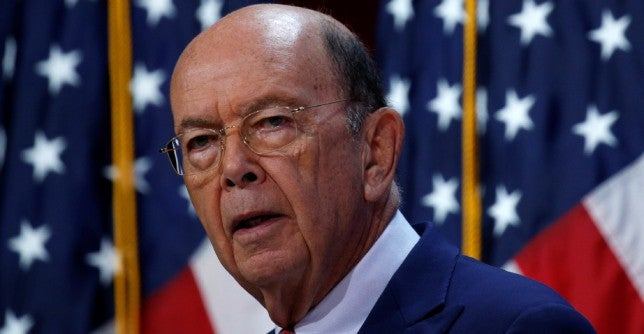
“Through the recommendations detailed in this report, the federal government will take unprecedented action to ensure that the United States will not be cut off from these vital materials,” said Commerce Secretary Wilbur Ross in a statement.
Brokerage Compliance Symposium
The day before F3. Every compliance issue you face - fraud exposure, carrier liability, FMCSA rules, cargo theft, insurance gaps - navigated by attorneys and operators defining best practices in a changing industry.
F3 Awards Dinner
The night before F3. FreightTech100 companies honored. FreightTech 25 and Shipper of Choice winners revealed live. Cocktail reception into dinner and live music - 300 industry leaders in one purpose-built room.
F3: Future of Freight Festival
Industry-defining keynotes, rapid-fire technology demos, and industry leaders networking in experiences across Chattanooga - plus the inaugural F3 Awards Dinner featuring the FreightTech and Shipper of Choice reveals.
The day before F3. Every compliance issue you face - fraud exposure, carrier liability, FMCSA rules, cargo theft, insurance gaps - navigated by attorneys and operators defining best practices in a changing industry.
The Signal at Chattanooga Choo Choo • Chattanooga, TN Register NowThe night before F3. FreightTech100 companies honored. FreightTech 25 and Shipper of Choice winners revealed live. Cocktail reception into dinner and live music - 300 industry leaders in one purpose-built room.
The Signal at Chattanooga Choo Choo • Chattanooga, TN Register NowIndustry-defining keynotes, rapid-fire technology demos, and industry leaders networking in experiences across Chattanooga - plus the inaugural F3 Awards Dinner featuring the FreightTech and Shipper of Choice reveals.
The Signal at Chattanooga Choo Choo • Chattanooga, TN Register Now