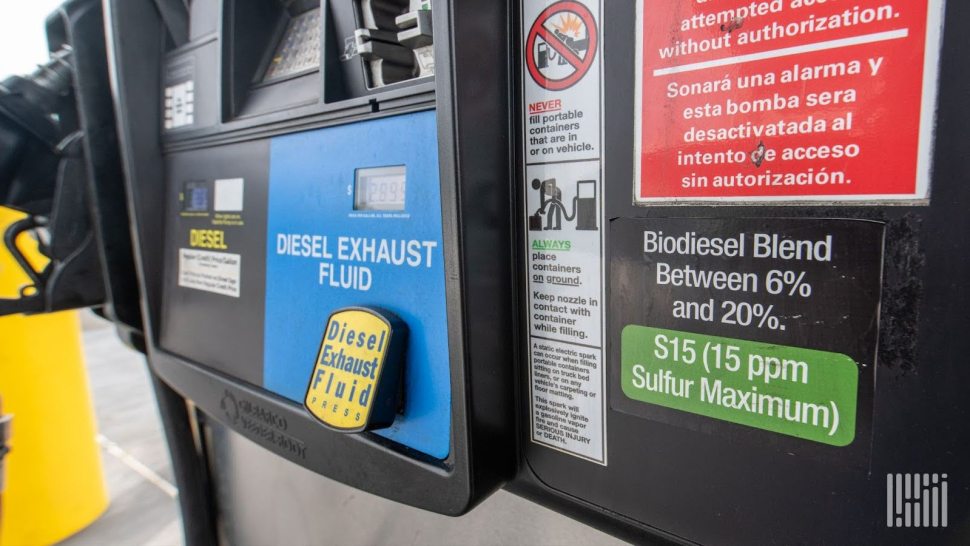
If you’ve been behind the wheel long enough, you’ve probably got your own DEF horror story. Maybe it was a sensor going out halfway up a mountain grade, forcing you into limp mode at 5 mph while traffic backed up behind you. Maybe it was a clogged DPF that threw you into a forced regen right when you needed to make a delivery. Or maybe it was the endless “check engine” lights that have you wondering if your truck’s more interested in throwing tantrums than hauling freight.
And now, here comes the EPA with a shiny new “DEF fix” announcement, rolled out with the cameras rolling at the Iowa State Fair. They’re pitching it as a game-changer—something that will “reduce downtime, improve reliability, and keep trucks moving.”
Sounds great. But if you’ve been out here dealing with DPF and DEF systems in the real world, you’ve learned one thing: the promises don’t always line up with the pavement.
Let’s talk about what this fix actually is, why it’s even needed, and what it might really mean for you.
The Short Version of the DEF Fix
The EPA’s administrator stood in front of the cameras and announced they’ve approved a streamlined process to address faulty DEF-related sensors—specifically NOx sensors—that have been sidelining trucks unnecessarily.
The change allows fleets and owner-operators to use an approved software update and bypass certain limp-mode scenarios caused by faulty DEF sensors. In plain English: if the problem is just the sensor—not the actual emissions system—you might be able to keep rolling instead of getting parked until a dealer swaps it out.
The EPA says this is about cutting downtime, reducing unnecessary tows, and keeping freight moving without compromising emissions compliance.
On paper, that’s a good thing. In practice, well… there’s more to the story.
Why DEF and DPF Drive Truckers Crazy
Let’s dig in.. Since 2010, when EPA emissions rules kicked into high gear, the DEF/DPF combo has been a thorn in the side of truckers everywhere.
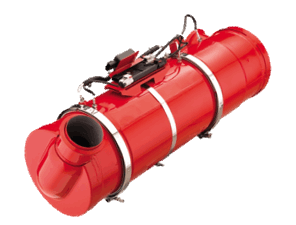
The DPF (Diesel Particulate Filter) traps soot from the exhaust, then periodically burns it off in a process called regeneration. Sounds simple enough—until you’ve been stuck waiting for a regen cycle to finish, burning hours you’ll never get back.
The DEF (Diesel Exhaust Fluid) is injected into the SCR (Selective Catalytic Reduction) system to reduce NOx emissions. It’s stored in its own tank, and it’s supposed to help keep you compliant and clean-burning. But when the sensors go bad, the EPA’s old rules forced trucks into derate mode to “protect the environment”—even if the truck was otherwise running fine.
Truckers aren’t against clean air. They’re against systems that leave them stranded on the side of the road for problems that could wait until the next service stop.
What Actually Fails in the Real World
If you’ve been out here any length of time, you’ve seen it all. Here’s what really kills your productivity with these systems:
- Sensor Failures – NOx sensors, DEF quality sensors, and temp sensors are notorious for going bad. A Reddit thread that went viral had drivers swapping stories about spending hours on the side of the road for a simple sensor replacement that could have been fixed later.
- Clogged DPF Filters – According to International Used Trucks, soot buildup is the number one DPF killer. Short trips, too much idling, and bad fuel can plug them faster than the regen can burn them off.
- Bad DEF or Contamination – FuelOx points out that DEF contaminated with dirt, metal shavings, or even too much water can wreck the SCR system. The quality sensors don’t care why—it just throws a fault code and you’re parked.
- Forced Regens at the Worst Time – There’s nothing like your truck deciding now is the time for a regen when you’re under a hot load and the receiver’s already threatening detention.
Each of these issues costs you money twice: once for the repair and once for the time you’re not moving.
Why the EPA Fix Might Actually Help
Here’s where I’ll give credit where it’s due. This new DEF fix addresses one of the biggest driver complaints—being sidelined by bad sensors that don’t actually affect emissions performance in the moment.
Instead of forcing you into limp mode and making you call a tow truck, the updated software could allow you to keep rolling to your next service stop. That means fewer expensive roadside calls, fewer missed deliveries, and fewer loads you have to turn down because your truck’s derated.
The EPA is saying this is a “win-win”—you stay compliant, and you keep working.
But here’s the part that’s missing from the press release: this doesn’t solve the root cause of DEF/DPF headaches. It’s not a permanent fix for all the system’s weak points. It’s just a way to keep a bad sensor from wrecking your week.
Why Many Truckers Aren’t Celebrating
Talk to drivers at any truck stop counter, and you’ll hear the same thing:
“These systems have cost me more downtime than any engine failure I’ve ever had.”
The truth is, this fix doesn’t make the sensors more reliable. It doesn’t make DEF less prone to contamination. It doesn’t make DPF regens more predictable.
For many, it feels like a PR move—especially since the timing lines up with political pressure and industry complaints about record downtime. And while the bypass option is nice, it still requires that you have the updated software and meet the exact conditions to qualify for it.
If you’re running an older truck without the update, or if your problem isn’t one of the approved “bypass” scenarios, you’re still parked.
How to Protect Yourself (and Your Uptime)
Even with the new DEF fix, you can save yourself a lot of headaches by taking a few proactive steps:
- Stay Ahead on Maintenance – Clean or replace your DPF filter on schedule. A plugged filter stresses the whole system. DO NOT WAIT UNTIL THE CHECK ENGINE LIGHT COMES ON!
- Buy DEF From Reputable Sources – Contaminated DEF is a silent killer. Always check seals, keep the cap tight, and avoid open containers.
- Watch for Early Warning Signs – Sluggish regens, increased fuel consumption, and more frequent fault codes can signal trouble before you’re sidelined.
- Know Your Dealer’s Hours and Lead Times – If you can plan a sensor replacement before it fails completely, you’ll save yourself both downtime and towing costs.
Reading Between the Lines
So is this DEF fix a step forward? Sure. But it’s a small step.
The real takeaway here is that the system we’ve been handed is here to stay—at least for now. And that means your best bet is to understand it better than the folks who designed it.
If you know what’s likely to fail, what the warning signs are, and how to work the new EPA bypass process to your advantage, you’ll spend more time on the road and less time on the shoulder waiting for a service truck.
Final Word
I’ll put it this way—this new DEF fix is like giving you a spare key to your own truck. It’s not going to stop the door from jamming in the first place, but it might save you from breaking the window just to get moving again.
The fight over DPF and DEF isn’t going anywhere. Some see them as necessary for clean air, others as overcomplicated technology that takes food off drivers’ tables. The truth? Both can be right. We all want cleaner air, but we also need systems that work in the real world—on I-80 in a snowstorm, not just in a lab.
So yes, take the win where you can. Get the update, know how to use it, and keep your maintenance sharp. But don’t mistake this for the cavalry riding in to fix everything. Out here, the best defense is still a driver who’s paying attention, knows his truck, and can see a problem coming before it costs him a week’s worth of loads.
Brokerage Compliance Symposium
The day before F3. Every compliance issue you face - fraud exposure, carrier liability, FMCSA rules, cargo theft, insurance gaps - navigated by attorneys and operators defining best practices in a changing industry.
F3 Awards Dinner
The night before F3. FreightTech100 companies honored. FreightTech 25 and Shipper of Choice winners revealed live. Cocktail reception into dinner and live music - 300 industry leaders in one purpose-built room.
F3: Future of Freight Festival
Industry-defining keynotes, rapid-fire technology demos, and industry leaders networking in experiences across Chattanooga - plus the inaugural F3 Awards Dinner featuring the FreightTech and Shipper of Choice reveals.
The day before F3. Every compliance issue you face - fraud exposure, carrier liability, FMCSA rules, cargo theft, insurance gaps - navigated by attorneys and operators defining best practices in a changing industry.
The Signal at Chattanooga Choo Choo • Chattanooga, TN Register NowThe night before F3. FreightTech100 companies honored. FreightTech 25 and Shipper of Choice winners revealed live. Cocktail reception into dinner and live music - 300 industry leaders in one purpose-built room.
The Signal at Chattanooga Choo Choo • Chattanooga, TN Register NowIndustry-defining keynotes, rapid-fire technology demos, and industry leaders networking in experiences across Chattanooga - plus the inaugural F3 Awards Dinner featuring the FreightTech and Shipper of Choice reveals.
The Signal at Chattanooga Choo Choo • Chattanooga, TN Register Now