




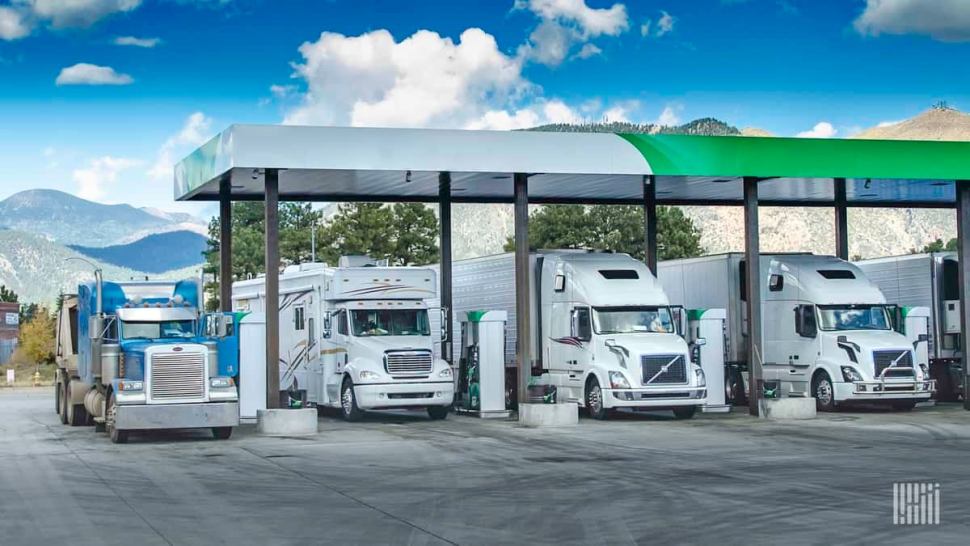
An initiative in the U.S. Northeast designed in part to drive reduced carbon emissions in the transportation sector has met opposition from the retail fuels industry.
Massachusetts, Connecticut, Rhode Island and the District of Columbia were the first governmental bodies to sign on to the Transportation Climate Initiative Program (TCI-P) earlier this month. That was followed by a joint statement of opposition from NATSO, the National Association of Convenience Stores and the Society of Independent Gasoline Marketers of America.
Among several goals outlined in the memorandum of understanding, the TCI-P wants to reduce CO2 emissions in the transportation sector, improve air quality and public health, provide more affordable access to clean transportation and advance equity for communities underserved by the transportation system and overburdened by air pollution.
Transportation is responsible for nearly 40% of greenhouse gas emissions (GHG) in the Northeast and mid-Atlantic, according to a release. It said the TCI-P will cut GHG pollution from motor vehicles by an estimated 26% in the region between 2022 and 2032. This would generate over $3 billion in 10 years for participating jurisdictions to help relieve equity issues and promote economic recovery.
Massachusetts Gov. Charlie Baker said in a release that he was proud to join fellow officials to “launch this trailblazing program to reduce greenhouse gas emissions while building the clean, resilient transportation system of the future.”
The three trade groups representing the retail fuels industry urged Northeast states not to sign on to the TCI-P.
The opponents argue that the TCI-P will not result in meaningful environmental benefits. The program will cause higher transportation costs, which would hurt low-income communities the most, they said.
“We know what types of policies result in greater consumption of alternative fuels and what types of policies do not. The TCI Program, as currently constructed, will not work,” the three trade groups wrote in a joint statement. They did not mention programs that would encourage the adoption of alternative fuels more effectively than the TCI-P in the statement.
In a letter to TCI-P Chair Kathleen Theoharides, the groups said that the program would amplify the economic hardships caused by the COVID-19 pandemic because consumers would have to pay more for fuel. They also wrote that the TCI-P would disproportionately tax low-income Americans because they put a larger portion of their income toward energy needs.
NATSO has been representing America’s travel plazas and truckstops for over 50 years. NATSO and the other groups said the retail fuels industry has been active in advocating for clean fuel policies, but it does not support the TCI-P.
The memorandum of understanding signed by the four signatories specifies how the TCI-P plans to address equity in the following ways:
- A minimum of 35% of proceeds from the auction of allowances will go to overburdened and underserved communities to make sure that communities benefit equitably from the clean transportation projects and programs.
- Each signatory jurisdiction committed to establishing and supporting an equity advisory body composed of stakeholders from diverse groups of people. A majority of the members will be representatives of overburdened and underserved communities.
- The equity advisory bodies will be responsible for providing recommendations for investments and policies that will benefit overburdened and underserved communities while defining those communities and creating measurable metrics to evaluate the effectiveness of investments and programs meant to benefit those communities.
During a webinar hosted in September, experts spoke about the TCI-P and the importance of equity and environmental justice. Several representatives said the TCI is actively seeking input from communities with diverse backgrounds. Vernice Miller-Travis, executive vice president for environment and sustainability at Metropolitan Group, said she supports the equity work of the TCI-P and looks forward to continued collaboration between communities and legislators.
“If we want to make change, we can, but we have to do it together,” Miller-Travis said in reference to providing underserved communities with better access to clean, affordable transportation.
The following states committed to continued collaboration and investments in cleaner transportation and efforts to equitably reduce air pollution and reduce emissions: Connecticut, Delaware, Maryland, Massachusetts, New Jersey, New York, North Carolina, Pennsylvania, Rhode Island, Vermont and Virginia and the District of Columbia.
Click here for more FreightWaves articles by Alyssa Sporrer.
Related Stories:
NATSO wants to short-circuit electric charging at rest areas
8 questions on truck stop issues with NATSO CEO Lisa Mullings
European Commission calls for conversion to zero-emission vehicles by 2050
Brokerage Compliance Symposium
The day before F3. Every compliance issue you face - fraud exposure, carrier liability, FMCSA rules, cargo theft, insurance gaps - navigated by attorneys and operators defining best practices in a changing industry.
F3 Awards Dinner
The night before F3. FreightTech100 companies honored. FreightTech 25 and Shipper of Choice winners revealed live. Cocktail reception into dinner and live music - 300 industry leaders in one purpose-built room.
F3: Future of Freight Festival
Industry-defining keynotes, rapid-fire technology demos, and industry leaders networking in experiences across Chattanooga - plus the inaugural F3 Awards Dinner featuring the FreightTech and Shipper of Choice reveals.
The day before F3. Every compliance issue you face - fraud exposure, carrier liability, FMCSA rules, cargo theft, insurance gaps - navigated by attorneys and operators defining best practices in a changing industry.
The Signal at Chattanooga Choo Choo • Chattanooga, TN Register NowThe night before F3. FreightTech100 companies honored. FreightTech 25 and Shipper of Choice winners revealed live. Cocktail reception into dinner and live music - 300 industry leaders in one purpose-built room.
The Signal at Chattanooga Choo Choo • Chattanooga, TN Register NowIndustry-defining keynotes, rapid-fire technology demos, and industry leaders networking in experiences across Chattanooga - plus the inaugural F3 Awards Dinner featuring the FreightTech and Shipper of Choice reveals.
The Signal at Chattanooga Choo Choo • Chattanooga, TN Register Now