




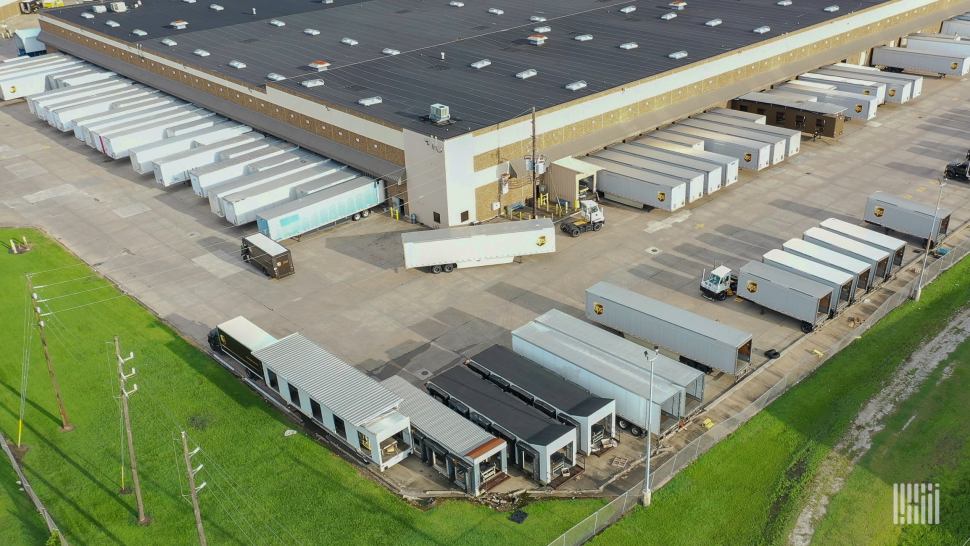
Different shipping lanes, modes and logistics sites contribute to varying amounts of greenhouse gas emissions, making it difficult to track emissions as goods travel along the entire supply chain.
As many supply chain and sustainability experts say, companies need to measure emissions before they can make significant emissions-reduction progress.
The Smart Freight Centre (SFC) noticed that there were several regional or transportation mode-based emissions frameworks, so it combined the available data and the most ambitious methodologies to create one global framework that companies could use for their entire supply chain, no matter which regions or modes it used to transport goods.
The Global Logistics Emissions Council (GLEC) is a partnership steered by the Amsterdam-based SFC. More than 100 multinational shippers use the GLEC Framework, including partners such as A.P. Møller – Maersk, UPS, the International Air Transport Association, Deutsche Post DHL Group and BNSF Railway.
“[The GLEC Framework is] the only globally harmonized methodology for greenhouse gas reporting across multimodal supply chains. … It is the one-stop-shop solution to calculate your logistics and transport-related emissions globally,” Moritz Tölke, technical manager at the SFC, told FreightWaves.
Gaining valuable insights and tracking progress
Tölke said GLEC’s goal was to make the framework “actionable and accessible” for companies throughout the supply chain. Once the emissions accounting and measurement process is easy to understand and implement, that makes it much easier for companies to reduce emissions and measure that reduction.
Two of the key metrics the SFC uses to measure progress are absolute emissions and emissions intensity. Tölke said that absolute emissions need to decrease to meet the Paris Agreement goals and prevent the worst impacts of climate change. But emissions intensity is a metric that is often overlooked or undervalued. Emissions intensity is the amount of GHG emissions relative to the amount of a specific activity, such as moving goods one ton-mile.
“Supply chains are about trade-offs. Every day, shippers decide between suppliers, origins, modes of shipment, inventory volumes, service levels and costs. As we see the continued rise of emission reduction targets among shippers, how are their supply chain teams going to incorporate useful metrics and translate them into actionable insights? That is the primary value of emissions intensity measuring. It levels the playing field between shippers and carriers of all sizes by benchmarking emissions to a standardized value,” said Tyler Cole, director of carbon intelligence at FreightWaves.
If a company’s absolute emissions increase because it is moving more freight, but its emissions intensity is going down because it is getting more efficient, that company is still making progress in the right direction, Tölke said.
Using emissions intensity allows companies to compare how many emissions would be associated with a shipment from one carrier to another, giving them the chance to make the most environmentally sustainable choice possible.
“When done correctly, this is probably the best metric you can choose because absolute figures are always dependent on transport activity. But if you have an intensity, you as a shipper, as a freight buyer, can make a very educated decision based on that,” Tölke said.
But, he stressed, this only works if companies are measuring their emissions in the same way.
Companies using industry averages to calculate supply chain emissions are going to have much less accurate emissions data than companies using primary data from their supply chains, including actual fuel consumption during transport and actual energy consumed during operations, according to Tölke. He noted that using industry values doesn’t allow companies to track their progress.
The default values are a good place to start if companies can’t get access to primary emissions data right away, but Tölke encouraged companies not to stop and settle there, saying, “Please continue to get better data.”
He continued, “Our goal with a final mission is not that everybody calculates [emissions] with the GLEC Framework, but our mission is to go towards zero emissions freight in the future and really get companies to reduce their emissions and reach net zero.”
Read: Will sustainability fall to the wayside this peak season?
COVID-19 impacts on climate action
While priorities may have temporarily shifted to capacity and other supply chain issues, Tölke said he doesn’t think the pandemic has negatively impacted environmental sustainability efforts.
“COVID highlighted the importance of supply chain in general and logistics. It’s not just a nice thing to have in the background, but it’s essential to everyday life. And it highlighted the necessity to have solid and secure supply chains in that sense — also in an environmental sense,” Tölke said.
Tölke reported seeing a constant rise in interest and adoption for the GLEC Framework since it was released in 2016, especially in the past 12 months. The SFC launched a sustainable logistics roadmap training last year, which is designed to provide strategies that shippers and logistics providers can take to reduce emissions.
“The sooner we can promulgate accurate, intelligible carbon data from logistics service providers throughout the value chain, the sooner we can start making real progress in reducing emissions,” Cole said.
Click here for more FreightWaves articles by Alyssa Sporrer.
Related Stories:
How is the Science Based Targets initiative impacting the freight industry?
Call to action: Governments’ commitment vital to decarbonize shipping by 2050
Shell shifts sustainable fuels focus to aviation sector
Maersk throws its weight behind unicorn electrofuels company
Brokerage Compliance Symposium
The day before F3. Every compliance issue you face - fraud exposure, carrier liability, FMCSA rules, cargo theft, insurance gaps - navigated by attorneys and operators defining best practices in a changing industry.
F3 Awards Dinner
The night before F3. FreightTech100 companies honored. FreightTech 25 and Shipper of Choice winners revealed live. Cocktail reception into dinner and live music - 300 industry leaders in one purpose-built room.
F3: Future of Freight Festival
Industry-defining keynotes, rapid-fire technology demos, and industry leaders networking in experiences across Chattanooga - plus the inaugural F3 Awards Dinner featuring the FreightTech and Shipper of Choice reveals.
The day before F3. Every compliance issue you face - fraud exposure, carrier liability, FMCSA rules, cargo theft, insurance gaps - navigated by attorneys and operators defining best practices in a changing industry.
The Signal at Chattanooga Choo Choo • Chattanooga, TN Register NowThe night before F3. FreightTech100 companies honored. FreightTech 25 and Shipper of Choice winners revealed live. Cocktail reception into dinner and live music - 300 industry leaders in one purpose-built room.
The Signal at Chattanooga Choo Choo • Chattanooga, TN Register NowIndustry-defining keynotes, rapid-fire technology demos, and industry leaders networking in experiences across Chattanooga - plus the inaugural F3 Awards Dinner featuring the FreightTech and Shipper of Choice reveals.
The Signal at Chattanooga Choo Choo • Chattanooga, TN Register Now