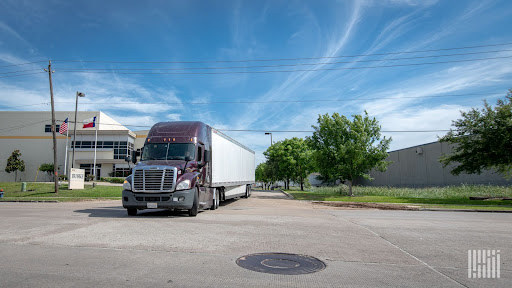
Direct freight isn’t posted on a load board, and you won’t stumble into it at a truck stop. It’s earned. Earned through professionalism, consistency, and running your operation like a real business—not a hustle.
Shippers aren’t looking for someone with just a truck and authority. They’re looking for partners. Carriers they can count on. The hard truth? Most small fleets never get there because they’re stuck in survival mode. No real communication process. No scorecard for performance. No system beyond: “I’ll get it there.”
If you want direct freight, you’ve got to prove you’re more than just wheels on the highway. You have to run like a transportation partner—organized, predictable, and trustworthy. The carriers that win don’t run chaos. They run systems. Here are a few basic steps to have in order before you make the leap.
Step 1: Make Your Operation Predictable
The one thing every shipper hates? Surprises. Missed appointments. Last-minute excuses. Disappearing drivers. Predictability is the currency.
Here’s what that looks like:
- Defined service area
- Consistent capacity
- On-time performance tracking
- Backup plans for when things go sideways
- A system for reviewing every service failure
- A documented lane strategy with rate targets and cost benchmarks
Real-world example: imagine telling a shipper, “We cover Charlotte to Chicago every week, and here’s our 92% on-time record over the last quarter.” That conversation is different from “We’ll go wherever the freight pays.”
Takeaway: shippers don’t just want coverage. They want reliability. That starts with knowing your lanes, tracking your performance, and fixing the root causes when you slip.
Step 2: Set Professional Communication Standards
Communication makes or breaks you. A missed call or slow reply doesn’t just annoy a shipper—it kills trust. Good communication isn’t reactive. It’s proactive, structured, and consistent.
Think in standards:
- Status updates at pickup, in-transit, and delivery
- Response time expectations
- A set tone for customer emails and calls
- After-hours contact protocol
- Clear communication when something goes wrong (not if—it will)
Tools make this easier: auto-replies for email confirmations, TMS updates sent automatically, templates for BOLs and invoices. Even something simple like a shared calendar can clean up a lot of chaos.
Takeaway: If a shipper has to chase you for updates, you won’t see repeat freight. Communication is what turns a single load into a relationship.
Step 3: Keep Compliance Tight
Before a shipper ever gives you freight, they’re checking your safety record, insurance, and inspection history. A sloppy compliance profile screams “risk.”
That means:
- Clean CSA scores
- Current and accurate driver files
- Up-to-date ELD, IFTA, UCR, and MVR reports
- Monthly reviews of your SMS profile
- Compliance documents digital and ready to share
Quick story: We once had a shipper comment, “We picked that company because their safety file was clean and their insurance certificate came back in five minutes. Another carrier took three days to send it over.” That’s the difference professionalism makes.
Takeaway: compliance isn’t paperwork—it’s your reputation.
Step 4: Show You’re Financially Stable
Shippers want to know you’ll still be around next quarter. If your business looks shaky, they won’t take the risk. Financial discipline equals service stability.
That means:
- Paying insurance, fuel, and other expenses on time
- Keeping an operating reserve
- Avoiding quick-cash options unless absolutely necessary
- Watching debt and cash flow weekly, not monthly
- Building profit into every load you run
Practical move: set aside even $200 a week into a reserve account. It adds up, and it tells shippers you’re not a load away from going under.
Takeaway: financial stability is a selling point. Shippers want partners who aren’t living load to load.
Step 5: Build a Shipper-Facing Profile
You don’t need a flashy website. But you do need something professional you can hand a shipper. Something that says: “We’re legit.”
That could be a one-page portfolio with:
- Company overview (equipment, service area, years in business)
- Safety highlights (clean inspections, no claims)
- Core lanes and availability
- Contact info with branded email
- FMCSA registration and insurance certificates
- Testimonials or references, if you have them
You can make this in Canva or Google Slides in under an hour. Keep it sharp, simple, and ready in PDF.
Takeaway: shippers take you as seriously as you present yourself. Look like a partner, not a side hustle.
Step 6: Follow Up Like a Professional
One good load won’t get you a contract. Follow-up does. This is where most carriers drop the ball.
After every direct load:
- Confirm delivery within an hour
- Say thank you
- Ask for feedback
- Let them know you’re available for future moves
- Send an updated lane sheet once a month
Systems help here. A CRM, even a simple calendar reminder, makes sure you never miss a follow-up.
Takeaway: the relationship doesn’t start at the load—it starts at the follow-up.
Step 7: Use Load Boards the Right Way
Load boards aren’t where direct freight lives. But if you’re smart, they can help you build relationships that lead to it.
Here’s how:
- Target repeat loads from the same shipper or broker
- Deliver consistently, then ask about dedicated lanes
- Track which brokers pay on time and have repeat freight
- Reach out to brokers you’ve run multiple loads for and ask to meet the shipper rep
Treat every load like a job interview. Because it is.
What a Direct-Freight-Ready Carrier Looks Like
- Runs defined, consistent lanes
- Communicates proactively and professionally
- Has SOPs for dispatch, invoicing, and compliance
- Keeps safety and inspection records clean
- Operates with reserves, not desperation
- Presents with branded documents and professional follow-up
- Audits performance regularly and fixes issues fast
- Has a clear onboarding process for new shipper contacts
Takeaway: direct freight doesn’t go to the loudest—it goes to the most prepared.
Final Word
Direct freight isn’t luck. You don’t beg for it—you earn it. Load by load, invoice by invoice, phone call by phone call.
Every system you build, every process you document, every impression you leave—it all adds up to a brand. And that brand is what shippers trust.
The carriers who win aren’t hustling from board to board. They’re building businesses with discipline, structure, and consistency. They track their performance. They plan ahead. They communicate with purpose. And they fix problems before they become excuses.
So here’s the question: what’s one change you can make this week to operate like the carrier a shipper would call first?
Start there. One standard. One shift. Then stack another. That’s how direct freight finds you.
Brokerage Compliance Symposium
The day before F3. Every compliance issue you face - fraud exposure, carrier liability, FMCSA rules, cargo theft, insurance gaps - navigated by attorneys and operators defining best practices in a changing industry.
F3 Awards Dinner
The night before F3. FreightTech100 companies honored. FreightTech 25 and Shipper of Choice winners revealed live. Cocktail reception into dinner and live music - 300 industry leaders in one purpose-built room.
F3: Future of Freight Festival
Industry-defining keynotes, rapid-fire technology demos, and industry leaders networking in experiences across Chattanooga - plus the inaugural F3 Awards Dinner featuring the FreightTech and Shipper of Choice reveals.
The day before F3. Every compliance issue you face - fraud exposure, carrier liability, FMCSA rules, cargo theft, insurance gaps - navigated by attorneys and operators defining best practices in a changing industry.
The Signal at Chattanooga Choo Choo • Chattanooga, TN Register NowThe night before F3. FreightTech100 companies honored. FreightTech 25 and Shipper of Choice winners revealed live. Cocktail reception into dinner and live music - 300 industry leaders in one purpose-built room.
The Signal at Chattanooga Choo Choo • Chattanooga, TN Register NowIndustry-defining keynotes, rapid-fire technology demos, and industry leaders networking in experiences across Chattanooga - plus the inaugural F3 Awards Dinner featuring the FreightTech and Shipper of Choice reveals.
The Signal at Chattanooga Choo Choo • Chattanooga, TN Register Now