Congressional leaders push for tax credit for scrapping older railcars
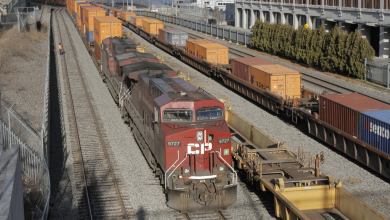
A bipartisan group of U.S. representatives is supporting a bill that would encourage companies to replace or modernize older freight railcars via a tax credit.
Railroads continue to play a significant role in North America’s economic infrastructure. According to the U.S. Department of Transportation Federal Railroad Administration, the U.S. rail freight network covers almost 140,000 route miles and is generally considered the largest, safest, and most cost-efficient freight system in the world. In addition, says the FRA, the almost $80 billion rail freight industry creates more than 167,000 jobs across the country.
In essence, rail freight companies charge businesses to carry cargo across their network of rails. Their rates are overseen by the Surface Transportation Board, a federal agency that regulates financial aspects of surface transportation. Major railroads in North America include Union Pacific Railroad, BNSF Railway, CSX, Norfolk Southern, Canadian Pacific Kansas City and Canadian National Railway.
Keep up with the latest news, trends and reports concerning rail freight transport here!
A bipartisan group of U.S. representatives is supporting a bill that would encourage companies to replace or modernize older freight railcars via a tax credit.
FreightWaves chatted with new National Railway Equipment CEO Merritt Becker about how NRE expects to help companies deploy technology to their older locomotive and inland waterway fleets.
CSX has completed its acquisition of New England short line Pan Am Railways. CSX first announced plans to acquire Pan Am in November 2020.
The Federal Railroad Administration grant will be used to upgrade the intermodal rail yards at the Seagirt Marine Terminal.
Trinity Industries’ acquisition aims to benefit rail shippers, while Canadian Pacific’s agreement with Hapag-Lloyd seeks to provide service to key inland Canadian and U.S. Midwest markets.
Nexxiot will provide tracking technology for Knorr-Bremse’s railcar component systems.
AskWaves defines what the common carrier obligation is and why the concept has garnered attention lately.
U.S. freight railroads and a rail union disagree over what’s the best way to deploy enhanced track geometry inspections.
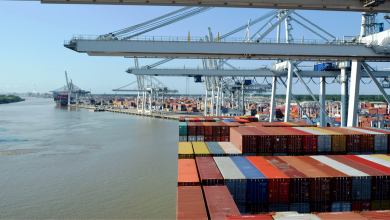
The port is undergoing a modernization initiative and aims to double container capacity as part of a broader effort to attract market share from Northeast and Midwest customers.
A bipartisan group of U.S. senators wants the Surface Transportation Board to take action to address service delays and congestion on the freight rail network.
Georgia Central Railway will serve Hyundai Motor Group’s $5.5 billion-dollar electric vehicle and battery manufacturing facility near Savannah.
A U.S. federal appeals court ruled that four Class I railroads must bear the burden on what internal documents can be excluded from two lawsuits about fuel surcharges and price fixing activity in the early 2000s.
In the wake of the latest deadly shootings, Democratic lawmakers urge carriers to tighten firearm security measures.
Tampa Electric says rail service issues are why the power company isn’t receiving enough coal from CSX, according to a filing to federal regulators. But CSX says the problem lies with reduced production at the coal mine.
It was another record month for GPA, with container volumes up by over 6% year-over-year.
BNSF has made some changes to the attendance policy that it implemented in February, but unions say the changes don’t go far enough to prevent worker fatigue.
FreightWaves founder and CEO Craig Fuller lays out the premise of Freedom Trade.
The board could adopt reciprocal switching and first-mile and last-mile data collection, according to comments made by STB Chairman Marty Oberman at a U.S. House subcommittee hearing last week.
Advocates for freight and passenger rail in Texas are pressing legislators to pursue federal grant opportunities that would bolster short lines and intercity rail.
Fourteen projects received matching grants to upgrade track and bridges.