Rail regulators want to speed emergency service responses
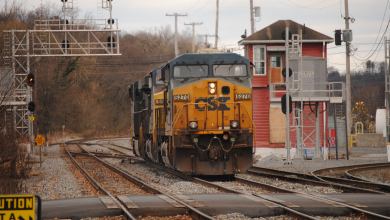
The Surface Transportation Board wants ‘act on its own initiative’ to modify rules governing its response to service emergencies
Railroads continue to play a significant role in North America’s economic infrastructure. According to the U.S. Department of Transportation Federal Railroad Administration, the U.S. rail freight network covers almost 140,000 route miles and is generally considered the largest, safest, and most cost-efficient freight system in the world. In addition, says the FRA, the almost $80 billion rail freight industry creates more than 167,000 jobs across the country.
In essence, rail freight companies charge businesses to carry cargo across their network of rails. Their rates are overseen by the Surface Transportation Board, a federal agency that regulates financial aspects of surface transportation. Major railroads in North America include Union Pacific Railroad, BNSF Railway, CSX, Norfolk Southern, Canadian Pacific Kansas City and Canadian National Railway.
Keep up with the latest news, trends and reports concerning rail freight transport here!
The Surface Transportation Board wants ‘act on its own initiative’ to modify rules governing its response to service emergencies
This week’s rail news roundup includes CSX’s to offer SMART-TD members advance payments to improve relations and Wabtec’s latest acquisition.
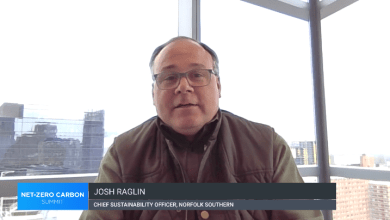
Norfolk Southern Chief Sustainability Officer Josh Raglin chats with Tyler Cole of FreightWaves about the ways that the freight rail industry is helping stakeholders adopt sustainable practices.
Former EPA Administrator Christine Todd Whitman explains in an Earth Day interview how the freight industry can embrace a more environmentally friendly future.
Precision scheduled railroading will help the western U.S. railroad recover service more efficiently, UP executives argue.
The eastern U.S. railroad says its hiring initiative is going well.
The U.S. railcar lessor doesn’t expect the war in Ukraine to impact company profits, but the conflict is affecting operations in Poland.
As investors and rail stakeholders digest the Class I railroads’ first-quarter 2022 financial results, discussions about service metrics, crews and capacity, and inflation could creep into earnings calls.
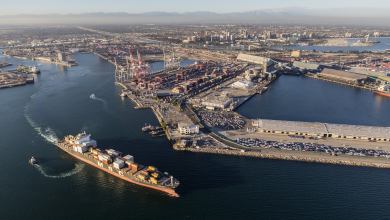
The U.S. Maritime Administration issued a final environmental impact statement for the Pier B on-dock rail facility at Long Beach and approved the project.
On its first-quarter call with analysts, management from J.B. Hunt said demand indications from customers have been strong. The path is likely not as easy for smaller players in the space.
The Sweeteners Users Association asks federal regulators to address rail service issues, plus news from Union Pacific, Norfolk Southern and Commtrex.
The Surface Transportation Board gives the green light for CSX to acquire Pan Am Railways.
Illinois-based CF Industries says UP’s plan would hamper CF Industries’ ability to deliver fertilizer during the spring application season.
STG Logistics has made nearly a dozen acquisitions over the last five-plus years. However, its latest deal for XPO’s intermodal unit is its most transformative yet.
If UP and customers can’t reduce the number of active railcars on the network, the railroad may temporarily resort to metering.
The letter sent by the National Grain and Feed Association to regulators about subpar rail service is finding support among other rail industry stakeholders.
FreightWaves Founder and CEO Craig Fuller explains the boom and bust cycle of the trucking industry.
SC Ports handled 264,334 TEUs in March, up 6% year-over-year.
The Class I railroads say they have been trying to improve service, which has deteriorated amid the COVID-19 pandemic. But the Surface Transportation Board questions whether headcount reductions come into play.
Democratic leaders urge the Federal Railroad Administration to act on worker fatigue, while the Port of Montreal’s new container terminal will be served by rail.