




Kim Link Wills
Thursday, October 7, 2021
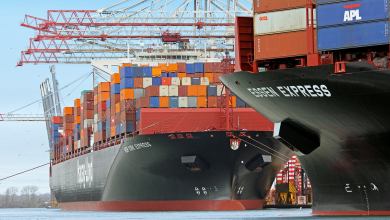
Hapag-Lloyd CEO: ‘We are probably in the peak of the problems’
Yes, despite the headaches, the ocean carriers are making boatloads of money.
Yes, despite the headaches, the ocean carriers are making boatloads of money.
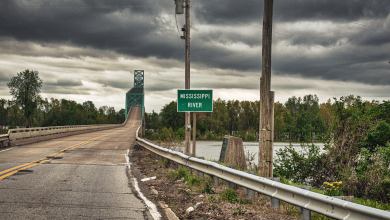
Officials say a proposed inland port near where the Mississippi and Ohio rivers meet will have ample capacity to serve Midwest customers seeking export access via barge, rail and truck.
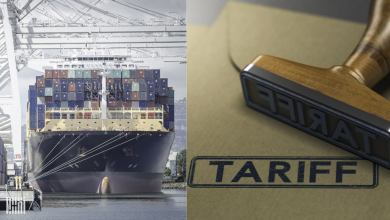
If you thought President Joe Biden would quickly reverse Trump’s controversial trade policy toward China, guess again. U.S. importers aren’t happy.
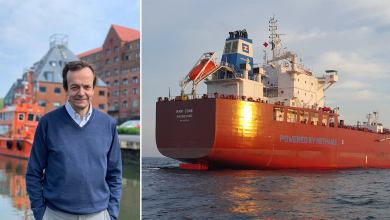
Captured carbon dioxide and green hydrogen are combined to make e-methanol. Sweden-based Liquid Wind has big plans for this alternative shipping fuel.
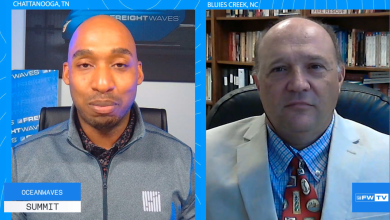
The ongoing supply chain crisis and lack of seafarers is leading to a global shortage of key commodities, Salvatore R. Mercogliano, an associate professor of history at Campbell University, told FreightWaves’ Anthony Smith at the virtual OceanWaves Summit on Wednesday.
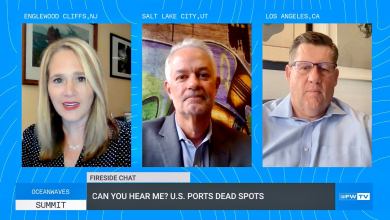
Ports around the world often suffer from digital communication blackouts, inhibiting the real-time tracking of trade flows.
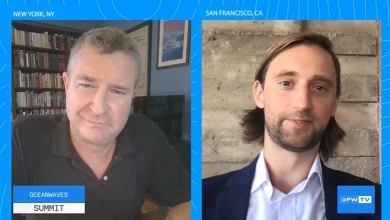
Shipping Asia-U.S. via regular ocean service and rail? “I would bet your goods will not arrive in time for Christmas,” says Flexport’s Nerijus Poskus.
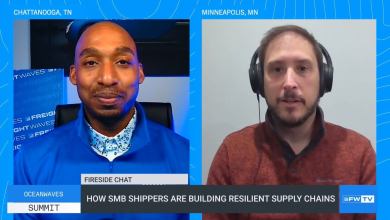
FreightWaves’ Anthony Smith talks about the ways shippers are building reliant supply chains with Nate Shutes, VP of global fulfillment and logistics at Blu Dot, during FreightWaves’ OceanWaves Summit.
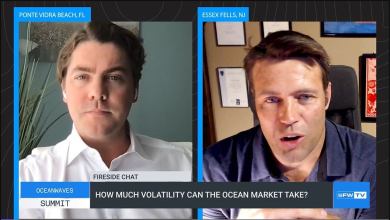
NYSHEX can help untrusting shippers and carriers find common ground to improve contract performance.
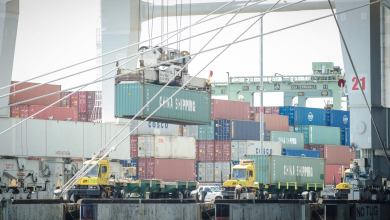
Ports and inland transportation connections are choking on ocean imports. A top economist says don’t blame ocean carriers.

Amazon aggregator Perch’s international transportation manager John Esborn explains how the company secures shipping capacity during FreightWaves’ OceanWaves Summit.
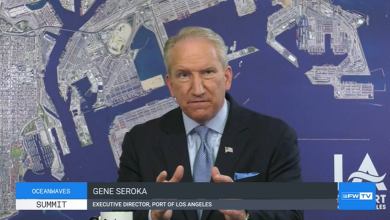
Los Angeles is at the front line of the port congestion crisis. Its executive director outlines his strategy to clear anchorages.
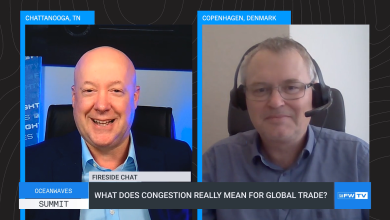
“If I’m optimistic, you’re looking six months into the future” before congestion and capacity challenges start to subside, says Vespucci Maritime CEO Lars Jensen.
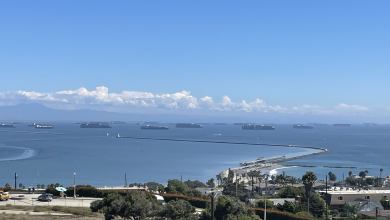
How will public view ships anchored off Los Angeles/Long Beach if one of them is tied to Huntington Beach spill?
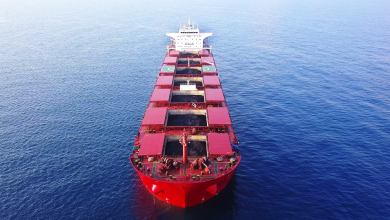
Capesize bulkers haven’t earned this much since 2009, and freight futures just made “monstrous” move up.
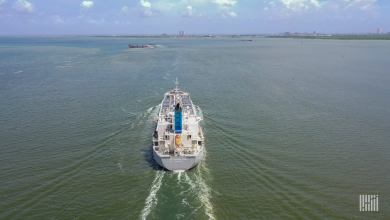
The Sustainable Shipping Initiative’s recent report on marine fuels urges the inclusion of all aspects of sustainability, such as air quality, human rights, water, social equity, land use and of course, greenhouse gas emissions.
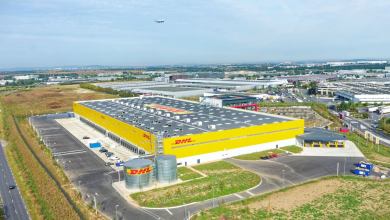
DHL Express is investing around the world in its international parcel network. A bigger Paris hub means faster package delivery.

A cargo jet made an emergency landing in the ocean off Oahu this past summer. Investigators are now going to pull the wreckage off the ocean floor.
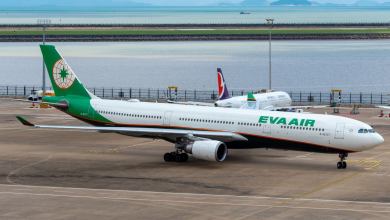
More air cargo operators are interested in flying the Airbus A330 as a converted freighter and Israel Aircraft Industries has jumped in to produce them.
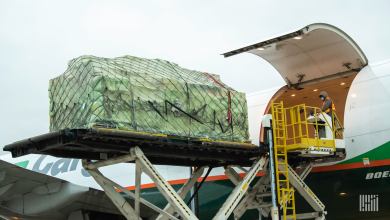
There are two ways to transport goods overseas: ocean or air. Port congestion and shipping delays are forcing companies to shift to faster air transport, which releases more emissions, costs more per unit and has its own capacity constraints.