




Greg Miller
Thursday, April 16, 2020
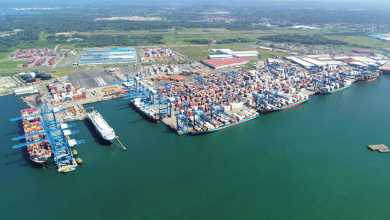
Coronavirus in the Caribbean: Container hubs in crosshairs
Pandemic yet to heavily impact Caribbean container transshipment but fallout looms.
Pandemic yet to heavily impact Caribbean container transshipment but fallout looms.

Prominent transportation leaders are part of a business task force offering ideas on when and how to lift coronavirus restrictions.
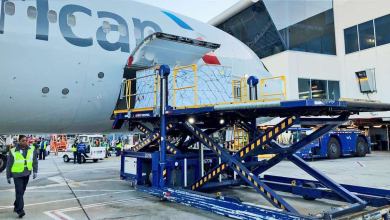
American will penalize shippers who don’t show up or cancel a booking at the last minute, while Delta is adding more capacity for its scheduled cargo routes to Asia.
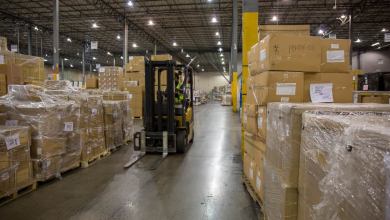
Less-than-containerload services offer forwarders and their shippers an alternative to more expensive air freight and full-container transport services, industry experts say.
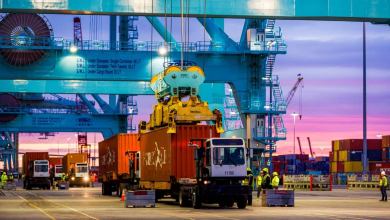
Ports of Seattle, Tacoma, Los Angeles, Long Beach, Oakland, Houston, Jacksonville and Charleston all report drops in March.

Pandemic pressures on tourism, oil and textiles squeeze Caribbean cargo demand.

The Supply Chain Intelligence Center pinpoints trouble spots on the nation’s highways and ports to U.S. humanitarian relief providers responding to the health crisis.
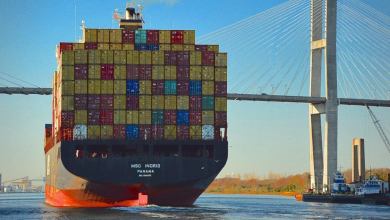
World’s second-largest box carrier resolves its website woes.
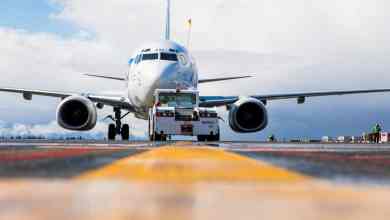
Airlines and employees gave a big sigh of relief when Congress recently passed a major industry bailout, but feelings turned to frustration when the Trump administration decided to limit the cash payouts.
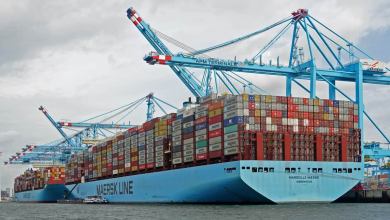
Good news for box carriers: Freight rates haven’t collapsed. Bad news: Volumes have.
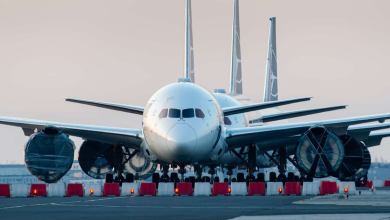
The airline industry is poised to shrink considerably as revenues evaporate and they are forced to cut costs to the bone.
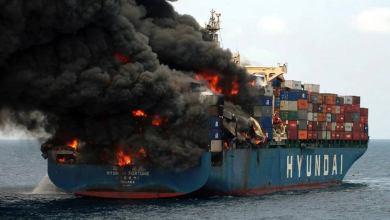
Global maritime insurer promotes international adoption of container packing and declaration practices to reduce losses.
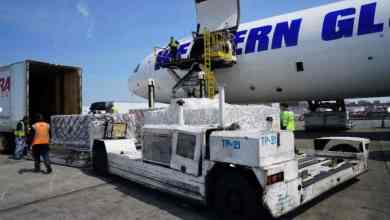
The World Health Organization has air hubs in Doha and Addis Ababa and is pumping humanitarian resources and workers around the world in response to the coronavirus pandemic.

Ocean shipping post-pandemic: What changes lie ahead for supply, demand, stocks and debt?

Cargo has had a window view on some international airlines. Now U.S. airlines are looking to load boxes in the passenger cabin when operating in cargo-only mode. The next step — remove the seats altogether.

Problem-solving supply chain bottlenecks is the way to build customer loyalty, freight experts say.
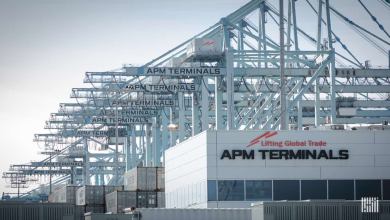
Fee-based storage offered at five North American terminals to assist importers dealing with supply chain disruption caused by coronavirus pandemic.

The number of empty containers returned to Asia from the California port dropped 23% in March.
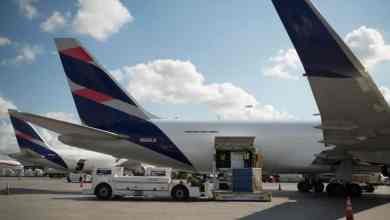
LATAM Airlines and Qatar Airways are maximizing freighter deployments.
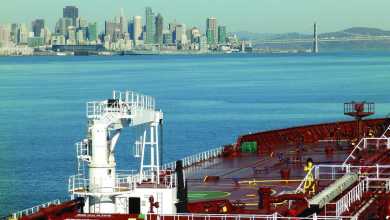
Crude-tanker demand should continue to rise. Will stock prices follow suit?