What is IMO 2020 and how does it impact trucking and shipping? (with video)
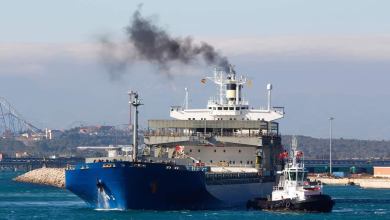
IMO2020 is an environmental rule effective January 1, 2020 that regulates how much sulfur a ship can give out in its exhaust.
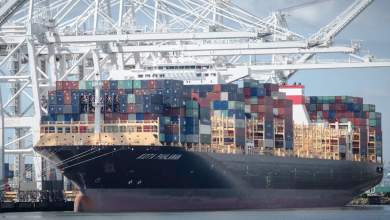

For all containers moving in and out of the U.S., rates (both contract and spot rates) are required to be filed with the Federal Maritime Commission (FMC) 30 days in advance of the containerized cargo being shipped. This adds an additional layer of complexity to the way ocean container rates are negotiated and governed.
Links to 16 exclusive interviews with key decision-makers in ocean shipping.
International trade and customs attorney Zhaokang Jiang explains how China is aiming to improve cross-border trade efficiency, create fair competition and ensure compliance and sustainable growth.
Capital constraints should keep ocean shipping capacity in check, a plus for rates.
Customs and Border Protection moved the nationwide tests to early April and October “due to limited availability of testing sites and to ensure the integrity of exam conditions.”
A strong U.S. economy should see Europe-North America container volume growth of 3%+ next year, but clouds hover over the trade.
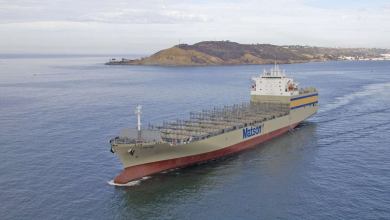
Matson has taken delivery of the largest container/roll-on, roll-off ship ever built in the U.S.
Concerns rise that shipping can’t recoup cost of IMO 2020-compliant fuel.
The Commerce Department’s Bureau of Industry and Security will expand export licensing requirements for technologies intended for military applications.
DP World has been awarded a contract that will result in expansion of a container terminal in Jeddah, Saudi Arabia.
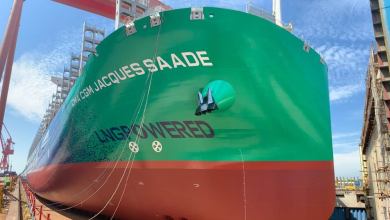
A global effort is underway to slash harmful emissions from ocean-going ships. Liquefied natural gas will likely play an important — but only partial — role in that endeavor.
Cargo on board a ship has frequently been the cause of damage or total loss.
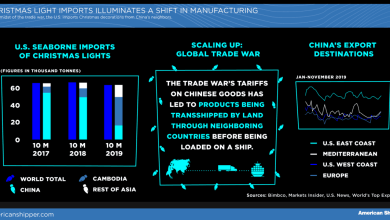
A trade war truce is not stopping multinationals from exploring alternative sourcing options to China, but moving supply chains is difficult, says expert.
The Department of Justice says a jury has found tanker owner Evridiki Navigation guilty of violating a pollution law, but an appeal is planned.