




American Shipper

Chris Dupin
Thursday, November 7, 2019
Matson expects $30 million benefit in 2020 from investments
In 2020, Matson expects to reap approximately $30 million in financial benefits from new vessels and other infrastructure investments.

Chris Gillis
Thursday, November 7, 2019
Study: Americans’ tab for tariffs $7.1 billion in September
Between February 2018 and September 2019, U.S. consumers and businesses spent an additional $38 billion on products due to tariffs on Chinese goods, Tariffs Hurt the Heartland said.

Chris Dupin
Thursday, November 7, 2019
Containership charterer Seaspan eager to grow its fleet
Seaspan Corp. says there are attractive opportunities to increase the size of its fleet.

Kim Link Wills
Thursday, November 7, 2019
Not just ‘elderly men with gray hair’
Lena Gothberg uses her podcast to spotlight diversity in the maritime industry.

FreightWaves Staff
Thursday, November 7, 2019
US imports from China crash 25% as trade diversification accelerates
A United Nations report concludes U.S. consumers and Chinese exporters are the primary losers in the trade war. Taiwan, Mexico, Europe and Vietnam are net beneficiaries.
FreightWaves Staff
Thursday, November 7, 2019
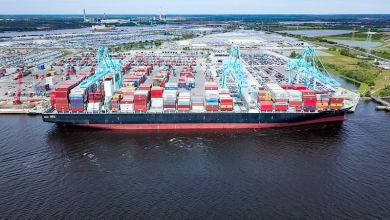
Jaxport wins $20m in federal funds for Blount Island expansion
Florida’s largest seaport will use federal funds as part of expansion of its largest marine terminal.

Kim Link Wills
Wednesday, November 6, 2019
WISTA ‘sistas’ aim to level maritime playing field
Women from around the world come together to push for gender equality in the industry.

Chris Dupin
Wednesday, November 6, 2019
For Global Ship Lease, small is beautiful — and so is IMO 2020
Global Ship Lease says it focuses on trade lanes responsible for 70% of global container trade and not the big East-West trades.

Chris Gillis
Wednesday, November 6, 2019
CBP investigates $31 million cocaine seizure at Port of Savannah
U.S. Customs and Border Protection officers found the drugs stuffed in duffel bags inside a container load of scrap aluminum and copper en route to Europe from South America.

Chris Gillis
Wednesday, November 6, 2019
Customs broker exam takers give testing conditions poor grade
The NCBFAA, which represents the customs brokerage industry, has become increasingly upset with the management at the Customs and Border Protection-contracted test sites and the way applicants are treated.

Greg Miller
Tuesday, November 5, 2019
Ardmore: 2020 marine gasoil demand to top expectations
Ardmore Shipping execs predict the initial IMO 2020 phase will favor more expensive 0.1% MGO.

Chris Dupin
Tuesday, November 5, 2019
Jury awards $93.6 million to former operator of Port of Portland container terminal
A federal jury has awarded $93.6 million to ICTSI Oregon, the former operator of the Port of Portland’s Terminal 6, after finding dockworkers engaged in illegal work practices such as work slowdowns and stoppages.
FreightWaves Staff
Tuesday, November 5, 2019
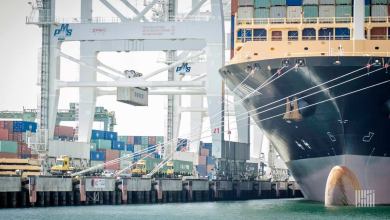
Are box shipping rate spikes sustainable?
Asia-Europe and Asia-U.S. spot freight rates jumped 12-30% last week, but can carriers hold on to the gains?

Chris Dupin
Monday, November 4, 2019
Danaos reports lower profit but is upbeat about 2020
Danaos expects in 2020 container trade demand growth will outpace supply growth for the first time in almost 10 years.

Chris Gillis
Monday, November 4, 2019
US Navy officer, wife face charges of attempted illegal export
False submission of shipment information in the U.S. government’s Automated Export System helps sink scheme to smuggle military-style inflatable boats and engines to China, according to officials.

Chris Gillis
Monday, November 4, 2019
CBP issues penalty-mitigation guidelines for wood packaging violations
U.S. Customs and Border Protection officers at the ports keep watch for untreated wood packaging in cargo shipments to prevent the spread of wood-boring pests.

Philippe Salles
Monday, November 4, 2019
Tech Connections: Limited interaction between demand and supply creates downstream inefficiencies
With shippers and carriers unable to predict rates or capacity in the spot market from month to month, can a better alternative be developed by new freight capacity marketplaces?