US government struggles to assess sanctions impact
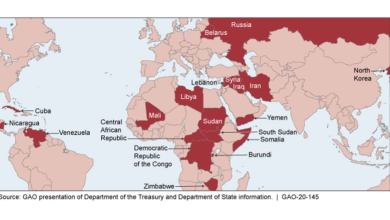
The Government Accountability Office found that Treasury, State and Commerce agencies, which administer U.S. economic sanctions, lack the ability to definitively measure their effectiveness.
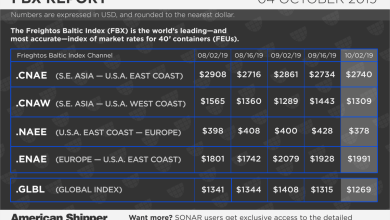
The Baltic Exchange has been unrivaled in its creation of indices for dry freight futures. That may be about to change.
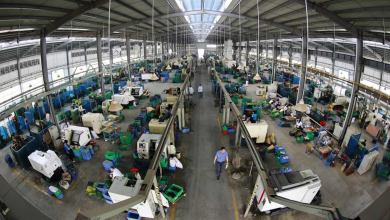
The transfer of production out of China to avoid U.S. tariffs of up to 25% is having a tangible impact on global trade flows.
The consultants Drewry and supply chain software company CyberLogitec say technology could help small and medium shippers by reducing volatile spot rates.
The introduction of new low-sulfur fuels, bearish demand and increased blanked sailings will bring more volatility to box markets in the coming months, says MSI.
“Items that likely would have been forfeited, slated for auction or destroyed as part of a final disposition are now going to help those in need,” CBP’s Miami International Airport port director said.
Dredging could begin in late 2020 after port finishes shoreside upgrades.
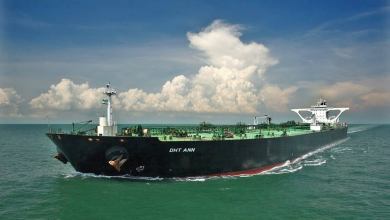
Crude tanker rates continue to surge, driven by geopolitical tensions. Meanwhile, container rates remain weak.
The National Customs Brokers and Forwarders Association of America will work with U.S. Customs and Border Protection to develop the education program.
The U.S. Treasury Department’s Office of Foreign Assets Control said three GE subsidiaries failed to use “reasonable care” by accepting payments from a Cuban entity associated with a Canadian customer.
From Oct. 1 new low-sulfur fuel charges are being levied by some container lines with more to follow through Q4. Use of the fuels is not mandatory until January 1, 2020.
U.S. sanctions targeting Iranian crude aboard Chinese ships ensnare Canadian-headquartered, New York-listed owner of Bahamas-flagged vessels carrying Russian cargoes via Arctic Sea.
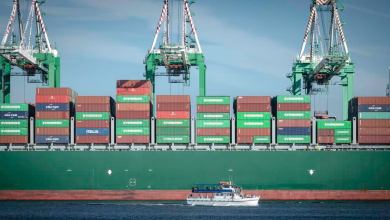
Export and import volumes falling well below earlier estimates as economy slows and trade tensions rise.
Customs and Border Protection issued holds on five products from five countries, requiring U.S. importers to re-export those products or provide additional information that they were not made with forced labor.
The World Shipping Council considers next steps after the U.S. Federal Maritime Commission on September 26 denied a part of its petition calling for the elimination of service contract filing.
Brandon Fried, executive director of the Airforwarders Association, believes U.S. Customs and Border Protection must step up engagement with his industry to boost its participation.
U.S. sanctions targeting a subsidiary of China’s COSCO Shipping could have far-reaching consequences.
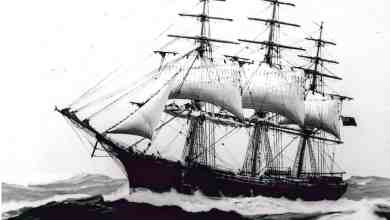
For 235 years China and the U.S. have sought out each other’s markets by utilizing their fleets of merchant ships.