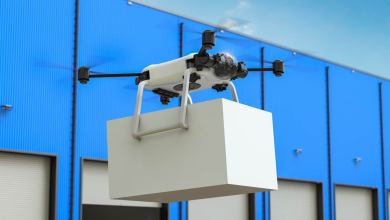
Without planning, drones represent a flying traffic nightmare
UrbanFootprint is looking at case studies on drone deliveries, focusing on how its tools can help municipalities and drone providers with planning logistics.
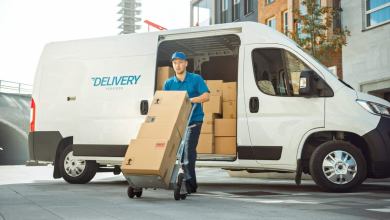
The city of Aspen has been running a parking reservation pilot program with Coord that enables commercial delivery fleets to secure parking spaces for their vehicles.
STORD, which describes itself as a cloud supply chain company, has secured a $65 million funding round as it seeks to expand upon its logistics capabilities.
PayPal announced it will allow consumers to make online payments with cryptocurrencies through its Checkout with Crypto offering.
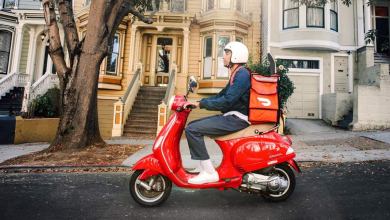
More municipalities have been capping the fees DoorDash can charge restaurants, and the delivery company is fighting back with added charges for consumers that it says are necessary to keep operating.
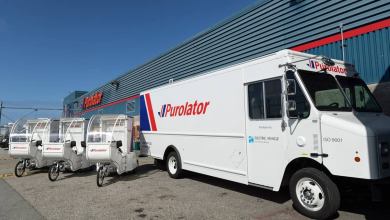
Canadian courier Purolator has added electric trucks and cargo bikes to its Vancouver fleet as it continues to deploy more environmentally friendly delivery vehicles.
XGen has launched a platform that connects to e-commerce sites, providing shoppers with a more personalized experience with relevant recommendations and other interactions.
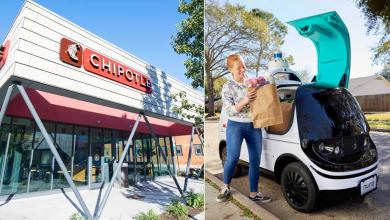
Chipotle reveals it has invested in self-driving vehicle startup Nuro as it looks at new ways consumers will engage with the brand.
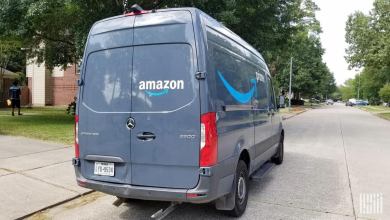
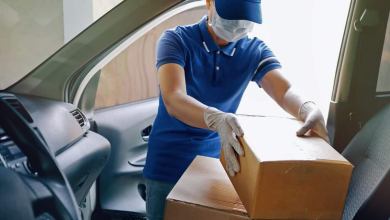
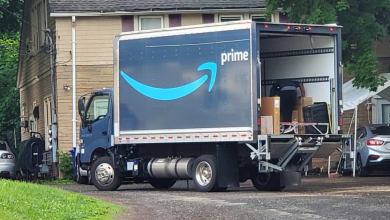
Amazon is reversing course and dropping plans to monitor drivers for mask wearing compliance in its branded vehicles.
As consumers become accustomed to same-day delivery, retailers and their delivery partners are facing increased pressure to improve the overall experience.
Increased use of micro-fulfillment centers and more efficient vehicles and routing can reduce carbon emissions by 25% in urban environments, according to Accenture.
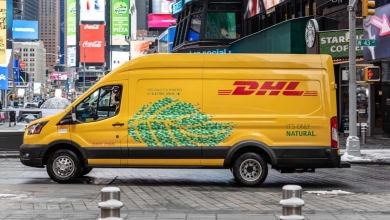
DHL Express was pleased with a trial of nine Lightning eMotors electric Ford Transit vans and is now ordering an additional 89 units to deploy in New York and California.
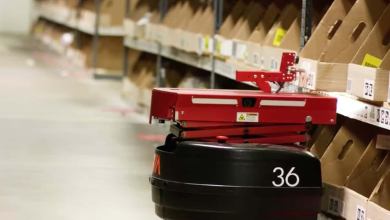
Cargo Cove is the latest logistics company to move toward automation in its warehouse, adding AI-powered software and eventually autonomous robots to its Jacksonville facility.
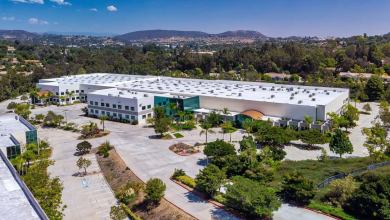
RPG has acquired a 200,000-square-foot San Diego industrial facility with plans to redevelop it to accommodate e-commerce warehousing and distribution.
Uber’s decision to upgrade the status of its U.K. drivers puts added pressure on the company in the U.S. to do the same, even though experts say it has no legal impact on this side of the Atlantic.
The company buys products directly from a manufacturer and distributes those goods throughout more than 250 micro-fulfillment centers. With its contracted driver network and a flat fee of $1.95, goPuff promises 30-minute delivery 24/7.
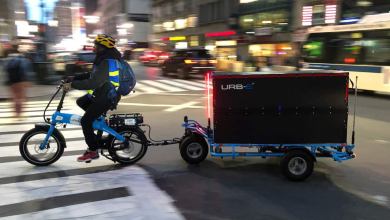
URB-E believes its electric bike that pulls an 800-pound capacity cargo container can replace a single delivery van in cities, reducing emissions and improving last-mile and on-demand delivery networks.
As COVID-19 restrictions eased across the county, the number of Americans ordering groceries online dropped in February, led by a decrease in the over-60 age bracket.
Perch is helping smaller brands pool their resources to lower logistics costs and better compete on Amazon’s vast marketplace.
U.K. delivery company Deliveroo has set its IPO price range, giving the Amazon-backed company a nearly $12 billion valuation.