February volumes soften at South Carolina Ports
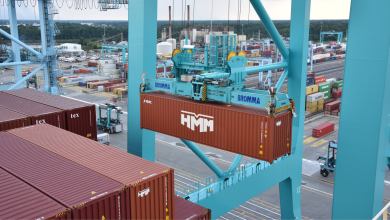
Although February volumes at SC Ports were down 13% year over year, they still represented the second-highest total for the month in port history.
Railroads continue to play a significant role in North America’s economic infrastructure. According to the U.S. Department of Transportation Federal Railroad Administration, the U.S. rail freight network covers almost 140,000 route miles and is generally considered the largest, safest, and most cost-efficient freight system in the world. In addition, says the FRA, the almost $80 billion rail freight industry creates more than 167,000 jobs across the country.
In essence, rail freight companies charge businesses to carry cargo across their network of rails. Their rates are overseen by the Surface Transportation Board, a federal agency that regulates financial aspects of surface transportation. Major railroads in North America include Union Pacific Railroad, BNSF Railway, CSX, Norfolk Southern, Canadian Pacific Kansas City and Canadian National Railway.
Keep up with the latest news, trends and reports concerning rail freight transport here!
Although February volumes at SC Ports were down 13% year over year, they still represented the second-highest total for the month in port history.
Canadian railway CN and the union Unifor have reached a tentative collective deal, thus averting a potential strike. BNSF and Canadian Pacific also have reached agreements.
CSX makes changes to its operational team and beefs up its industrial development program, while Norfolk Southern reaches another sick leave agreement with a union. Also, RailState names a former BNSF executive to its advisory board.
A law firm specializing in stockholder rights wants Norfolk Southern investors to join a class-action lawsuit over precision scheduled railroading. The firm says certain PSR practices compromised safety and depressed NS stock prices.
Two congressional representatives from Ohio have introduced a rail safety bill that they say would build off of NTSB’s findings into the cause of the Feb. 3 derailment of a Norfolk Southern train.
Canadian Pacific laid out who will be in key leadership roles after the company merges with Kansas City Southern in April.
Shippers and others weigh in on the Surface Transportation Board approving the railroad merger of Canadian Pacific and Kansas City Southern.
The Surface Transportation Board has approved merger plans between Canadian Pacific and Kansas City Southern railroads.
The International Association of Machinists and the Brotherhood of Railway Carmen have each reached sick leave agreements with Norfolk Southern (NYSE: NSC).
Ohio Attorney General Dave Yost said Tuesday the state has filed a lawsuit in federal court against Norfolk Southern in order to ensure the railroad will be financially responsible for derailment costs and economic damages.
The Georgia Ports Authority reported its second-busiest February ever.
A roundup of recent news items from Norfolk Southern, Union Pacific, Amtrak and the Surface Transportation Board.
A Senate hearing Thursday provided Congressional leaders a chance to grill Norfolk Southern President and CEO Alan Shaw not just on the Feb. 3 train derailment in Ohio but also on the industry’s views on rail safety.
BNSF and three unions reach sick leave deals; Trinity Industries acquires a 3PL; and STB names new members to an energy transportation advisory committee.
Norfolk Southern notified federal officials about loose wheels, and the Association of American Railroads put out an advisory to halt the use of rail cars that might have this issue.
The Association of American Railroads has laid out initiatives the freight rail industry expects to take up to boost safety amid calls from federal officials in the wake of the Feb. 3 Ohio train derailment.
A study found use of hot-box detectors has contributed to a 59% decrease in certain train accidents since 1990.
“While the Railway Safety Act of 2023 has potential, railroad workers are concerned with what is glaringly left out of the bill and what aspects are left to the DOT and FRA to draft, implement, and administer,” said Matt Weaver of Railroad Workers United.
Three rail unions representing mechanical workers say BNSF violated federal labor laws because of the way it has handled the staffing for its locomotive maintenance program. The unions also argue that BNSF has been deferring maintenance and adhering to a minimum standard.
The National Transportation Safety Board and the Federal Railroad Administration will conduct investigations into Norfolk Southern’s safety practices.