Sparks from CN, CP trains did not cause Lytton fire
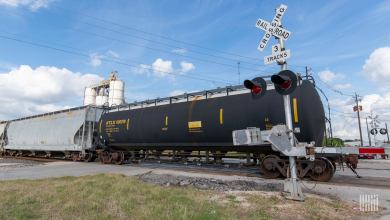
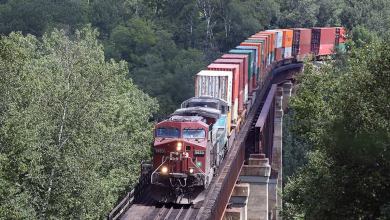
The Transportation Safety Board of Canada has determined that there is no link between July’s devastating fire in Lytton and sparks coming from CN or Canadian Pacific trains.
Railroads continue to play a significant role in North America’s economic infrastructure. According to the U.S. Department of Transportation Federal Railroad Administration, the U.S. rail freight network covers almost 140,000 route miles and is generally considered the largest, safest, and most cost-efficient freight system in the world. In addition, says the FRA, the almost $80 billion rail freight industry creates more than 167,000 jobs across the country.
In essence, rail freight companies charge businesses to carry cargo across their network of rails. Their rates are overseen by the Surface Transportation Board, a federal agency that regulates financial aspects of surface transportation. Major railroads in North America include Union Pacific Railroad, BNSF Railway, CSX, Norfolk Southern, Canadian Pacific Kansas City and Canadian National Railway.
Keep up with the latest news, trends and reports concerning rail freight transport here!
The Transportation Safety Board of Canada has determined that there is no link between July’s devastating fire in Lytton and sparks coming from CN or Canadian Pacific trains.
Borderlands is a weekly rundown of developments in the world of United States-Mexico cross-border trucking and trade. This week: The TexAmericas Center looks to expand its rail transload business; Mexico’s exports of commercial trucks fell 11.3% in September; Bridgestone completes a $100 million expansion in Mexico, creating 150 jobs; and a cold storage facility is set for Southern California.
Union members say precision scheduled railroading affects the ability to conduct thorough safety inspections.
The plan, which goes to 2055, seeks to restore and develop intercity passenger rail along four “cornerstone corridors.”
A top Biden administration official believes securing data among supply chain competitors will be the key to rolling out a nationwide 24/7 strategy.
The Association of American Railroads applauds the 24/7 approach to container operations, which the association says is similar to the way freight railroads function.
Tiger Cool Express is acquiring a cold storage warehouse in the Pacific Northwest, while Greenbrier’s leasing subsidiary is exceeding the target for the value of its first-year leasing fleet.
The platform will help improve supply chain visibility for shippers, KCS said.
Intermodal rail volumes were lower again year-over-year in September as the ability to process containers and imports is stymied by ongoing supply chain capacity constraints.
Officials say a proposed inland port near where the Mississippi and Ohio rivers meet will have ample capacity to serve Midwest customers seeking export access via barge, rail and truck.
The Transportation Security Administration will begin requiring U.S. air and rail operators to report cybersecurity incidents under new directives, the Department of Homeland Security secretary says.
The NS terminal will serve “strong growth in the Louisville intermodal market.”
Canadian railway CN and shareholder TCI Fund Management are publicly squabbling about who should run the company as CN sets a March meeting date to address TCI’s board candidate picks.
Two rail unions contend that NS is forcing some locomotive engineers to perform train conductor and brakeman duties following NS’ efforts to reduce its workforce.
CN and CP unveil their annual winter operational plans, which include expectations that grain shipments will be down this year and that a La Nina event could mean lower winter temperatures for western Canada.
FreightWaves founder and CEO Craig Fuller analyzes inflation in the supply chain.
The board affirms its previous approval of Canadian Pacific’s voting trust application.
Industry observers grapple with the complexities of implementing reciprocal switching on U.S. rail networks.
Despite flat-to-higher rail volumes in August both year-over-year and sequentially, the number of employees working at the U.S. operations of the Class I railroads fell slightly.
The East Coast ports of Savannah and Jacksonville are adding more container capacity amid long-term plans to serve as an alternative to West Coast ports.