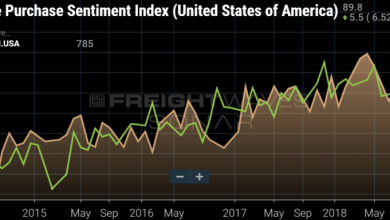
Consumer optimism may pull housing market through 2019
The housing market has been sliding since early 2018, but there are optimistic signals for a turnaround in 2019. Freight markets can only benefit from a strong housing market.


National freight volumes took a nosedive this week as Easter had a decent impact on the freight market, but how much of the drop is related to the holiday?
FreightWaves adds air temperature information as well as new fleet count data.
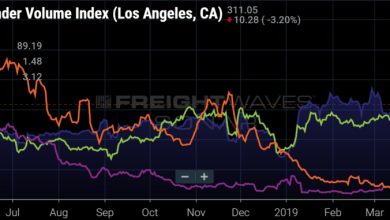
The inbound container flows had a big impact to freight volumes in the port cities of Savannah and Los Angeles this past year.
Volumes are flat year-over-year, and after a brief period of disruption the freight market has stabilized. Container volumes that have fueled the port cities freight, may be due to soften in the coming months.
FreightWaves adds air temperature information as well as new fleet count data.
Air cargo volume in Europe continues to decline. Read market expert Cathy Morrow Roberson’s take on the reasons why this is occurring and if there are options available to improve the volume.
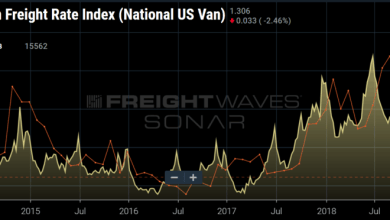
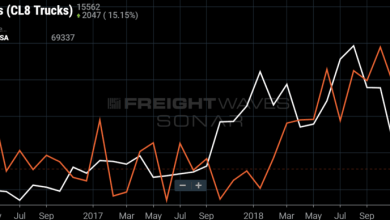
National spot market price movement has a surprisingly tight relationship with new truck orders.
Capacity is still being added to the market. Truck orders numbers for both new and used models support this.
Market volumes remain strong from a year-over-year perspective, driven by the continued strength of the West. What does this imbalance mean for the freight market as the busy season approaches?
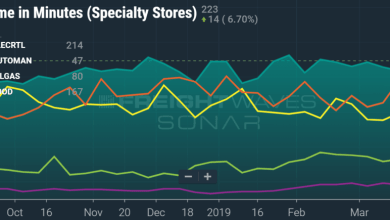
Specialty retail and electronics retail stores are the least efficient loading and unloading docks for carriers according to FreightWaves latest index.
L.A. volumes are propping up national freight volume but starting to fade. Are there any signs of another region emerging to take over for the West Coast?
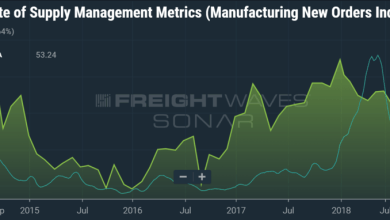
Manufacturing numbers are not looking as robust after a booming early 2018. The flatbed freight market may be in line for a big correction as well.
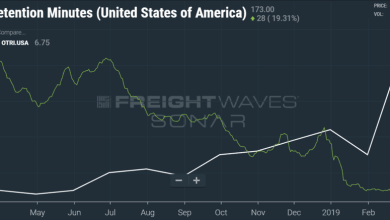
After a period of attempting to improve detention times with carriers, they appear to be falling into the old habits of making load/unload times are lower priority according to FreightWaves’ Detention Minutes Index.
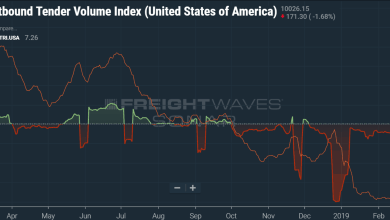
National freight volumes pulled back a bit this week after a strong start to March. Not all areas of the country are having the same experience.
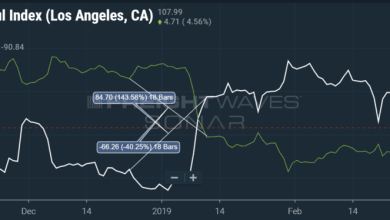
Los Angeles has had the heaviest freight volumes in the U.S. for the past several months, but carriers should be paying attention to where that freight is headed.
Volumes have jumped to seasonal levels, but capacity has not been significantly impacted yet. Will March volumes change freight market conditions?
Smaller fleets see best growth in driver capacity, but shippers only tap them once in a while, creating more volatility.
National freight volumes are flat year-over-year, but capacity is as loose as ever. What is driving the discrepancy?
Market volumes have increased significantly over the past several days, bringing national levels to those similar to early March of 2018 when the market was thought to be more active. The data tells us one aggregate value cannot tell the whole story.