




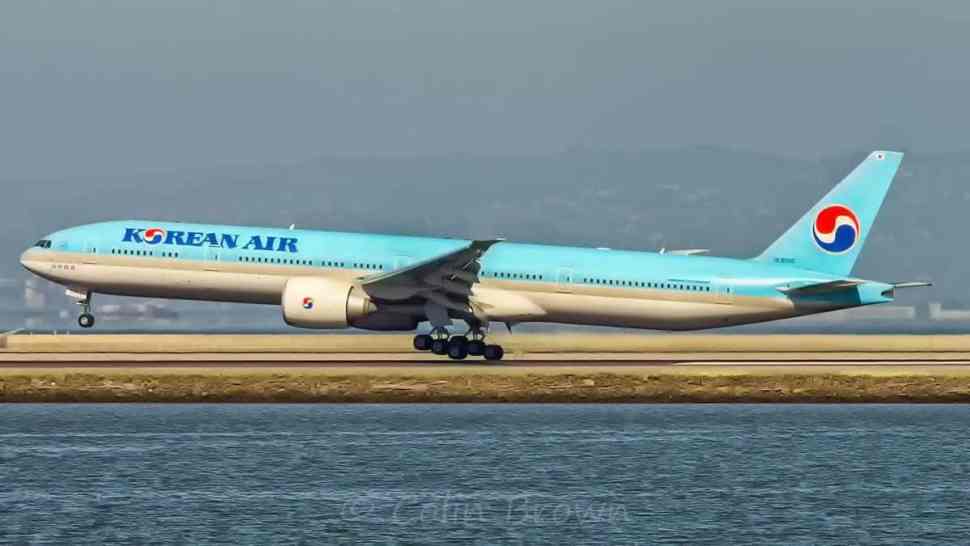
Korean Air said first-quarter cargo business increased 3.1%, measured in freight ton kilometers, compared to the same period a year ago, but it wasn’t enough to offset a 30% drop in passenger sales associated with the coronavirus outbreak that led to a $67.3 million consolidated operating loss.
The international carrier said it is securing $1.8 billion, about equally split between a new stock offering and government loans backed by cargo sale bonds, as part of a broader effort to shore up its balance sheet. Belt-tightening measures so far include placing 70% of the workforce on leave, cutting executive pay in half and selling non-core assets such as real estate.
South Korea was one of the first countries after China to fall victim to the novel coronavirus.
Korean joins a host of airlines seeking government bailouts, private financing and equity sales to have money for ongoing operations until business bounces back.
Korean Air’s first-quarter revenue fell 23%, but the relatively small operating loss was the result of many fewer flights, which reduced expenses such as fuel and payroll.
The company said further losses are expected in the second quarter because of ongoing COVID-19 spread around the world. However, revived domestic travel demand and easing of some travel restrictions by the U.S. and some European countries starting in May could help improve the revenue situation.
Cargo sales increased despite a drop in cargo capacity from the reduction in passenger flights. Korean attributed the positive results to increased operations of its 23 pure freighters, improved load factors and the use of passenger jets as cargo planes.
The ongoing capacity shortage in the freight market is expected to make cargo operations profitable in the second quarter.
“I deeply appreciate the dedication and sacrifice of our executives and employees. We are also grateful to the government of Korea, the Korea Development Bank and the Export-Import Bank of Korea for their support in these dire times,” President Keehong Woo said in a statement. “We will continue our self-rescue efforts both operationally and financially, while prioritizing the health and safety of our employees and customers at all times,” he added.
Brokerage Compliance Symposium
The day before F3. Every compliance issue you face - fraud exposure, carrier liability, FMCSA rules, cargo theft, insurance gaps - navigated by attorneys and operators defining best practices in a changing industry.
F3 Awards Dinner
The night before F3. FreightTech100 companies honored. FreightTech 25 and Shipper of Choice winners revealed live. Cocktail reception into dinner and live music - 300 industry leaders in one purpose-built room.
F3: Future of Freight Festival
Industry-defining keynotes, rapid-fire technology demos, and industry leaders networking in experiences across Chattanooga - plus the inaugural F3 Awards Dinner featuring the FreightTech and Shipper of Choice reveals.
The day before F3. Every compliance issue you face - fraud exposure, carrier liability, FMCSA rules, cargo theft, insurance gaps - navigated by attorneys and operators defining best practices in a changing industry.
The Signal at Chattanooga Choo Choo • Chattanooga, TN Register NowThe night before F3. FreightTech100 companies honored. FreightTech 25 and Shipper of Choice winners revealed live. Cocktail reception into dinner and live music - 300 industry leaders in one purpose-built room.
The Signal at Chattanooga Choo Choo • Chattanooga, TN Register NowIndustry-defining keynotes, rapid-fire technology demos, and industry leaders networking in experiences across Chattanooga - plus the inaugural F3 Awards Dinner featuring the FreightTech and Shipper of Choice reveals.
The Signal at Chattanooga Choo Choo • Chattanooga, TN Register Now