




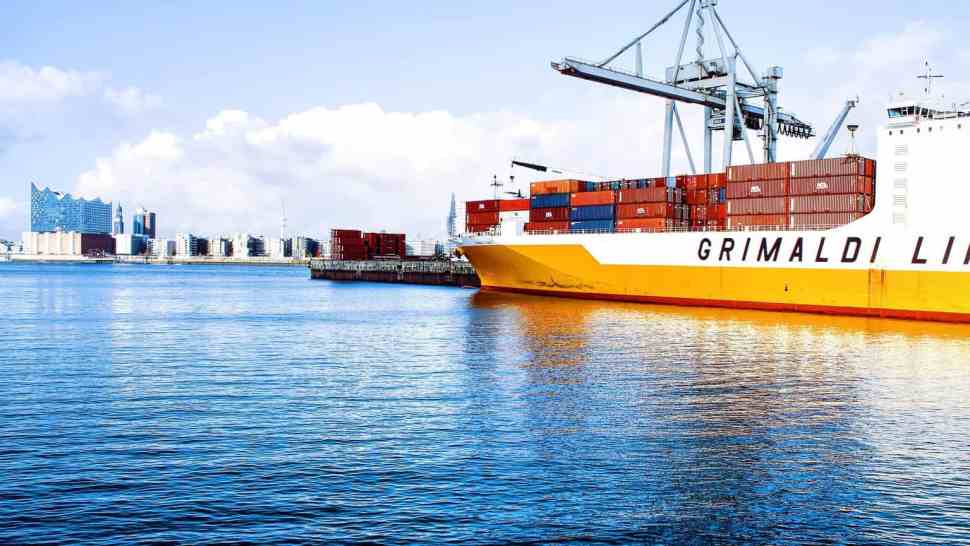
Ocean shipping amounts to 80% of the global physical trade, and contributes to 2% of the total CO2 emissions from fuel consumption every year. Fuel costs account for half of the total maritime operating costs, making the sector the single largest stakeholder concerned with fuel price inflation, which has been seeing a steady rise from last July.
The situation behind the fuel price rise is quite relatable to trickle down economics – while the shipping industry is in the direct line of fire, the end consumers would eventually feel the heat as a large part of what they consume has been on a deck at one point – finished product or otherwise.
The International Maritime Organization (IMO) had introduced Energy Efficiency Design Index (EEDI) in 2013, as a measure to reduce the CO2 emissions from the industry. Though shipping remains the most efficient form of commercial transport for every tonne of cargo being hauled, the industry is so massive that it produces more than a billion tonnes of CO2 every year. Wilting to global concerns, the IMO had instructed shipping lines to reduce their CO2 emissions gradually over a space of a decade, by mandating a 1% annual improvement in the efficiency of fleets between 2015 to 2025.
On top of this arrives the new global sulfur cap regulation that comes into effect in 2020. As per the standard, fleets would be required to limit the sulfur content in their fuel to 0.5% which could have far-reaching consequences, as this move would force fleets to seek better alternatives for fuels.
This is expected to add on to the already climbing fuel price, with Morgan Stanley predicting a constant increase for a couple more years. “The stricter regulation on the fuels used by the shipping industry will result in booming demand for middle distillates that would boost crude oil demand by additional 1.5 million bpd, potentially sending oil prices to as high as $90 a barrel in 2020,” they said in a statement.
Currently, the shipping industry uses heavy fuel oil (HFO) a residual fuel that is recovered during the extraction of crude oil. The quality of the HFO depends on the quality of the crude oil, and is usually blended with intermediate fuel oils (IFO) to achieve the consistency and quality levels as specified in IMO regulations. Right now, high-sulfur fuel oil (HSFO) used in the industry has a cap of 3.5% sulfur, seven-fold higher than the sulfur cap that has been proposed.
To meet the guidelines, the shipping lines have two alternatives – run their container lines with low-sulfur fuel oil (LSFO) that has a sulfur content which is less than 0.5% or fit their fleets with scrubbers, that limit sulfur emissions into the sea. In general, it would be a combination of both.
Scrubbing technology involves injecting water into the exhaust stream which reduces sulfur emissions drifting into the sea. Then again, fitting a scrubber on an existing ship costs millions of dollars and also would require the vessel to rest at a dock for a while, burning a hole in the financials of shipping lines. As Q1 2018 was a debacle with virtually all the major shipping lines, retiring fleets for a few months would be a horror story.
The more significant problem though is with running the fleet with LSFO. 84% of the shipping fleets presently run on HFO and changing to LSFO over the next few years would send the demand for middle distillates soaring, followed by radical shifts in crude oil refining. The Middle-East would stand to lose a lot over this regulation, as the crude oil produced in the region naturally comes with a high-sulfur content, and refining it would multiply its operating costs.
“This is going to be the most disruptive change to hit the refining industry in its history. Unlike other specification changes seen by the industry, this isn’t a little bit of tweaking,” said Chris Midgley, global head of Platts Analytics.
Over the last week, what did not come into mainstream attention was the fact that the Brent oil forward curve now trades over $60, which includes the contracts for delivery till the end of 2024. This is a significant milestone and shows the resurgence and strength of the market as it heads towards the 2020 regulation, with an unstable Venezuelan production and potential sanctions towards Iran at its wake.
Stay up-to-date with the latest commentary and insights on FreightTech and the impact to the markets by subscribing.
Brokerage Compliance Symposium
The day before F3. Every compliance issue you face - fraud exposure, carrier liability, FMCSA rules, cargo theft, insurance gaps - navigated by attorneys and operators defining best practices in a changing industry.
F3 Awards Dinner
The night before F3. FreightTech100 companies honored. FreightTech 25 and Shipper of Choice winners revealed live. Cocktail reception into dinner and live music - 300 industry leaders in one purpose-built room.
F3: Future of Freight Festival
Industry-defining keynotes, rapid-fire technology demos, and industry leaders networking in experiences across Chattanooga - plus the inaugural F3 Awards Dinner featuring the FreightTech and Shipper of Choice reveals.
The day before F3. Every compliance issue you face - fraud exposure, carrier liability, FMCSA rules, cargo theft, insurance gaps - navigated by attorneys and operators defining best practices in a changing industry.
The Signal at Chattanooga Choo Choo • Chattanooga, TN Register NowThe night before F3. FreightTech100 companies honored. FreightTech 25 and Shipper of Choice winners revealed live. Cocktail reception into dinner and live music - 300 industry leaders in one purpose-built room.
The Signal at Chattanooga Choo Choo • Chattanooga, TN Register NowIndustry-defining keynotes, rapid-fire technology demos, and industry leaders networking in experiences across Chattanooga - plus the inaugural F3 Awards Dinner featuring the FreightTech and Shipper of Choice reveals.
The Signal at Chattanooga Choo Choo • Chattanooga, TN Register Now