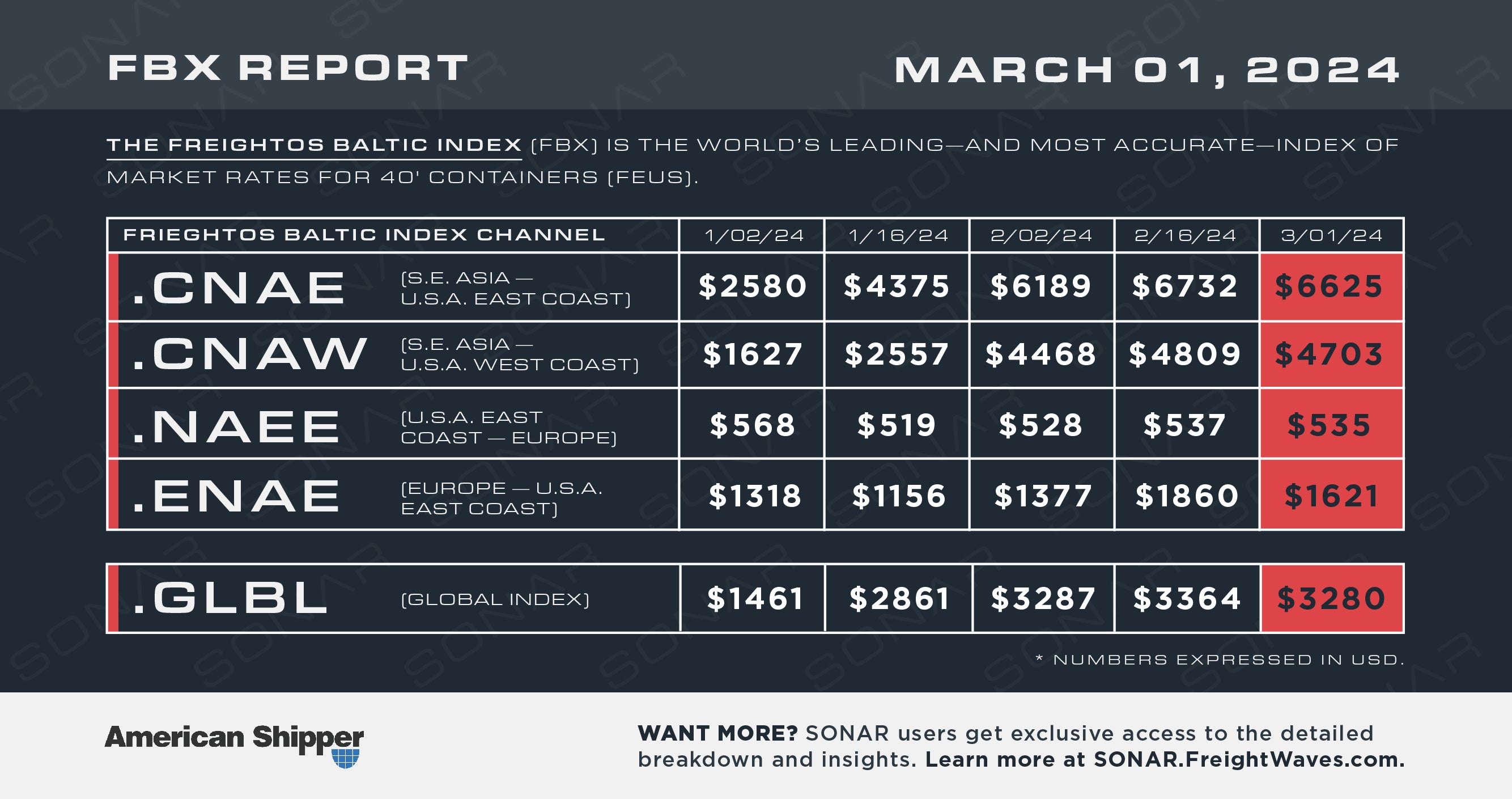
FBX Report: March 01, 2024

The March 2024 “State of the Industry Report” — presented in affiliation with Ryder — shares
an in-depth overview across the trucking, maritime and intermodal markets, as well as what to
expect in the coming weeks. The data contained within the report provides breakdowns of
capacity, volumes and rates as we enter into the first quarter.
In this report, you will find:
Download the complimentary report today to access the full insights.
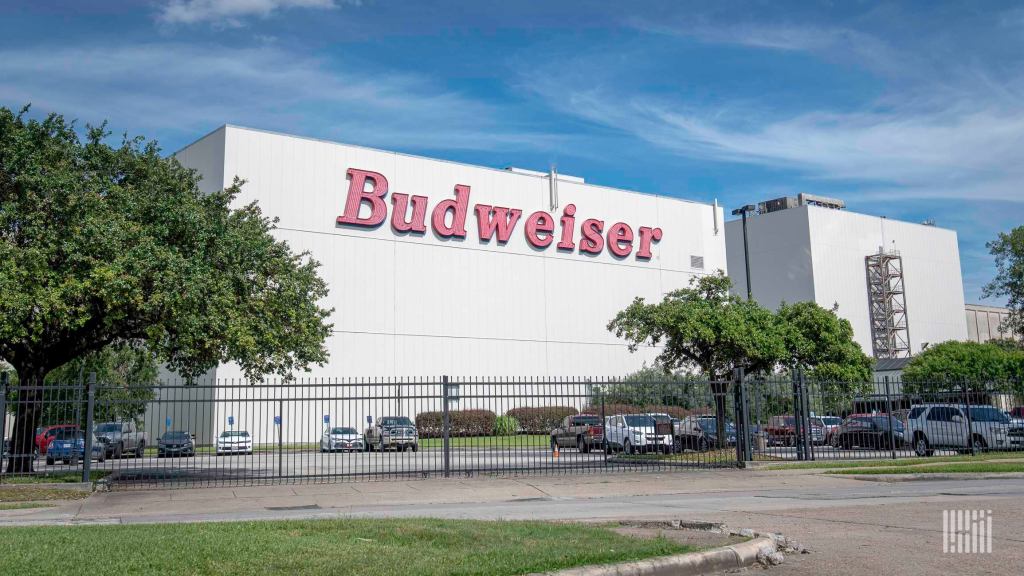
The contract agreement reached this week between the Teamsters union and Anheuser-Busch, averting a strike that could have begun Friday, calls for wage increases of $8 an hour over the five years of the deal. A $4-per-hour raise kicks in immediately.
Anheuser-Busch (NYSE: BUD) announced the deal late Wednesday. It awaits ratification in the coming days by approximately 5,000 workers across the company’s U.S. operations.
The new contract also calls for a $2,500 ratification bonus.
As to whether ratification is likely, any worker dissatisfaction with Teamsters contracts generally shows up through the dissident Teamsters for a Democratic Union (TDU), which is often critical of deals struck by the union’s negotiators. However, TDU notably was supportive of the union’s deal with UPS and more recently backed a new contract at U.S. Foods.
TDU comments on its website regarding the deal at Anheuser-Busch were noncommittal. It noted the length of the deal, the wage increases and other changes in benefits, and said only that Teamsters members at the brewery would “be able to review all contract changes before the ratification vote, which is expected to be held next week.”
The breakdown of how many of those 5,000 workers are truck drivers and warehouse employees was not immediately available from the union.
In its prepared statement announcing the contract agreement, Anheuser-Busch said the deal “builds even further upon our existing industry-leading package of wages, healthcare, and retirement benefits, and it includes significant commitments to job security.”
“At Anheuser-Busch, we have said time and again that our people are our greatest strength, and we are incredibly pleased to have reached a tentative agreement that continues to recognize the talent, dedication, and hard work of our teams, while also positioning the Company for long-term success,” Brendan Whitworth, CEO of Anheuser-Busch, said in the statement.
The Teamsters statement on the deal was more detailed. In its bullet point list of provisions in the contract, the union said that besides the hourly wage increases, the pact provides:
The Teamsters are on strike at a brewery operated by Molson Coors (NYSE: TAP) in Fort Worth, Texas. Teamsters President Sean O’Brien, celebrating the contract with Anheuser-Busch, noted that the union “continue[s] to hold the line at Molson Coors in Texas.” That company, O’Brien said, “should pay close attention to the bar we’ve set today for brewery workers across the country.”
More articles by John Kingston
Teamsters celebrate NLRB decision on STG Logistics, see path to greater unionization
A first for Werner: Small group of workers votes to unionize
XPO workers oust Teamsters at Miami-area site of groundbreaking contract

Renewable natural gas, battery-electric and hydrogen-powered trucks all target fleets switching from diesel ahead of coming regulations requiring costly additional emissions after-treatment. Which alternative will win? Possibly all of them.
Back in 2018, Anheuser-Busch placed an initial order for up to 800 Nikola fuel cell trucks. Ever so slowly, that is becoming a reality.
After numerous missteps and setbacks, Nikola produced 42 hydrogen-powered fuel cell trucks in the last three months of 2023. Of 35 delivered to dealers, most customers ordered them in ones and twos. The $450,000 trucks qualify for $240,000 vouchers from the state of California.
Longtime Nikola supporter Biagi Brothers took 10 for operations in Southern California. It hopes to apply some of its remaining 10 vouchers to add five or six more by the end of the year.
“We wanted to get in on the incentive funds,” Gregg Stumbaugh, Biagi corporate equipment director, told me. “With the $240,000 grants from California, the truck ends up being cheaper than a diesel.”
Biagi is a longtime third-party dedicated freight hauler for Anheuser-Busch with 90-100 Class 8 day cabs serving the beverage maker.
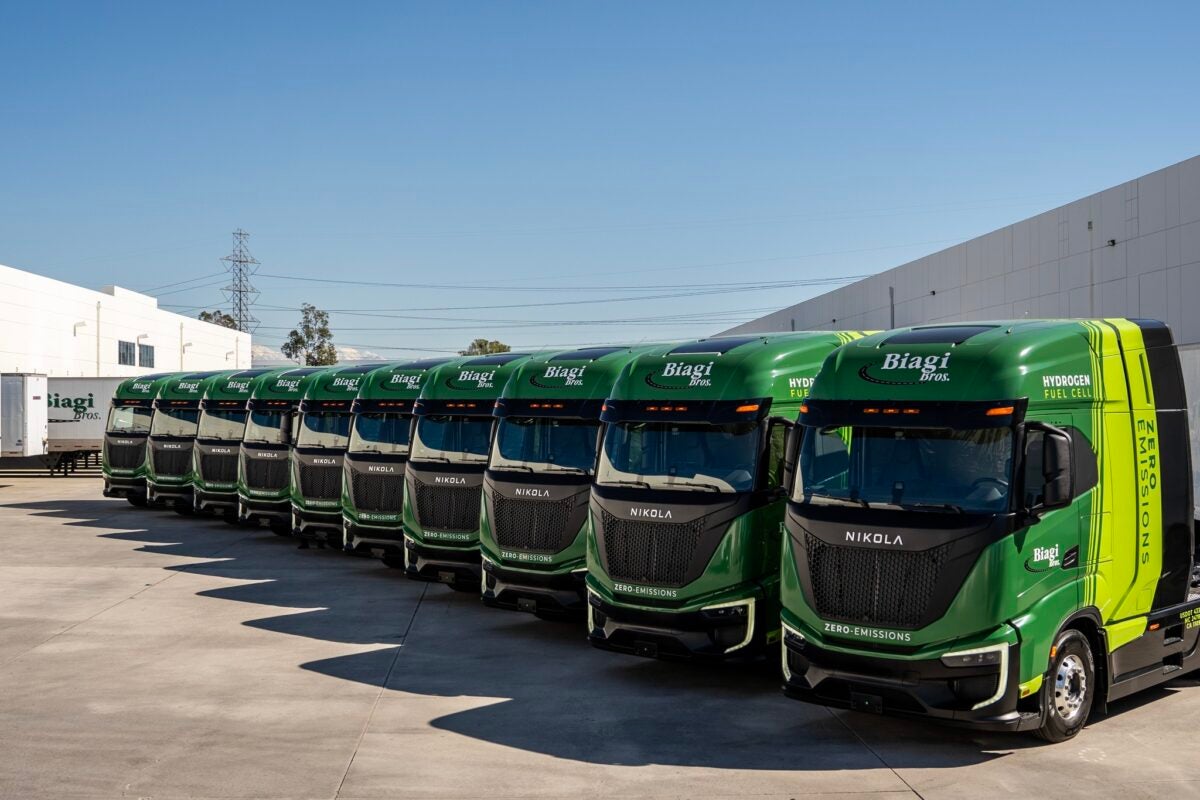
The 10 Nikola fuel cell trucks each haul 9,000 pounds of empty beer cans . They travel 145 miles from Ontario, California, to Anheuser-Busch’s Van Nuys production facility several times a day. Like the Frito-Lay snacks cubing out trailers hauled by Tesla battery-electric Semi trucks, Biagi is starting with light loads for the fuel cell trucks.
Why not haul beer?
“We’ve loaded the truck with beer — 81,600 pounds — and driven over the [Interstate 5] Grapevine. We have to be selective on what applications we use it for,” Stumbaugh said.
Biagi helped test the road worthiness during development of the Nikola fuel cell electric vehicle (FCEV). It ran two-truck pilots in 2022 and 2023. They have plenty of oomph. But the roughly 25,000-pound weight of the tractor, a 13,000-pound trailer and 9,000 pounds of empties is enough for now. A typical load of beer weighs in at 47,000 pounds. The math doesn’t work.
“Two things have to happen,” Stumbaugh said. “The truck has to get lighter or the weight allowance has to go up to at least 85,000 pounds.” Since neither is likely soon, the beer loads will move on the 22 diesel trucks Biagi deploys out of Van Nuys.
The Nikola FCEV production units replaced some of Biagi’s 16-18 compressed natural gas (CNG) powered trucks. They have been switched to other uses.
Biagi is quoting an order of 10 trucks with regular production of the Cummins X15N natural gas engine by midyear. Kenworth delivered the first X15N-equipped T680 on Feb. 20 to UPS, a longtime CNG user.
Running on renewable natural gas (RNG), smog-forming nitrogen oxide emissions should fall below expected Environmental Protection Agency standards set to take effect in 2027, according to Greg Bippus, executive vice president of sales and systems development at natural gas tank and system developer Hexagon Agility.
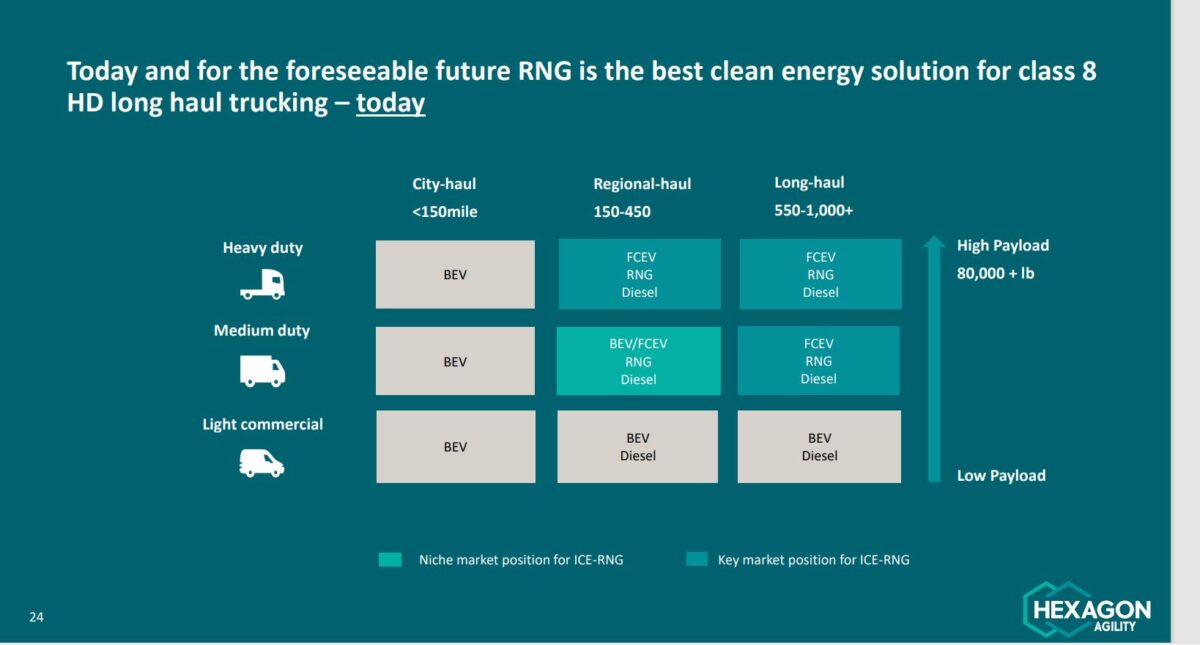
Diesel trucks will need a second after-treatment system to meet the proposed standards, he said.
Though compressed natural gas (CNG) tractors cost more than diesel units, the return on investment is a relatively quick 18 months. CNG fuel costs less than diesel. When renewable natural gas (RNG) made from dairy waste and other organic matter is used, the emissions profile can result in negative net carbon emissions.
RNG infrastructure is growing. Clean Energy Fuels Corp. is opening two new fueling stations. One is near Dallas Fort Worth International Airport. The other in south Dallas is close to Interstates 45, 35 and 20 adjacent to dozens of distribution centers. Clean Energy has more than 600 RNG fueling stations.
Cummins projects a fivefold increase in the take rate for its X15N big bore engine. It is capable of 400-500 horsepower and 1,450-1,850 pound feet of torque. It expects to make 3,000 X15N engines this year. The company sees a potential 10% penetration of the Class 8 market compared to a historical take rate of 1% to 2%.
“This is an engine that has been used over a million miles in China already,” Bippus said. “So this is a technology that’s advanced, that’s mature. And when you look at today’s heavy-duty truck fleet, 97% of all heavy-duty trucks going down the road today are still diesel. So when you talk about 10% of a 300,000-to-350,000-unit market, it’s quite significant for us.”
Hexagon is building a 113,000-square-foot addition to its plant in Salisbury, North Carolina, where it will make CNG tanks, augmenting production in Lincoln, Nebraska.
For marketing purposes, Cummins on Thursday rebranded its next-generation fuel-agnostic B6.7, X10 and X15 engines as HELM, a loose acronym for Higher Efficiency. Lower emissions. Multiple fuels.
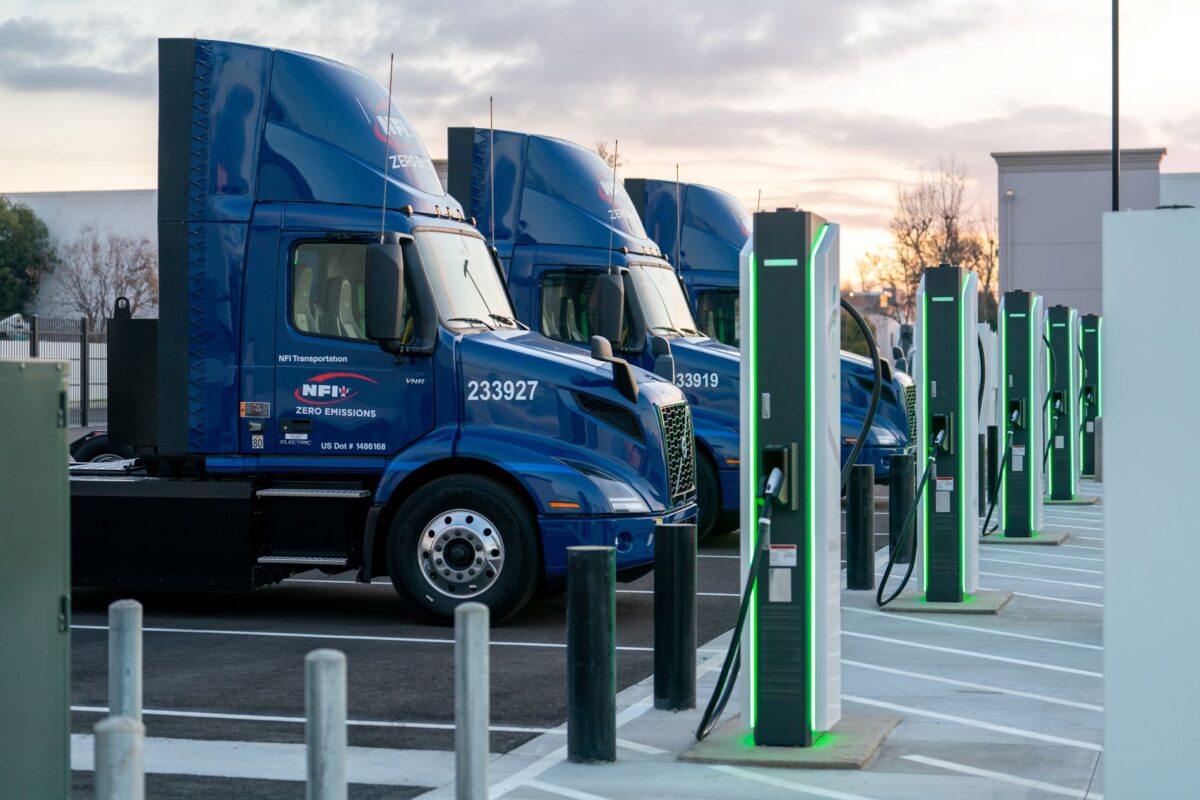
With the possible exception of the Tesla Semi, battery-electric trucks are not ready for regular long-haul use. But they are solidifying their place in port drayage. After months of delays, NFI Industries on Tuesday showed off its new — and heavily subsidized — electric truck charging depot in Ontario.
NFI uses about 90% electric trucks for drayage runs from California’s Inland Empire to the ports of Los Angeles and Long Beach. Two runs require about 220 miles of driving range, easily accomplished by its Class 8 Freightliner eCascadia and Volvo VNR Electrics.
Its battery-electric fleet collectively has accumulated more than 2 million miles, eliminating the equivalent of 307,692 gallons of diesel fuel while avoiding 3,415 metric tons of greenhouse gas emissions.
NFI and Schneider received significant incentives for 50 trucks each from the Joint Electric Truck Scaling Initiative, which received $27 million in funding from the California Air Resources Board and the California Energy Commission. Schneider opened a smaller electric depot in El Monte in June.
The NFI installation eventually will use 7 megawatts of electricity to direct-charge as many as 38 trucks at a time at up to 350 kilowatts. A solar-powered microgrid will add 1 megawatt of stationary power to the site to reduce charging at peak times.
The MirrorEye Camera Monitor System from Stoneridge that replaces bulky side mirrors will be featured on Volvo’s new VNL over-the-road Class 8 truck in 2025.
Workhorse Group has added its fifth dealer partner in California to sell its lineup of battery-electric commercial step vans and chassis.
Navistar has begun fleet deliveries of the S13 integrated powertrain in its International LT Series, its last internal combustion engine program.
S&P Global Mobility reports the U.S. commercial vehicle market grew 14% in 2023 with Class 6 leading the way at 18%.
Startup electric infrastructure provider Voltera has invested $150 million to bring its number of charging sites to 21, with plans to double that by the end of 2024.
Range Energy has $23.5 million in new funding to accelerate its work on customer pilots of its electric-powered trailers.
Kodiak Robotics is working with Martin Brower to use human-supervised autonomous trucks to haul quick service restaurant food between Dallas and Oklahoma City.
That’s it for this week. Thanks for reading and watching. Click here to get Truck Tech via email on Fridays. And catch the latest in major events and hear from the top players on “Truck Tech” at 3 p.m. Wednesdays on the FreightWaves YouTube channel.Your feedback and suggestions are always welcome. Write to aadler@www.freightwaves.com.
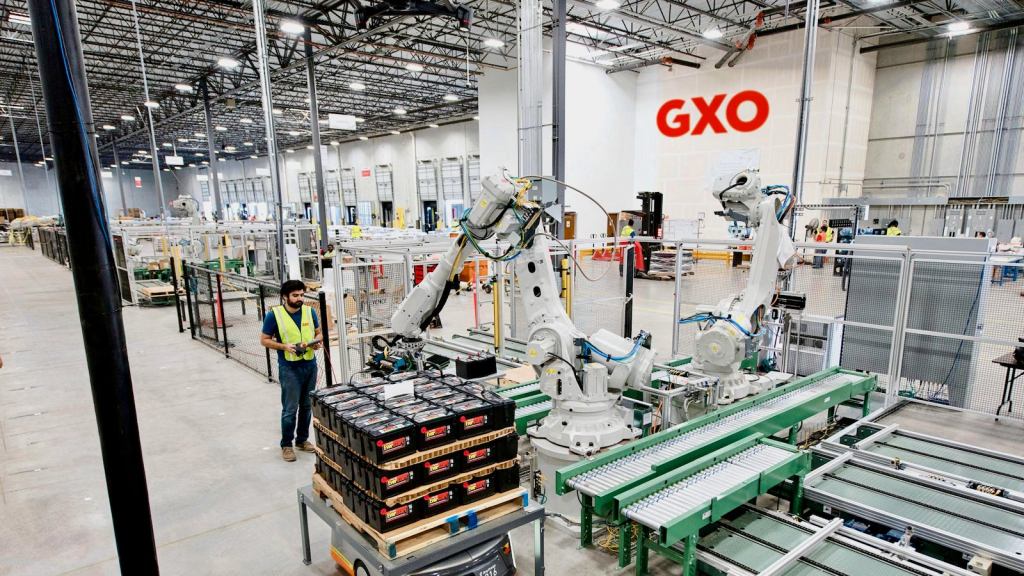
The board of U.K. logistics firm Wincanton said Friday it unanimously recommended that shareholders approve GXO Logistics Inc.’s (NYSE: GXO) $965 million all-cash offer to acquire the company.
The Wincanton board withdrew its recommendation of Ceva Logistics S.A.’s lower-priced offer for the company. Based on current foreign exchange rates, the GXO offer is priced at $7.75 a share, while the CEVA offer is priced at $6.07 per share, or approximately $764 million.
“The Wincanton directors are pleased that the public offer process, triggered by their recommendation of Ceva’s… offer on 19 January 2024, is maximizing value and delivering a significant premium to Wincanton shareholders,” the board said.
Greenwich, Connecticut-based GXO proposed its buyout offer on Thursday, two days after Wincanton’s board had recommended approval of Ceva’s proposal, which was revised higher after word went public about GXO’s possible interest in Wincanton.
Founded in 1925 as a milk hauler, Wincanton is a key player in the aerospace, electric utilities and industrial categories, verticals that GXO highlighted in its Thursday announcement.
“Wincanton is a world-class business, and we have long been impressed by their high-quality people and diverse customer relationships across key industries,” said Malcom Wilson, GXO’s CEO. Wilson added that “our superior offer reflects our conviction in the value of this business and the opportunities the combined company will realize.”
GXO, which serves 27 countries, including those in the U.K. and continental Europe, said the proposed acquisition will provide it with a “springboard” to offer industrial services across Europe. Wincanton customers will be able to leverage GXO’s network to expand their operations, GXO said.

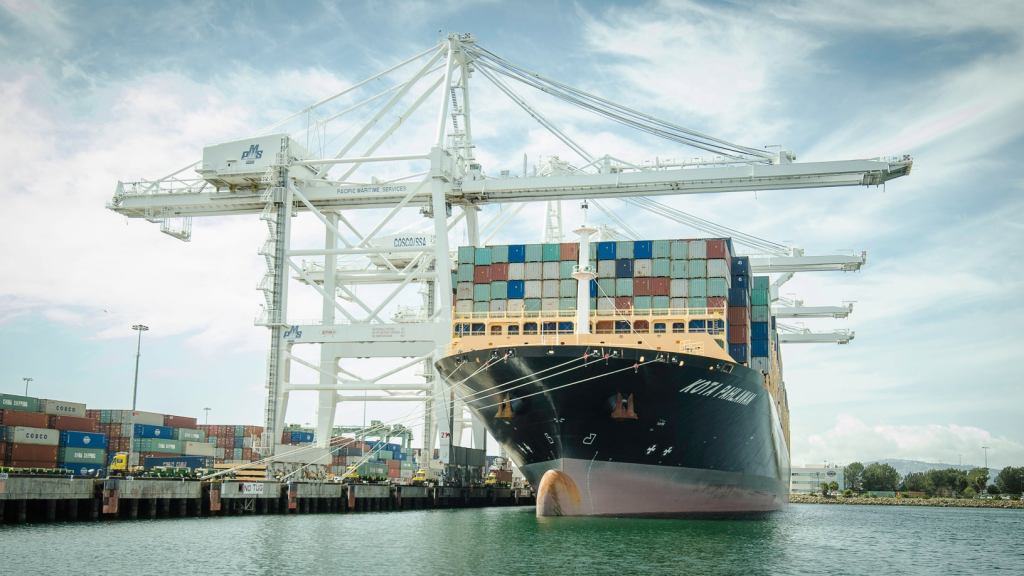
The past few years have brought plenty of questions as to whether the COVID-19 pandemic changed supply chains permanently or, once constraints eased, if supply chains would return to pre-pandemic patterns. Those answers are starting to reveal themselves as the ports release January figures.
The biggest East Coast port, the Port of New York and New Jersey, retained its place as the second-busiest port in the country in terms of loaded imports, only surpassed by the Port of Los Angeles.
On Wednesday, the Port of New York and New Jersey released January’s cargo volumes showing growth over the previous year. The port handled a total of 667,346 twenty-foot equivalent units during the month, up 3.4% year over year. The growth is a positive sign given the current backdrop surrounding the freight market, but the more impressive metric is the growth prior to the pandemic. The Port of New York and New Jersey handled 7.2% more TEUs than it did in January 2019.
January 2024 was the third-busiest start of the year on record, falling short of the pandemic-fueled inventory restocking years of 2021 and 2022.The port handled nearly 13% fewer TEUs than during the 2022 peak.
On the loaded front, the port growth was even more impressive, highlighting that the Red Sea conflict and drought conditions limiting transits through the Panama Canal aren’t having detrimental impacts on the largest East Coast port, at least not yet. The total number of loaded TEUs handled by the port was 447,514, up 2.6% y/y.
Of the 447,514 loaded TEUs handled at the port, over 75% were imports. Loaded imports at the port totaled 342,790, 5.8% year over year, making it the third-strongest January for loaded imports on record. The growth is even more impressive compared to pre-pandemic levels than overall TEUs handled at the port, as loaded TEU imports were up 18.6% compared to January 2019.
Loaded exports out of the market were the one area of weakness in January. Loaded export TEUs totaled 104,724 in the month, down 6.7% y/y. Loaded export TEUs were among the lowest on record for January, only besting 2022 levels.

The decline in loaded exports isn’t necessarily a surprise as the winter weather that swept across the country in mid-January impacted rail traffic. Inbound loaded international container volumes in the Elizabeth, New Jersey, market, which is the home to the Port of New York and New Jersey, were down 9% year over year. A boost in inbound loaded international rail container volumes at the end of December likely kept loaded export TEUs from being down lower than the 6.7%.
For much of February, loaded inbound container volumes have been lower than 2023, until the final week of the month, which will likely help boost the loaded TEU exports in March.
The rate at which empty containers are leaving the Port of New York and New Jersey continues to track well above pre-pandemic levels. The number of empty TEUs exported from the port totaled 217,878, up 4.9% year over year. That represents a 25% increase from January 2019.
On the other coast, the Port of Long Beach, California, cited a pull forward of freight ahead of the Lunar New Year. The Port of Long Beach handled 674,015 TEUs during January, an increase of 17.5% y/y.
Import growth, like at its neighboring port, the Port of Los Angeles, was extremely strong as the West Coast attempted to claw back market share from the East Coast ports. Loaded inbound TEUs at the Port of Long Beach totaled 325,339, a 23.5% increase from the previous year.
In a press release, Mario Cordero, CEO of the Port of Long Beach, said, “Retailers stocked their warehouses in January ahead of the slower import activity we typically see during Lunar New Year celebrations.”
The later Lunar New Year celebrations, starting Feb. 10 in 2024 compared to Jan. 22 in 2023, likely mean that the pull forward that drove growth in January will also help import figures in February.

Like its East Coast counterpart, the Port of Long Beach saw a decrease in exports through the port. The number of loaded export TEUs out of the port total 86,525, an 18.1% decrease from the previous year. Despite loaded export TEUs being down, the total number of TEUs actually increased year over year, as the number of empty containers being exported skyrocketed by 30.1% y/y.

Michael Lombard, president of Lombard Trucking, joined Jeremy Reymer on a recent episode of Taking the Hire Road. Lombard discussed his experience as a CDL driver, his passion for driver health and his growth as an industry influencer.
Trucking is in Lombard’s DNA. When his great-great-grandfather immigrated to the U.S. in the early 1900s, he began peddling ice out of a horse-drawn carriage in Connecticut. That operation grew into the original Lombard Trucking, one of the largest motor carriers in the Northeast at the time.
Lombard described his great-great-grandfather’s operation — which was later inherited by his grandfather — as a casualty of the Motor Carrier Act of 1980.
Lombard himself did not initially plan to revive the family’s trucking heritage. He got his start in the Marines before going to college and eventually taking a job at a warehouse. During that job, Lombard interacted with drivers and began seriously considering a career in trucking.
Shortly before his 30th birthday, Lombard moved to Texas with his new wife and got his CDL. At the same time, he became more invested in his own fitness journey. People often view wellness and trucking as incompatible at best, but Lombard was determined to create a pathway to fitness within the driver lifestyle — for himself and others.
Lombard decided to start documenting online his life as a truck driver who ran marathons. As he connected with other drivers and learned more about the intersection of trucking and health, Lombard was inspired to take up advocacy.
“The lifestyle of a driver reduces life expectancy, taking upward of 10 years off their life,” Lombard said. “Instances of chronic illness are very much escalated from the normal population.”
Lombard continued to use his platform — including a popular podcast and TikTok channel — to advocate for changes that enabled drivers to be healthier versions of themselves. That included predictable schedules and living wages. At the same time, he got a fitness certification that allowed him to feel more comfortable guiding drivers through their fitness journeys.
While Lombard has left the driver’s seat for now, his content and growing social media presence still fuel the conversation surrounding driver health and advocacy. He continues to push for change at the federal, state and local levels while encouraging drivers to invest in their own health.
“Do the hard things now, and it is going to pay off in the long run,” Lombard said.
You can learn more about Michael Lombard here.
Other highlights from this episode of Taking the Hire Road
Book recommendations: “Napoleon: A Life” by Andrew Roberts
Sponsors: Career Now Brands, The National Transportation Institute, Infinit-I, Workhound, Asurint, Transportation Marketing Group, Seiza, Drive My Way, DriverReach, F|Staff, Trucksafe

Welcome to the WHAT THE TRUCK?!? Newsletter brought to you by Dynamic Logistix. In this issue, monster storm headed for I-80; WTT headed to SiriusXM; shipping container castles; and more.
A monster storm
10 feet deep — Donner Pass, Interstate 80 and the Golden State are bracing for impact as a winter storm threatens to blanket the Sierra Nevada range with 10 feet of snow.
NBC news reports, “[Donner Pass] could experience snowfall rates of 1 to 2 inches per hour and ferocious wind gusts of 50 to 100 mph for 72 hours straight.”
Park it — With the storm expected to continue until Sunday, snowfall totals in Donner Pass could hit 10 feet. Avoid sending your drivers through the area during this. Not only will the snow be deep but the winds will be blowing fierce.
Need a place to park, driver? Check out Truck Parking Club.
WTT is headed to SiriusXM
SiriusXM
Homecoming — Starting March 11, WHAT THE TRUCK?!? will begin airing on SiriusXM’s Road Dog Trucking on Channel 146 at 5 p.m. Eastern on Mondays, Wednesdays and Fridays.
What’s that mean? The podcast and live show aren’t changing; that’ll still be Monday, Wednesday and Friday at noon ET and on demand. Road Dog will be replaying these episodes at 5 p.m. ET on those days. Now we get to extend our reach and hit a whole new drive time audience.
If you’re a guest, not only will you be heard on the regular show, on our social media and in clips, but you’ll also be replayed on radio!
We’ll also be using the slot to do some unique live events like at MATS, for example, where we’ll do both WTT in the afternoon and a live version of the radio show in the evening.
To quote Bart Scott: “Can’t wait!”
The prison of the mind
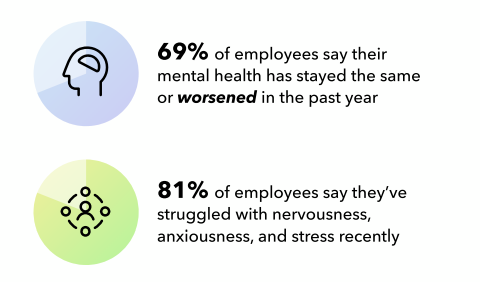
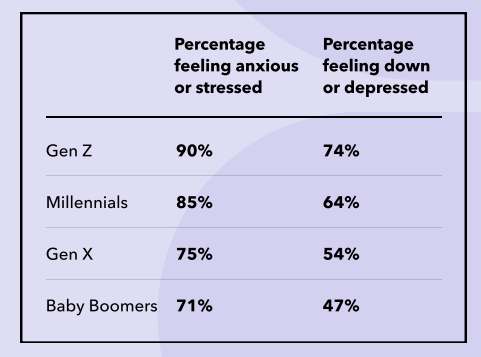
The struggle — A new report paints a stark picture of post-pandemic employee mental health. The report by Calm surveyed 4,000 employees and 150 HR and benefits leaders. Its biggest finding? Financial woes are the top stressor for employees.
Good news: HR leaders recognize this
Bad news: They don’t plan on doing anything about it for another year or two.
Tech isolation — As convenient as work from home is, the impacts of isolation are creating a lot of uncertainty among workers, especially Gen Z. I realize the trucker side of my audience may not have much empathy for the laptop class sitting at home. However, drivers themselves are well aware of what long hours alone can do to one’s head.
Tomorrow on WHAT THE TRUCK?!?, we welcome the founders of 32 Truckers A Day to the show. The charity gets its name from the statistic that 32 truck drivers either contemplate or commit suicide on any given day. We’ll find out how they’re helping drivers contend with mental health issues. Hopefully, both truck drivers and desk drivers can take something away from that.
Read Calm’s full report here.
How’re you all feeling? Stressed, accomplished, isolated, fulfilled or depressed? Email me.
What’s stopping you from living here?
A shipping container fit for a king — Who knew shipping container homes would be so controversial among the freight class. I asked the community why their passion for freight hasn’t translated into a shipping container castle home, and here’s what you had to say:
The rest of the noise
J.B. Hunt announces Shelley Simpson as Chief Executive Officer, President (LinkedIn)
Range Energy receives new funding for electrified semi trailers (Power Progress)
WTT Friday
Logistics of playing pickleball in the ocean; a trucker charity; bad WMS — This Friday on WHAT THE TRUCK?!?, I’m talking to Via Croatia President Zvonimir Androić about their crazy idea to play pickleball at sea. How does that even work? We’ll learn all about the logistics behind the experience.
32 Truckers a Day is a charitable organization that focuses on truck driver mental health. The group gets its name from the statistic that 32 truck drivers a day either contemplate or commit suicide. We’ll meet their founders and learn how drivers can get help.
Yard Management Solutions’ Collin Mansfield discusses trends in yard management, why RFID is on the way out and bad WMS.
E2open’s Pawan Joshi breaks down the data driving ocean shipping and manufacturing. Is an uptick in freight headed to our shores?
Plus, latest news, weirdness and trends.
Catch new shows live at noon EST Mondays, Wednesdays and Fridays on FreightWaves LinkedIn, Facebook, X or YouTube or on demand by looking up WHAT THE TRUCK?!? on your favorite podcast player.
Now on demand
The largest autonomous inventory management platform in the world
Thanks for reading and feel free to forward this to a friend.
Subscribe to the show
Or simply look up WHAT THE TRUCK?!? on your favorite podcast player.
Don’t be a stranger,
Dooner

Insurance is one of the top expenses for a carrier, behind fuel and maintenance. Premiums for each carrier vary wildly based on a number of factors, such as years of experience, average cost of goods hauled, driving record, etc. One of the factors carriers can’t control is insurance rates that are based on the state where they are domiciled.
Carrier insurance is regulated at the state level. The Federal Motor Carrier Safety Administration requires that all carriers have liability insurance, and there are some commonalities in the rules across all states.
Reliance Partners Executive Vice President of Sales, Jackson Alexander, explained the three requirements that must be met for insurance companies’ rates to be approved.
“First, rates must be adequate, meaning insurance companies have to charge enough to collect enough premium in order to be able to pay out claims,” Alexander said. “Second, rates must not be excessive, meaning rates can’t be too high to where insurance carriers are earning excessive profits. Finally, rates cannot be unfairly discriminatory, meaning you cannot charge higher rates based on race, gender, etc.”
But beyond those basic similarities lie stark differences in rules and regulations from state to state. Those differences include the impact on rates based on where a carrier is domiciled.
Most recently a law has been enacted in New Jersey requiring at least $1.5 million of liability insurance for motor carriers domiciled there. The New Jersey law and laws in other states raising coverage minimums can cause those states’ insurance rates to rise significantly, increasing disparities.
In fact, the question of where a carrier is domiciled can be a key factor in whether a state has relatively higher or lower insurance premiums for motor carriers.

Moreover, courts in plaintiff-friendly states like California, New York and Louisiana often award much larger payouts in lawsuits related to trucking than other states do. Because of this, insurance commissioners in these states force insurance companies to file higher rates to make sure they collect enough premium to be able to pay claims, according to Alexander.
Still, there are areas where carriers can take steps to mitigate rising costs, which vary widely even among carriers within a given state despite regulation by state insurance departments.
“Individual loss data for the motor carrier is arguably the most important factor when insurance carriers determine how much they are going to charge,” Alexander said. “CSA [compliance, safety, and accountability] scores is another one that is extremely important. Each ‘alert’ a motor carrier has in one of the seven BASICs [Behavior Analysis and Safety Improvement Categories] can cost on average an additional $500-1,000 in insurance premium per truck per year.”
It boils down to hiring the right drivers, having the right equipment and technology in the trucks, such as telematics, cameras, etc., and emphasizing safety to hold down potential increases in rates. Motor carriers can also choose to increase deductibles to reduce premiums as more of the risk is now on them versus the insurance carrier when deductibles are raised.
Meanwhile, the future of insurance rates will continue to rely in significant part on what each state’s lawmakers and regulatory agencies decide. It’s likely that more states will go the route of New Jersey and require carriers to increase liability coverage to $1.5 million. At the federal level, the FMCSA minimum remains $750,000.
Should additional states take New Jersey’s approach, it could increase the exit of motor carriers from an even more cost-prohibitive market.