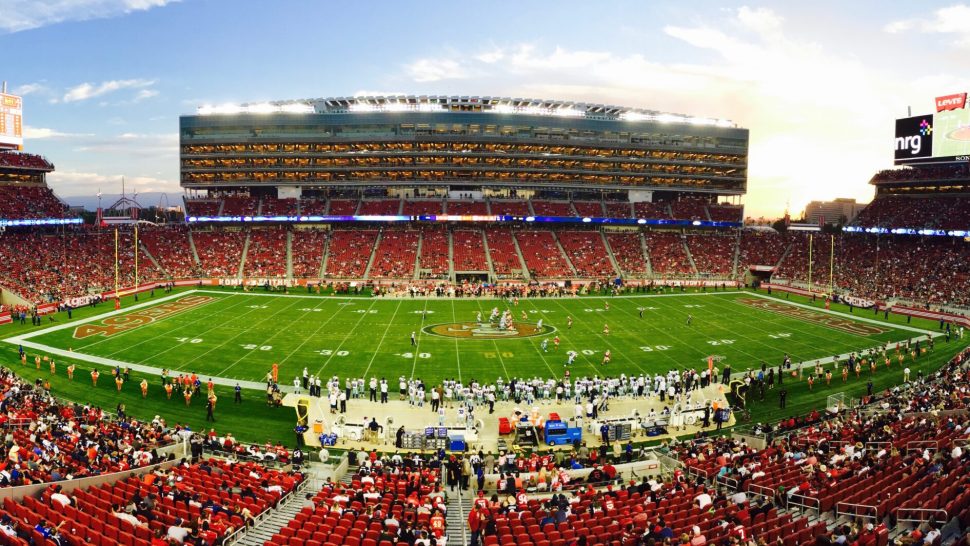
As the Seattle Seahawks and New England Patriots converge to Levi’s Stadium to compete in Super Bowl LX, a massive logistical operation is culminating to fuel fans across the country.
The goods moved and costs associated with food and beverage consumption for the game are staggering, supported by a highly coordinated supply chain.
Truckloads of chicken
Americans are projected to eat 1.48 billion chicken wings while watching the game, according to the National Chicken Council. Transporting that many wings would require a convoy of more than 3,400 fully loaded semi-trucks.
Additionally, United Press International reported that about 130,000 tons of avocados were shipped from Michoacán, Mexico, to meet rising demand for guacamole. This is an increase of nearly 20% from last year.
Beer remains a gameday favorite, and it’s estimated that Americans drink over 325 million gallons on Super Bowl Sunday.
This level of consumption comes at a significant cost. The National Retail Federation forecasts that total spending on food, drinks, apparel, and decorations will reach a record $20.2 billion, which averages out to $94.77 per person watching. 79% of that spending will be on food and beverages.
Snackflation
Innova Market Insights stated that consumers may face “snackflation,” as prices for chicken, beef, chips, and pizza often spike for the event. In spite of this, the National Chicken Council reports that retail prices for fresh chicken wings are down 2.8% year-over-year.
The logistical effort to get these products to stores, venues, and homes is immense. For last year’s Super Bowl in New Orleans, data from Truckstop showed over 240 active freight lanes funneled goods into the city, with load volume jumping 38% in the week before the game.
The Houston-to-New Orleans route was the busiest, and refrigerated trucks were in high demand for temperature-sensitive cargo. Hundreds of trucks were required just to deliver concessions to the stadium itself.
F3: Future of Freight Festival
Industry-defining keynotes, rapid-fire technology demos, and industry leaders networking in experiences across Chattanooga - plus the inaugural F3 Awards Dinner featuring the FreightTech and Shipper of Choice reveals.
Industry-defining keynotes, rapid-fire technology demos, and industry leaders networking in experiences across Chattanooga - plus the inaugural F3 Awards Dinner featuring the FreightTech and Shipper of Choice reveals.
The Signal at Chattanooga Choo Choo • Chattanooga, TN Register Now