




Joanna Marsh
Thursday, January 5, 2023
US freight rail traffic slips nearly 3% in 2022
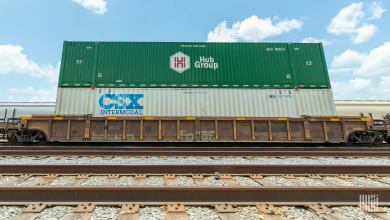
U.S. freight railroads moved fewer volumes in 2022 than 2021 amid declines in intermodal traffic, according to recent industry data.
U.S. freight railroads moved fewer volumes in 2022 than 2021 amid declines in intermodal traffic, according to recent industry data.

CN boasts record Canadian grain volumes, Watco completes a Texas terminal expansion, and the Association of American Railroads and the Intermodal Association of North America detail volume ups and downs.

Freight and passenger rail carriers must develop actionable items to prevent a cyberattack from crippling the rail network, according to a new TSA security directive.

Railroad intermodal volumes are down, but consumer spending remains relatively strong. Carloads of coal are up, but forest products are down. Whether these volume changes reflect broader macroeconomic slowing remains less clear.
A nationwide rail strike has been averted as the railroads and unions have reached a deal.
Uncertainties over whether union members will go on strike next Friday are causing the U.S. Class I railroads to embargo certain shipments and tell customers to expect delays.

The Association of American Railroads estimates that a nationwide strike could cost about $2 billion each day, while shippers groups rally Congress to intervene in the event a strike seems imminent.
In proposing a minimum train crew size of two members, FRA reverses its stance that crew size questions should be left to the railroads and the unions.

Union Pacific is seeking to extend its tests on wheel temperature detectors, but the Transportation Trades Department disagrees with the way UP wants to deploy the technology.

The Federal Railroad Administration has established a Climate Challenge initiative, which is targeting net-zero greenhouse gas emissions for the industry by 2050.
Congress should fund the Surface Transportation Board, agreed panelists at a U.S. House hearing on the board’s funding reauthorization. But they disagree on what STB’s role should be in regulating the freight railroads.
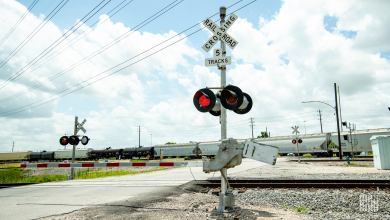
From executive transitions at Union Pacific and Pacific West to January rail volumes to new offerings in the MoW lessor space, here are some news items rounding out the week.
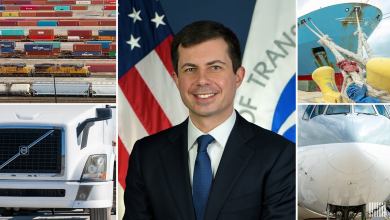
Freight transportation experts weigh in on Pete Buttigieg’s one-year mark as the secretary of transportation.
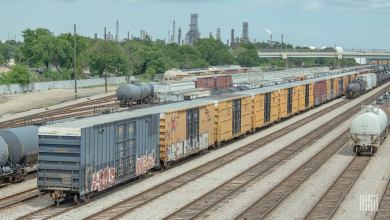
Despite being stymied by labor shortages and lack of equipment such as chassis in the second half of 2021, U.S. intermodal volumes were actually pretty high considering the yearly total.
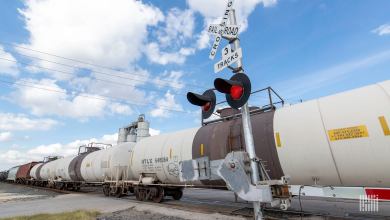
Infrastructure and capacity expansion projects, regulatory uncertainties and progress toward supply chain visibility and sustainability are the themes that rail and intermodal stakeholders have set their sights on in 2022.
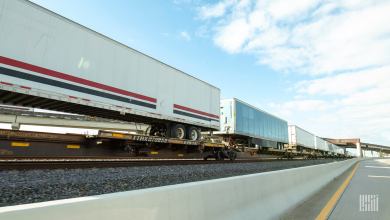
The nation’s key railroad lobbying group did not like the original House infrastructure bill but has praise for the final product.
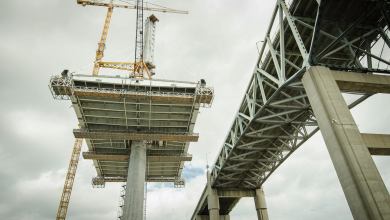
Congress approves provisions allowing under-21 truck drivers – as well as guidance on truck brokers and freight dispatchers – in a five-year highway bill that is part of a larger $1.2 trillion infrastructure package.
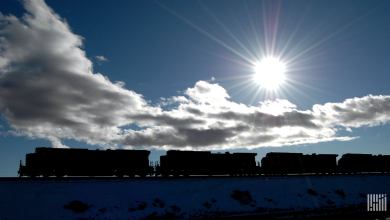
A private investment firm’s acquisition of a MOW services company, AAR’s environmental nods and Lineage’s new cold storage warehouse round out the rail roundup.
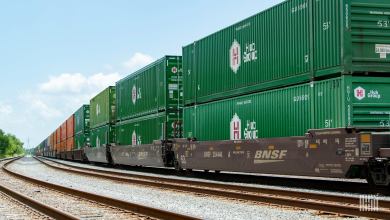
The Association of American Railroads applauds the 24/7 approach to container operations, which the association says is similar to the way freight railroads function.
Intermodal rail volumes were lower again year-over-year in September as the ability to process containers and imports is stymied by ongoing supply chain capacity constraints.