





Noi Mahoney
Wednesday, July 8, 2020
Mexico’s automotive manufacturing industry stems bleeding
Mexican auto factories exported 196,173 vehicles in June, a 38.8% decline compared to the same period in 2019.
Mexican auto factories exported 196,173 vehicles in June, a 38.8% decline compared to the same period in 2019.

Tesla has submitted an application in Austin, Texas, for $68 million in tax incentives to build a proposed 5 million-square-foot manufacturing plant.

Because of strained supply chains, will just-in-time delivery be used less by industry? Darren Prokop explores this topic in his latest commentary.

Borderlands is a weekly rundown of developments in the world of United States-Mexico cross-border trucking and trade. This week: Trucking sector wrestling with fragile freight rates and loose capacity; XPO Logistics to layoff 243 employees; Mexico’s auto manufacturers restarts factories, but a few are still waiting; World Trade Bridge officers intercept narcotics worth more almost $1 million.

As car manufacturers resume production, the trickle-down effect may breathe new life into the hard-hit auto hauling industry.
The Mexican government issued a new decree on Thursday causing confusion among companies as to when they will be able to restart U.S.-linked supply chains.

The decline in cross-border freight is linked to the closure of truck-making and auto parts plants across Mexico to contain the coronavirus, as well as the March 30 executive order by Mexican President Manuel Obrador to close all nonessential businesses.
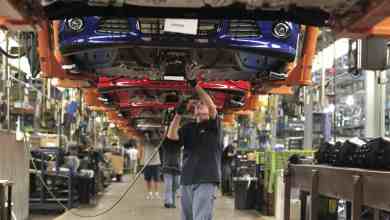
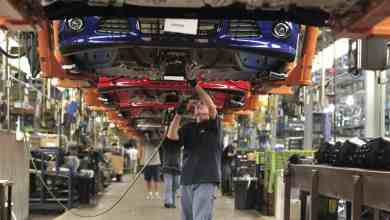
The coronavirus pandemic has caused a sharp drop-off in demand for tires and cars, causing manufacturers across North and South America to furlough workers and implement partial factory shutdowns.

Borderlands is a weekly rundown of developments in the world of United States-Mexico cross-border trucking and trade. This week: Mexican trucking officials discuss cross-border goals; CBP finds $590,000 of meth in shipment of stone items; Mexican automotive industry’s 2019 foreign investment: $3.9 billion; Helion targets car and heavy-duty truck dealers around Dallas.
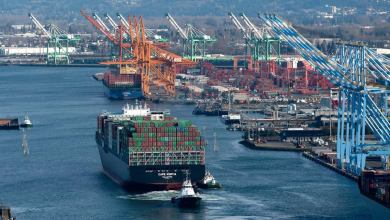
The trade war between the U.S. and China caused companies to adapt supply chains and the transportation of their products. Darren Prokop writes about those changes and their impacts.

Companies that have been outsourcing and far-sourcing their supplies might now look to source closer to their assembly line to have flexibility during times of disruption.

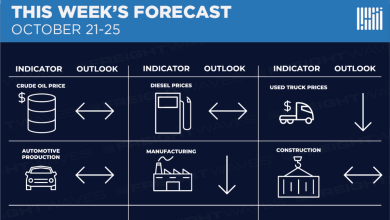
Manufacturing outlook: The coming week will give some insights into the outlook for manufacturing activity in the Northeast region via the Empire State Manufacturing Index. The overall segment remains depressed and sustained rise is not expected through the first quarter. Construction outlook: There will be updates for housing and construction from housing starts, building permits, […]

In a recent auto awards function in Germany, Elon Musk outlined Tesla’s plans of setting up its fourth Gigafactory in Berlin.
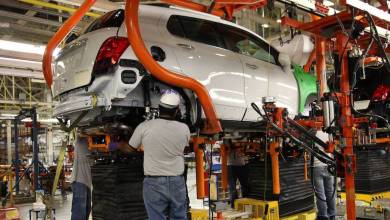
The United Auto Workers (UAW) strike against General Motors (GM) continues to take a toll on its Mexico-based facilities. GM announced October 7 it was temporarily laying off 415 workers at its plant in the Mexican city of Ramos Arizpe, around 200 miles from the U.S.-Mexico border. The Ramos Arizpe plant, which is located in […]
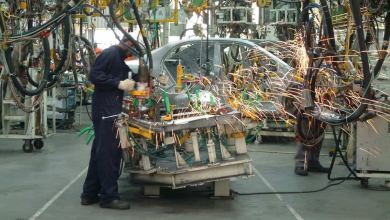
The Indian economy is crumbling on the back of an engineered crisis brought on by current government through measures like demonetization, a botched attempt at unifying the country’s tax system, and economic reforms that stifled consumerism.

General Motors halted operations at two maquiladoras (factories) located in the Mexican city of Piedras Negras, a consequence of the ongoing strike by 49,000 autoworkers in Detroit. The two maquiladoras – known as the Lear and EKM maquiladoras – assemble components used in the manufacture of vehicles made by General Motors, according to El Financiero. […]
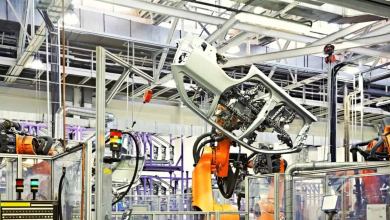
German auto industry is going through an economic crisis; Waymo carriers 6,000 passengers in its first month of autonomous taxi service; e-scooter market witnesses a slump in growth.

Tariffs starting June 10 at 5 percent to escalate to 25 percent by October 1.

Trump now threatening tariffs against Mexico while trade groups claim cross-border supply chains still at risk.