




Emily Ricks
Friday, June 26, 2020
Passenger Flights: China-United States
To view the full article, click here.
To view the full article, click here.
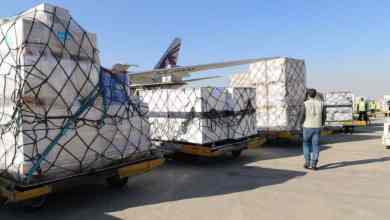
Face shields, gloves and hand sanitizer were yesterday’s hot airfreight product. Now the cool shipments that people need right away are yoga pants, bikes and hot tubs.
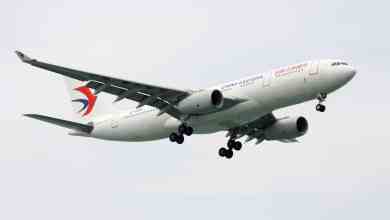
The U.S. Department of Transportation says it won’t entertain requests from Chinese airlines to operate more flights beyond the current cap.
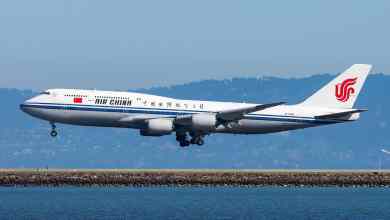
The U.S. is loosening restrictions on flights by Chinese airlines after China partially reopened its aviation market to U.S. carriers.
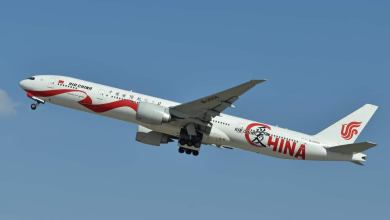
Air cargo and cross-border trade could be unintended victims of the dispute between the U.S. and China over access by their respective passenger airlines.

Escalating airfreight transportation rates and capacity shortages from China due to the global pandemic have encouraged some shippers to split supply chain shipments between ocean and air pallets.

vHub, which connects owners of underutilized trailers with those looking for short-term trailer usage, has opened its platform to integration with most telematics systems. Also, China trade deal in doubt, retail imports fall and road funding drops.

Continental is shutting down its Roadlog ELD service, as of Aug. 14. Plus, FreightWAVES LIVE@HOME is one day away, Trump pushes severing of supply chain from China, and Walmart launches two-hour delivery.

Uncertainty beyond loss-making second quarter concerns Daimler leaders, though robust supply chain and cash position suggest fast production ramp-up when economy recovers

In this commentary by Brian Aoaeh makes the case that efforts by grassroots organizations in the fight against COVID-19 should be more fully accepted.
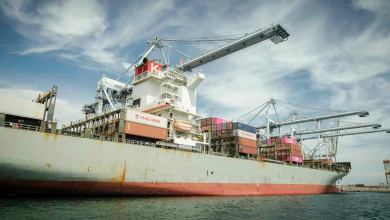
The maritime shipping companies have been able to increase their rates amidst the COVID-19 induced shut down. Is this a sign of things to come for domestic carriers?
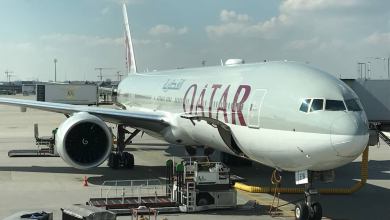
Most airlines using passenger planes for cargo-only operations are doing so on a charter basis. Qatar Airways will operate scheduled rotations to and from China.

Crew members evacuated from container ship, tested for coronavirus and hospitalized in China.

Workers at an Amazon warehouse are protesting conditions while Instacart workers are walking off the job amid coronavirus concerns. Plus, truck drivers are scared, but still delivering and Americans learn the value of the supply chain.
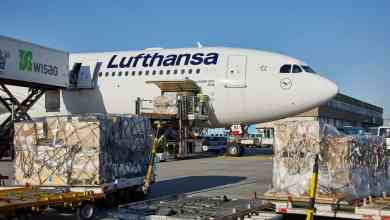
The February downturn in air cargo volumes presages even worse performance in the coming months, according to analysts.
Executive Director Gene Seroka said the coronavirus has not impacted landside operations.

Deutsche Post World has lowered its guidance for the year and cited Amazon’s continuing insourcing of logistics as a major reason. Plus, Goldman Sachs is predicting a 5% contraction in the economy, labor shortages could hamper restocking of shelves, and the Fed slashes interest rates.
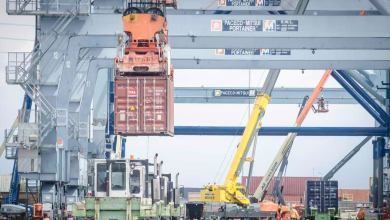
Import volumes are showing the first signs of recovery since the initial decline in early February.

“As an industry representing brands and retailers, we do not tolerate forced labor in our supply chains,” said five large U.S. apparel and footwear associations.
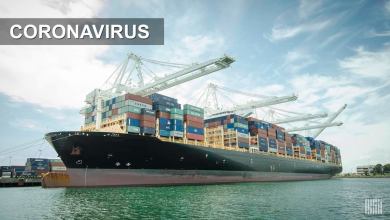
Preparedness is essential when it comes to the coronavirus or other supply chain disruptions, experts say