Trump says US plans tax breaks, investment in shipbuilding
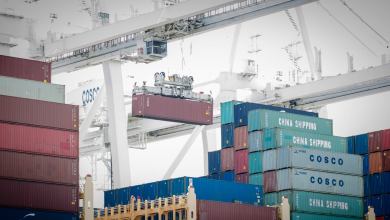
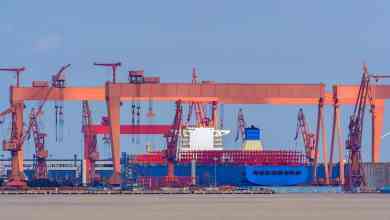
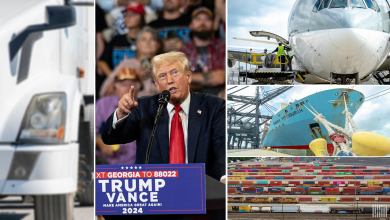
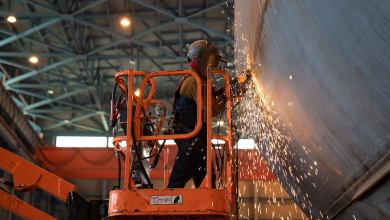
President Donald Trump told Congress that the United States plans a range of incentives to revitalize domestic military and commercial shipbuilding.
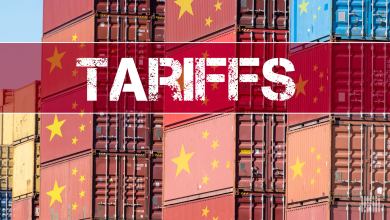
President Donald Trump signed an executive order Monday to raise tariffs on imports from China by an additional 10%.
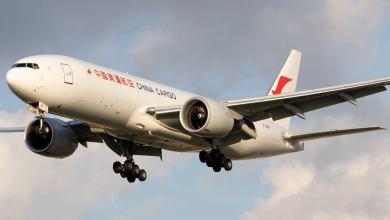
Air cargo’s hot run had to cool off at some point, but new U.S. trade measures against Chinese parcel shipments mean the industry could be in for a surprisingly quick reversal of fortune.
After months off frontloading by importers that boosted prices, container rates on the trans-Pacific are declining following Lunar New Year, said analyst Freightos.
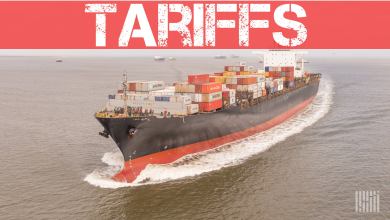
Shipping companies may reroute Chinese-built vessels to Mexican ports to avoid Trump’s proposed fees on Chinese commercial ships.
In another aggressive move against China’s shipping dominance, the Trump administration has proposed fees on Chinese ships calling U.S. ports.
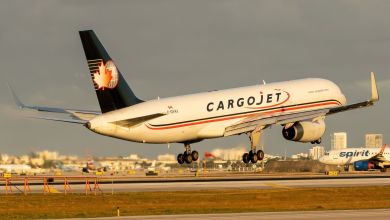
Cargojet is focusing more on charter business as e-commerce retailers and other companies seek dedicated airlift, which helped boost revenue more than 30% in the fourth quarter.
Rep. Rosa DeLauro says the Trump administration has retreated from removing a lucrative tariff exemption for low-value e-commerce goods made in China. In its haste to crack down on duty evasion and fentanyl smuggling, the White House made the situation worse, she says.
China’s share of U.S. manufactured goods imports is falling, while Vietnam’s and Mexico’s are rising.
The developing U.S.-China trade war will likely keep eastbound trans-Pacific container rates elevated as shippers pull imports forward.
The Trump administration will temporarily allow de minimis shipments to resume until it can establish procedures for collecting taxes on the low-value imports.
The U.S. Postal Service has reversed its decision to stop receiving parcels from China and Hong Kong.
The U.S. Postal Service has stopped accepting parcels from China and Hong Kong.
The cross-border e-commerce logistics ecosystem, including cargo airlines, is bracing for a downturn in business after the U.S. moved to ban low-value Chinese imports from qualifying for zero duties.
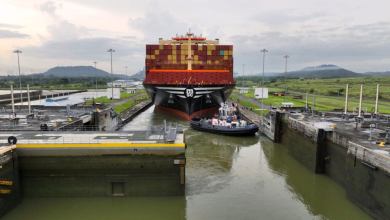
Lawmakers on Capitol Hill discussed whether Chinese influence was violating Panama Canal neutrality at the expense of U.S. international trade.
This week in Borderlands: Trump tariffs could raise consumer prices in short term, expert says; TransPak expands logistics operation in Texas; Logisticus Group opens supply chain facility near Phoenix; and Grupo Lintel plans $83 million logistics park in central Mexico.
Canada, Mexico, China and other nations are formulating plans in response to President Trump’s proposed tariffs that could take effect Feb. 1.
An investigation by the United States trade representative found evidence of wide-ranging plans by China that have helped it dominate the global ocean shipping and shipbuilding industries.
President Trump said he was considering Feb. 1 as a start date for tariffs against Canada and Mexico, directing federal agencies to assess compliance with recent trade agreements.
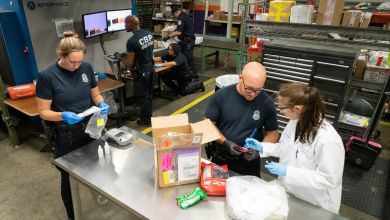
The Trump administration plans to end the expedited entry clearance benefit for parcels valued below $800, targeting Chinese e-commerce platforms but also impacting small U.S. importers.