




Greg Miller
Sunday, February 27, 2022
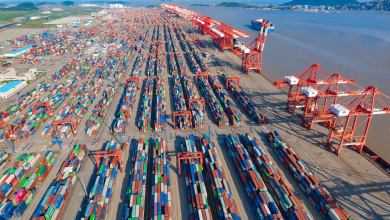
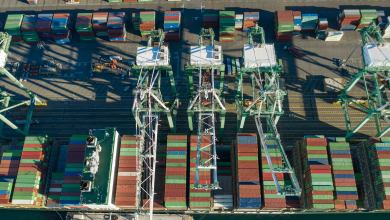
Just how extreme is China’s lead in the container port business?
The container port business is booming and the big are getting bigger, particularly in China.
The container port business is booming and the big are getting bigger, particularly in China.

Break bulk cargo with commodities of plywood, steel and rubber boosted volumes at U.S. Gulf Coast ports in January.

The Biden administration has outlined 62 policy initiatives affecting trucking, rail, and maritime in a one-year vulnerability assessment.
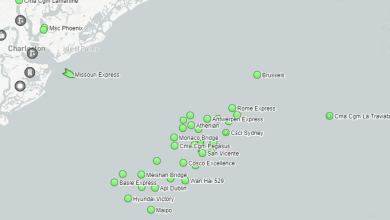
There are now more container ships waiting off East and Gulf Coast ports than there are off Los Angeles/Long Beach.
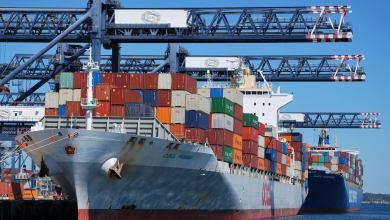
Several trade and transport groups claim ocean carriers should lose special antitrust privileges and face stricter regulatory enforcement of shipping laws.

Tanker and dry bulk trades could be disrupted; container shipping faces heightened risk of cyberattacks.
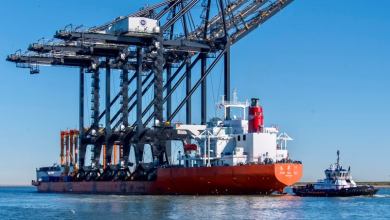
Port Houston’s steel cargo exports recorded a 1,874% year-over-year increase.

The more ocean shipping is in the news, the more attention it gets from tech founders and investors.

The Freightos Baltic Index (FBX) is the world’s leading—and most accurate—index of market rates for 40′ containers.

After last year’s historic run-up, factories are producing fewer containers and pricing of new boxes is down.
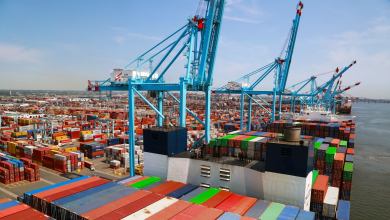
A one-on-one talk with the head of maritime operations for the Port of New York/New Jersey.

Jefferies analyst Randy Giveans maintains that container shipping stocks still have a lot more room to run.

Xeneta CEO Patrik Berglund explains how carrier negotiating power has changed the annual contracting equation.

Long-term contract rates are at record highs. Shipping lines hold all the cards at the negotiating table.
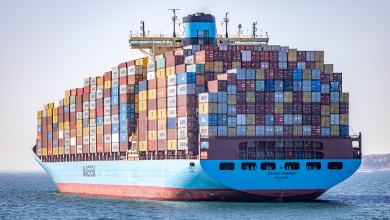
COVID container boom continues: Maersk may earn even more this year than in record-trouncing 2021.
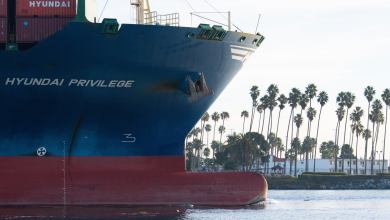
The number of ships waiting off Los Angeles/Long Beach fell 23% over the past week.

The cost of ship fuel looks like it’s about to topple records set in 2012 and 2008.
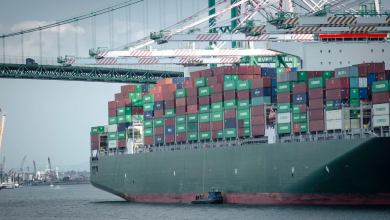
Bipartisan legislation introduced in the U.S. Senate would give maritime regulators power to shift the carrier-shipper balance.
Accusations fly as shipping lines rake in billions, but the numbers imply more carrier competition, not less.

Barring an economic downturn, U.S. demand could still be squeezing ports a year from now.