





Greg Miller
Tuesday, December 7, 2021
COVID-era shipping stocks: The (super) good, the bad and the ugly
Container, dry bulk and tanker stocks are down from recent highs. Temporary setback or something more?
Container, dry bulk and tanker stocks are down from recent highs. Temporary setback or something more?
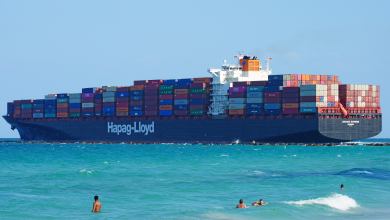
A container vessel made an emergency call at a Mexican port so sailors could seek medical attention for COVID-19.
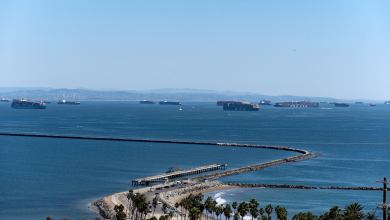
Marine Exchange now counts ships waiting farther out to sea, confirming just how big the backlog really is.

Atypical ways to help employees feel supported and invested in by the company, Walmart’s new container plan, and quarterly analysis of 3PLs.

The Freightos Baltic Index (FBX) is the world’s leading—and most accurate—index of market rates for 40′ containers.
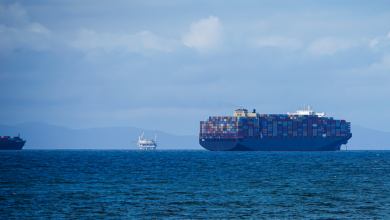
Despite claims to the contrary, the ship backlog is not getting smaller. Vessels are waiting on both sides of the Pacific.
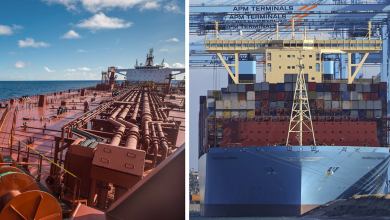
Here’s how omicron variant could impact tanker, container and dry bulk shipping rates.
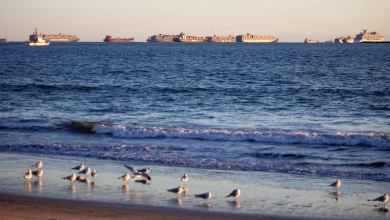
Record number of container ships waiting but they’re harder to see, as new plan spreads queue across Pacific.
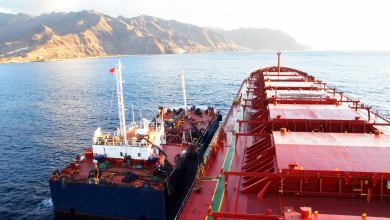
Price of low-sulfur fuel is rising faster than high-sulfur fuel. Ships with scrubbers stand to gain.
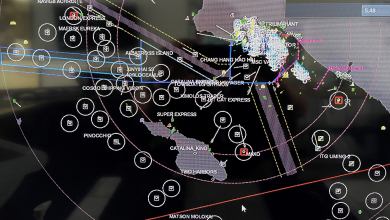
Ship arrival data confirms seasonal surge to Southern California has ebbed — even as port congestion has risen.
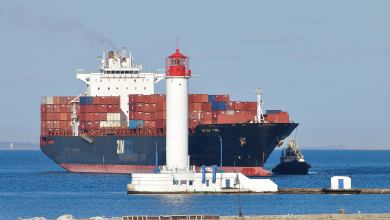
Zim’s profits are still going up — way up — despite more vessels getting snared in West Coast port gridlock.

16 companies control 80% of the world’s liner shipping, container production and box-leasing capacity

The Freightos Baltic Index (FBX) is the world’s leading—and most accurate—index of market rates for 40′ containers.
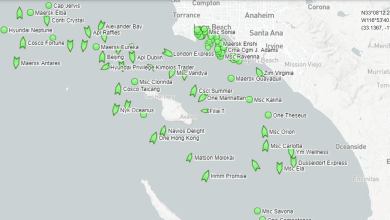
Los Angeles and Long Beach hold off on charging highly controversial fee on import containers.
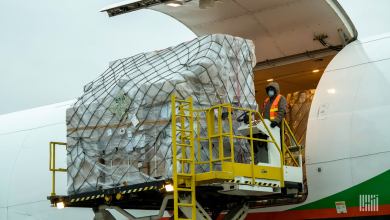
Air transport is usually the mode of last resort because it is expensive. The pandemic has turned that thinking upside down.
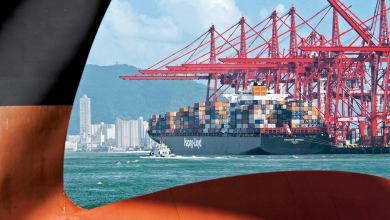
Rates expected to remain strong into 2022, fallout from new ship deliveries in 2023-2024 to be muted.
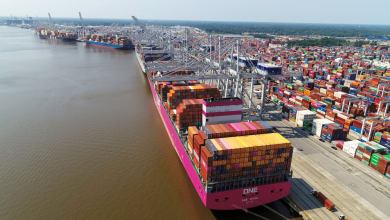
Desperate times call for desperate measures, and Georgia port officials are pulling every lever possible to reduce shipping delays that are having a national impact.

Just five days before emergency SoCal container fee is set to begin, offshore traffic jam reaches new heights.
A small number of non-U.S. entities determine vessel and container levels for U.S. ocean supply chains.

Port congestion forced container ships to go faster. Congestion remains extreme, yet ships are slowing down.