FMC keeps spotlight on ocean forwarder, consolidator concerns
COVID-19 may have disrupted supply chains but not the U.S. Federal Maritime Commission’s regulatory and policy focus on ocean container shipping, FMC chairman says.

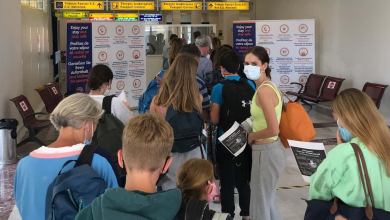
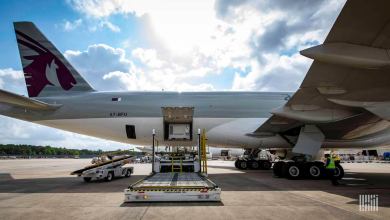
Whether or not President Donald Trump’s optimism about an October surprise comes to fruition, there could be an approved coronavirus vaccine next year. A giant flotilla of all-cargo planes will be deployed to deliver the medicine around the world, but airlines are already short of capacity and there isn’t yet enough refrigerated infrastructure to safely store that much vaccine. Airlines are issuing a call to action.
The viability of the airline industry is at stake because COVID has mostly wiped out passenger travel. The group’s global trade association is pleading with governments to help airlines with rule changes and financial aid.
Many postal services were underfunded prior to the coronavirus pandemic and now have extra demands for their service. UN agencies involved in air transport and postal operations want governments to help postal logistics with financial aid and operational flexibility.
U.S. passenger travel seems capped at about 70% of last year’s level until there is a coronavirus vaccine. International travel is a dumpster fire — carriers heavily exposed to international markets will take longer to fix their balance sheets.
To view more FreightWaves infographics, click here.
The flagship Japanese airline joins other transportation and technology providers to develop urban freight delivery capabilities with drones.
The trans-Atlantic may not be the dominant container market, but it remains dependable for hungry ocean consolidators and forwarders.
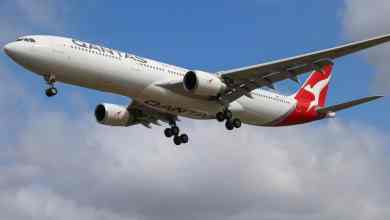
International travel is Qantas Airways’ bread-and-butter business, but it has been mostly wiped out by the coronavirus crisis. Now that underutilized side of the company is getting folded into the domestic unit to save money.
Shipco Transport and its container freight station subsidiary ICT have adopted Vector Software to reduce human contact and on-site paperwork processing as the coronavirus persists.
The first of 31 giants of the sky in British Airways’ fleet says goodbye.
The International Air Transport Association is preparing to eliminate about 400 jobs as airlines pinch pennies because of the coronavirus pandemic.
To read the full article, click here.
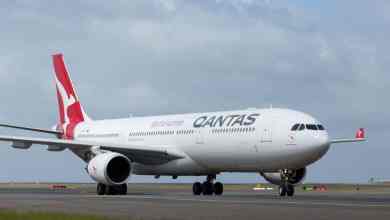
Qantas Freight got permission to bring back employees in Melbourne after they were sent home a week ago to contain the spread of the coronavirus.
PayCargo has become a force in the online payment of freight transportation bills and now offers coronavirus-impacted shippers and forwarders credit lines to smooth their cash flow.
To view more FreightWaves infographics, click here.
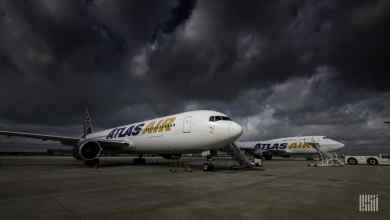
Atlas Air Worldwide’s big cargo planes have been in flying full tilt since the novel coronavirus metastasized in March. Combine that with high rates and you’ll understand why r revenue and profit grew so much in the second quarter.
To view more FreightWaves infographics, click here.
Deutsche Post DHL saw a significant rise in e-commerce activity during the second quarter due to continued COVID-19 travel restrictions and retail store closures.
The state of Victoria in Australia has declared a COVID-19 emergency and is shutting down nonessential businesses. Qantas Freight is pausing operations at its warehouse because of a health issue.