




Alan Adler
Sunday, April 11, 2021
What does negative net zero carbon mean?
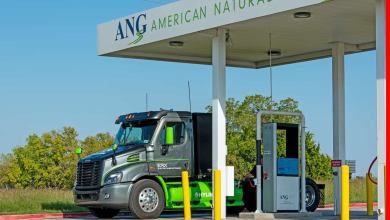
Capturing wastewater, farm and food waste to make biogas can prevent planet-warming methane emissions from going airborne.
Capturing wastewater, farm and food waste to make biogas can prevent planet-warming methane emissions from going airborne.
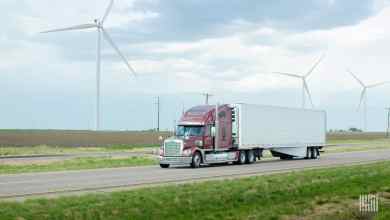
The average truck’s carbon footprint is 201,834 kilograms or 223 tons of carbon dioxide per year.

Scope 3 emissions are often left out of corporate emission-reduction goals and disclosures, but “they have to be on someone’s books,” said Lila Holzman, senior energy program manager at As You Sow.

Even though the EPA has relaxed some reporting requirements, trucking fleets that cut corners on environmental regulations could face large penalties for non-compliance.
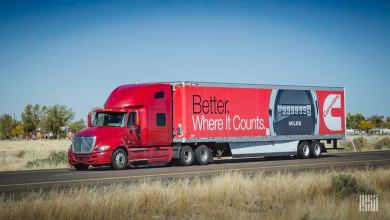
Cummins says Dynamic Skip Fire for diesel engines is promising in reducing smog-forming emissions in line with CARB and EPA goals to lower nitrous oxide pollution from heavy-duty trucks.
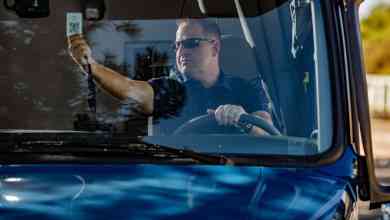
Lytx has announced a new technology that allows drivers to simply scan a QR code to be identified and assigned to a vehicle. Plus, the unemployment rate could top 30%, the next coronavirus stimulus package could include infrastructure, and the EPA is set to roll back fuel economy standards.
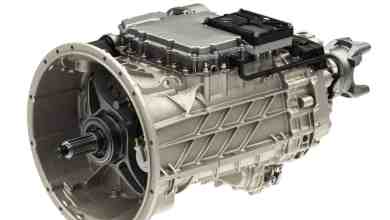
In a peak demand year for Class 8 tractors, high-powered engines dominated under the hood, but even a new heavy-haul transmission from Eaton and Cummins doesn’t affect an accelerating trend toward smaller displacement as tougher emissions standards loom.
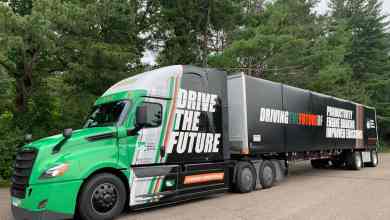
Jacobs Vehicle Systems is introducing a new engine brake designed for lower rpms as well as two new technologies for improving fuel economy and reducing cabin shake upon engine shutdown. This specially wrapped truck will tour the country in 2020 to showcase the technologies.
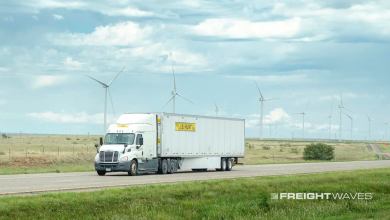
The EPA named its annual SmartWay Excellence Award winners on Oct. 7, 2019. J.B. Hunt is one of 72 companies to be honored this year, but is one of just five companies that have been honored 10 times. Schneider National, Swift Transportation, Lowe’s Companies, and Kimberly-Clark Corporation are the others.

California moved as expected Friday, Sept. 20, to sue the Trump administration over stripping its waiver to set tougher emissions standards for passenger cars and light-duty trucks than the federal government.

Manufacturer installed diesel engines in construction equipment that failed to meet emissions standards under the Clean Air Act when imported into the U.S. from 2012 to 2015.
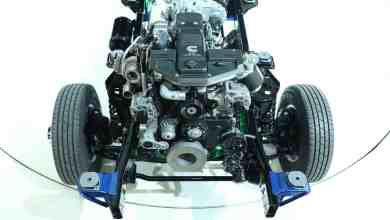
Cummins is reviewing is emissions certification and compliance process following questions from EPA and CARB. The company did report strong earnings and a record number of engines shipped in the first quarter.
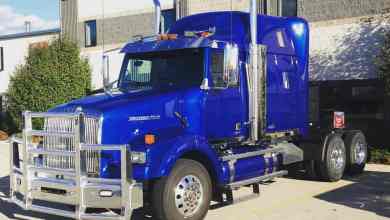
Results of two audits could affect current quotas of glider truck kits.

If confirmed, the new DOJ deputy could bring with him from DOT potential deregulatory influence.
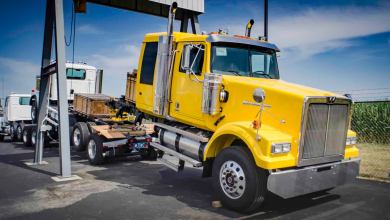
Glider kit investigations initiated by Democrats and Republicans are expected to be concluded in early 2019.
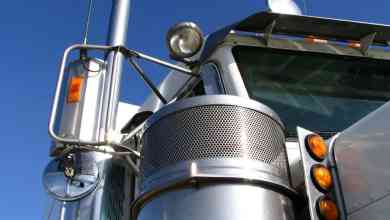
There is no timeline for implementation of any new NOx rulemaking, but there are a couple of key questions that must be answered: What will the limits be and how much will this cost?
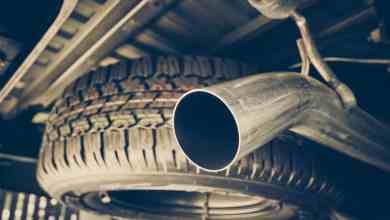
EPA is looking to update pollution regulations for commercial trucks after 20 years; oil prices fall to one-year lows; U.S. import levels have declined slightly across all major retail container ports.
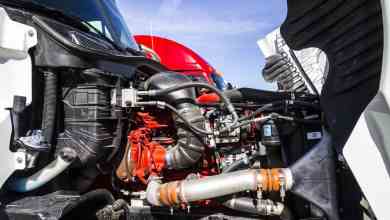
In a surprise move, the Environmental Protection Agency has announced the Cleaner Trucks Initiative (CTI), which will try to rein in oxides of nitrogen (NOx) emissions from commercial vehicles.
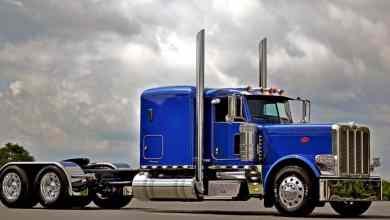
Tennessee Tech has acknowledged that the results of its controversial glider kit study were “inaccurate.”
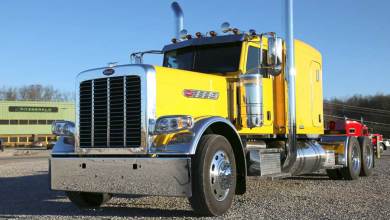
The underlying science of glider kit emissions was the topic of a hearing on Thursday in Washington, although opponents of glider kits were not part of the panel.