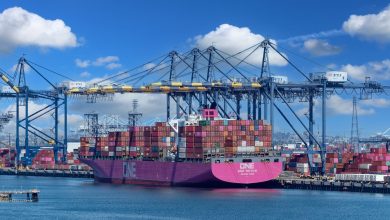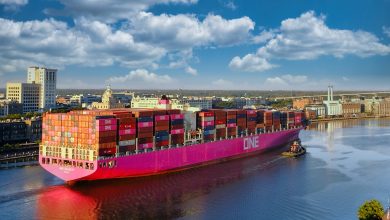
Shipping line ONE’s profits plunge but still top pre-COVID levels
“It is extremely difficult to announce a reasonable business forecast at this time,” said ONE, citing container shipping market uncertainties.

Because container liner profits plummeted off an extraordinarily high peak, some carriers are still posting hefty profits despite huge declines.
Despite ongoing controversy over shareholder treatment, analyst Michael Webber says shipping is doing a better job.
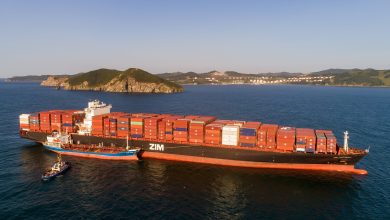
After rapidly expanding its fleet during the boom, ocean carrier Zim is backpedaling and shedding ships.
Container lines did not manage post-boom vessel capacity as well as expected. In the trans-Pacific, they may be belatedly getting the hang of it.
Expectations for peak season have waned, but container lines may have bounced off the bottom.
Spreads between high- and low-sulfur fuels are down to pandemic levels and LNG has become much more economical.
Shipowners have invested billions in the LNG fuel option in the belief that it will benefit regulatory compliance and the environment.
U.S. rail imports from Vancouver and Prince Rupert are imperiled again. ILWU Canada has rejected the proposed dockworkers contract.
Shipping stocks in sectors with high deliveries of new ships are doing better than those with low orderbooks.
Tanker shipping sanctions compliance is getting a lot more complicated as the price of Russian crude oil rises.
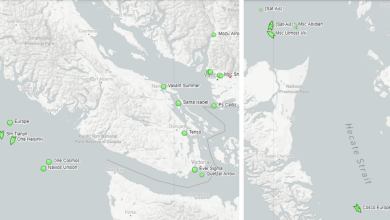
The extended strike in western Canada was beginning to affect U.S. supply chains. Its resolution limits the fallout.
Sulfur pollution addressed by IMO 2020 created a health risk, but that pollution had a cooling effect, which has now been reduced.
The agreement should keep tanker and bulker orders in check, while increasing the risk of a future carbon tax on container shippers.
June volumes of containerized imports were higher than normal and the National Retail Federation predicts more gains ahead.
U.S. imports via Canadian ports face rising fallout as the war of words escalates between dockworkers and employers.
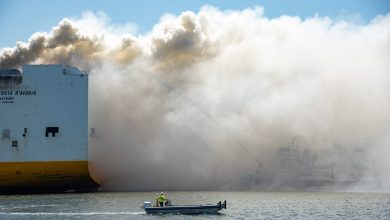
New Jersey container imports are unscathed “so far” but the port’s automobile trade faces fallout from the ongoing fire.
Sluggish demand is capping shipping lines’ income. In response, at least one carrier is reportedly moving to limit losses on legacy charters.
Declining demand for Chinese exports and reduced stimulus options threaten bulk commodity import prospects.
The Wagner mutiny is drawing attention to what happens after the war in Ukraine ends. When it does, shipping will see major changes.