Controversy swirls over shipping stocks that sink as rates rise
Concerns over highly dilutive share offerings by microcap shipowners have been building for years. The debate just intensified.
Trans-Pacific spot shipping rates remain under pressure, slumping back again as U.S. import demand comes up short.
The International Energy Agency predicts Asia will buy growing volumes of U.S. crude through 2028. That’s good news for supertanker demand.
The U.S. supply chain has dodged a bullet. A new dockworker labor deal will keep the peace at West Coast ports.
“Patience is wearing thin. Neither side imagined it would take this long,” says the head of the Port of LA on dockworker contract talks.
Mainstream European tanker owners that are willing to load Russian oil are far outperforming the broader market.
This year’s peak season could see West Coast labor disruptions coincide with Panama Canal water levels impeding cargo flows to the East Coast.
Dockworkers who keep West Coast cargo flowing are highly paid. Their bid for even higher pay is starting to affect the cargo flow.
Demand remains tepid, yet shipping lines have pushed spot rates off the bottom and secured contract rates above spot levels.
The dockworkers’ union and terminal employers are still sparring over wages and benefits more than a year after contract talks began.
Five years after bringing dry bulk freight futures to the masses, Breakwave makes a splash in tanker investing.
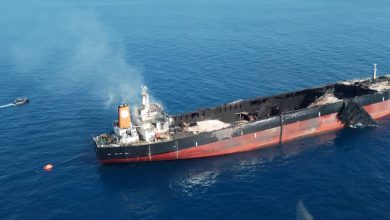
Older ships are being kept in service longer in pursuit of profits, heightening the risk of accidents and spills.
Despite a slow Memorial Day start, summer demand is expected to hike tanker rates in the months ahead.
Not all cargo markets are back to pre-COVID “normal.” Container shipping rates to South America remain elevated.
Large liquefied petroleum gas tankers are riding high on rising U.S. exports and higher Chinese import demand.
Bed Bath & Beyond “failed to manage its own supply chain” and “exacerbated the bottlenecks faced by other shippers,” alleges OOCL.
Zim outperformed competitors on the way up and is falling faster than other carriers on the way down.
Europe faced a potentially disastrous energy shortage after war broke out. LNG shipping played a vital role in limiting the fallout.
Outsize profits are still flowing to companies like Danaos and Costamare that lease ships to container lines.
The container shipping party is over — that’s old news. Yet headlines continue to focus on comparisons to the peak.