




Brielle Jaekel
Tuesday, June 6, 2023
‘The dark of the moon on the 6th of June’
For truckers and 1970s country, the C.W. McCall hit “Convoy” shares a fun look into CB radio terminology.
For truckers and 1970s country, the C.W. McCall hit “Convoy” shares a fun look into CB radio terminology.
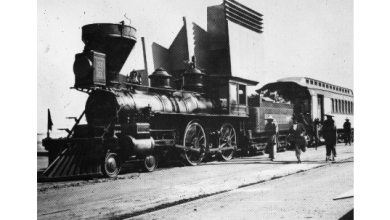
The Pacific Railway Act of 1862 brought about the first transcontinental railroad. Check out the photographs and illustrations that depict what it was like to work on the railroad at the time.
The second part of this account of Revolutionary War naval hero John Paul Jones includes a dramatic battle on the seas and how Catherine the Great and Benjamin Franklin fit into the story.
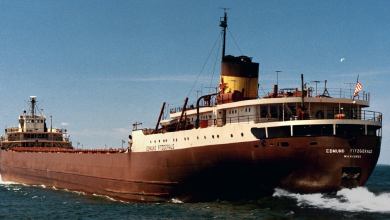
In light of Gordon Lightfoot’s passing, FreightWaves Classics looks at the Edmund Fitzgerald tragedy, as well as whether Lightfoot’s song about the incident is historically accurate

Naval officer John Paul Jones’ story sounds like a scene from “Pirates of the Caribbean,” but the true story of the “Father of the American Navy” includes its share of amusing twists and turns.
While the Panama Canal has played a crucial role in maritime shipping, its construction was fraught with problems. This episode of Tracks Through Time takes a look back on the 119th anniversary of the start of construction.
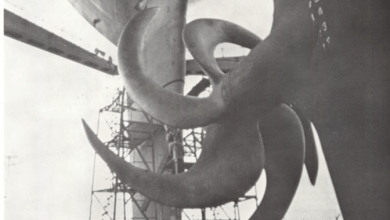
In 1975, two identical ore/bulk/oil (O/B/O) ships underwent efficiency experiments. During one of these experiments, a new propeller concept broke midjourney, but the ship continued its duty with no changes in performance and the crew had no idea until it reached its destination.
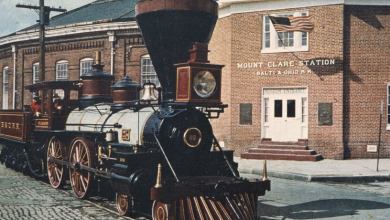
The endless stories that make up the history of transportation and freight are chronicled in some of the most riveting nonfiction books, but they almost read like novels. Here are the five favorites for the FreightWaves Classics team.

American Shipper in May 1974 took a look at charges for the handling of freight, which were largely unrecorded if they existed at all before the Civil War.
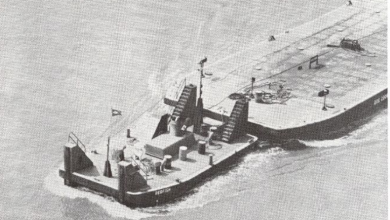
Today, automation can mean launching a fleet of autonomous robots that can unload shipping containers without human intervention. In 1974, a remote-controlled “bow boat” was considered a major launch.

In 1977, news of the looming threat of a strike by a union of dockworkers was prevalent in the pages of American Shipper magazine. The publisher at the time ended the April issue that year with an opinion piece discussing the threat.
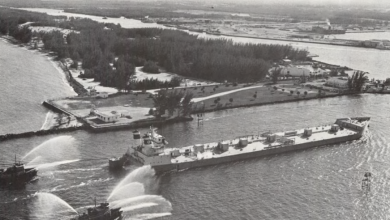
In 1975, American Shipper originally covered the launch of the “catamaran-tug,” which completed its maiden voyage to Port Everglades with a 42,000-ton cargo of gasoline for Shell Oil Co.
In 1990, Martin Scorsese directed acclaimed gangster flick “Goodfellas,” captivating audiences with the story of a famous heist. The movie was loosely based on the 1978 heist of a Lufthansa airplane’s cargo, and the true story is even more unbelievable than the script.

Daylight saving time was enacted on Feb. 9, 1942. Some believe the reasoning behind it is no longer relevant and the practice should be discontinued, but how did it start in the first place?
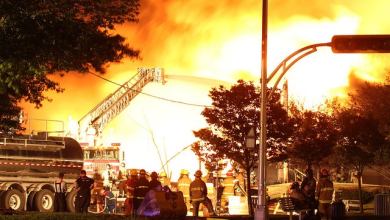
As the United States focuses on the disaster unfolding in Ohio after the Norfolk Southern train derailment, here is a look back at some of the worst train disasters in history. The incidents highlight the importance of safety and infrastructure.
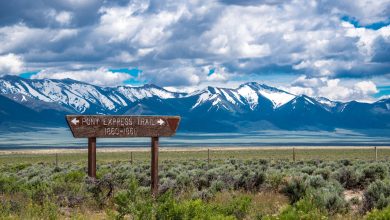
The Pony Express lasted only one year and was a financial failure. So why are we still talking about it today?
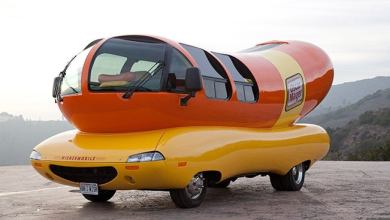
Debuting in 1936, the Oscar Mayer Wienermobile was created as a marketing device and to transport the company spokesman. The unique transportation method went on to symbolize the meat brand and 21st century Americana.

Imagine drowning in a flood of molasses that entombed you as it hardened. That’s what 21 people suffered in 1919 when the storage of molasses in Boston went awry.
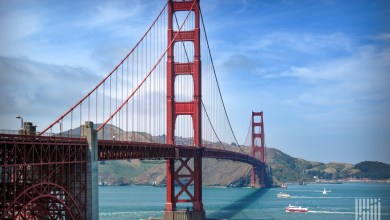
From tragedy to unprecedented feats, the Golden Gate Bridge is an important part of American history in freight, transportation and architecture.
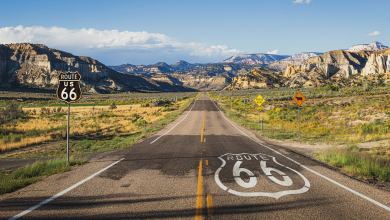
So much of the history of the United States can be traced back to Route 66, including major growth in the trucking industry.