




Brian Straight
Wednesday, January 29, 2020
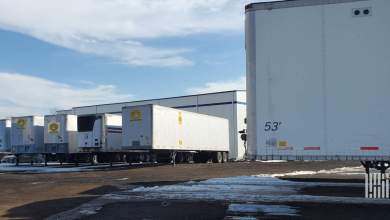
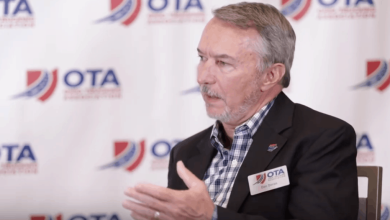
Funding secured, Baton takes aim at driver detention (with video)
Startup Baton Trucking believes it can eliminate waste and detention through a drop yard network.
Startup Baton Trucking believes it can eliminate waste and detention through a drop yard network.

Diesel fuel price outlook The rack-to-retail spread has widened to more than $1.10/gallon, creating an unearned windfall for trucking carriers. Diesel markets have been sliding in part on an overall decline in oil since the start of the year, but retail is slow to follow. Diesel itself has fallen farther than crude, primarily on fears […]
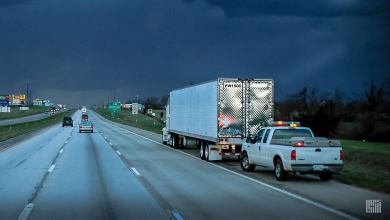
Automatic onboard recording device users can expect no leniency after Dec. 16.

Connectivity is crucial to success in trucking. Darren Prokop writes about various aspects of connectivity that make trucking more transparent and efficient.

Canadian airlines, already facing a pilot shortage, now face higher labor costs associated with new pilot work rules.

U.S. rail trade associations say changes will help employees responding to unplanned events.

Funding bill leaves out protections sought by U.S. House.

Sandeep Kar writes about how the ELD mandates in the U.S. and Canada are changing the trucking landscape.

Roadside inspections can be a scary proposition for drivers, and it’s obvious why. Even simply mistakes or misinterpretations of regulations can lead to drivers and fleets being penalized. Because of this, it’s more important than ever to provide proper training and coaching for drivers.

Chances considered strong for federal hours-of-service preempting state law.

“10-4 DC” rallies against regulations they say will run them off the road.
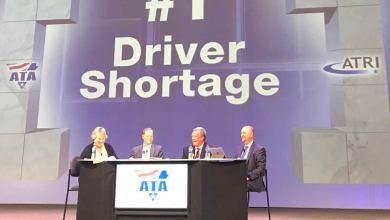
Motor carriers and commercial drivers agree on just four of the Top 10 challenges facing the trucking industry, according to the American Transportation Research Institute’s annual study.
The Federal Motor Carrier Safety Administration is working with the trucking industry to educate small fleets and owner-operators about advanced driver assistance systems that could reduce crashes and fatalities.

NTSB asserts added flexibility could increase risk of crashes
Dan Doran suggests the industry should’ve focused on HOS revisions before discussing ELDs.

Fatigue symptoms can be gathered by measuring the brain waves of truckers, which can be used to sound early warnings before drivers show visible signs of fatigue.

Topic once again dominates floor at FMCSA listening session.

Not many people are aware of this, but Alaska received a special exemption from the HOS regulations.

IIHS says driver fatigue still is a “major risk factor.”

Women drivers wait longer to load and unload their freight than their male counterparts because they are less prone to pitching a fit over delays.