




Daily Infographic: Dedicated Solutions Designed for Each Customer
CRST’s dedicated solutions place the individual customer at the focus to add value and maximize service.
CRST’s dedicated solutions place the individual customer at the focus to add value and maximize service.

From time to time, truck drivers require additional training. Whether it is refresher training or due to a recent incident, success depends on having the right approach.

FMCSA’s Drug & Alcohol Clearinghouse has several reporting requirements for carriers, but those without proper protocols in place could be reporting violations they shouldn’t, and that is harming drivers.

Trucking fleets that still use pen and paper to meet their recordkeeping requirements are adding unnecessary costs and complexity, and upping the chance of a recordkeeping violation during an FMCSA audit.
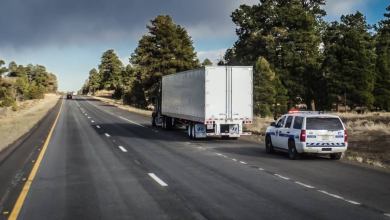
Carriers continue to face fines and out-of-service violations because they don’t understand the difference between intrastate and interstate operating authority.

With upcoming changes to hours-of-service rules, drivers and fleets could see improved productivity, safer operation and fewer violations.

FMCSA has increased the use of off-site audits, giving carriers the opportunity to respond to safety and compliance concerns digitally, but it increases the likelihood of an interaction with an FMCSA official.

Set to go live on Jan. 6, 2020, the drug & alcohol clearinghouse will change the way truck drivers and carriers monitor drug testing.

Technology such as dash cams, ELDs, telematics and even diagnostics systems are helping fleets better manage their drivers and assets, and the opportunities to use this data are plentiful.

Compliance issues can result in large fines for companies, which is why some companies find outsourcing compliance programs to experts can be a financial win.
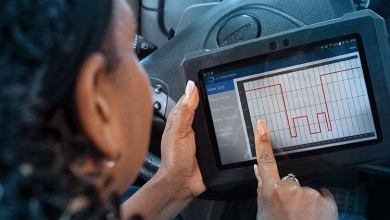
As of December 16, 2019, anyone running an AOBRD must switch to an ELD. There are steps that can be taken now to ensure the changeover will be painless.