Trailer orders dip in November but strong demand continues
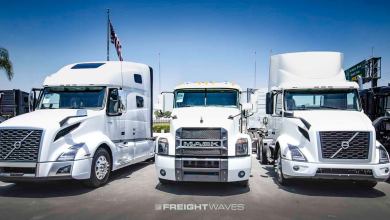
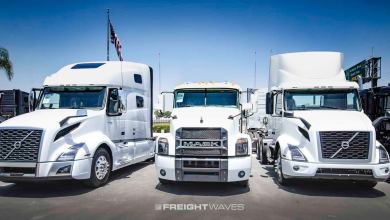
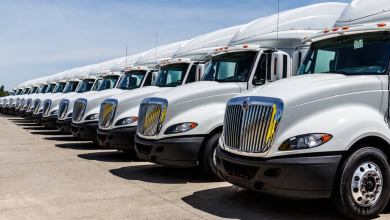
Orders for new trailers dipped in November but the total bookings in the last three months are still the second highest in industry history.
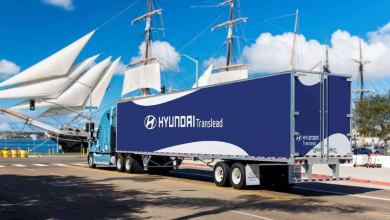
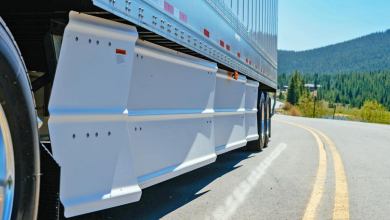
The continuing rebound in trailer orders is in line with three-year high in spot freight rates as consumers buy more goods than services.
Trailer builder Wabash National kept the business impact of COVID-19 to a minimum in the second quarter. It even paid back money it borrowed and maintained its dividend.
PACCAR overcame a slowdown in Class 8 truck orders to report record revenue and earnings in 2019, but fourth quarter results took a hit in both measures compared with a year ago.
New Class 8 truck orders dipped to their lowest level in a decade in 2019, payback for an ordering frenzy a year earlier.
Preliminary orders for new trailers met expectations in October reached their highest level in 11 months, upholding expectations for a good, but not great 2020.
The traditional ordering season for new Class 8 trucks opened in October with the highest activity in 11 months. Still, the number of orders placed was the weakest for an October since 2016 — and 51% below October 2018.
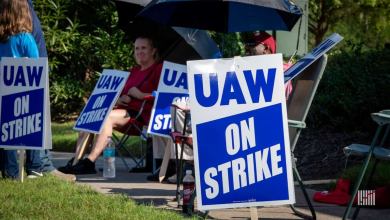
The impact of a United Auto Workers’ strike at Mack Trucks will nearly double next week when Volvo Trucks North America lays off about 3,000 employees because of a lack of engines and transmissions that come from a Maryland plant the companies share.
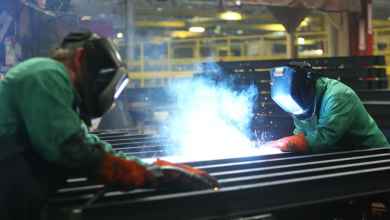
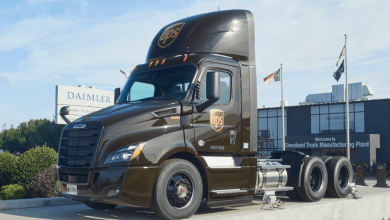
Four of six major truck makers are reducing production line speed and/or laying off manufacturing workers. Market leader Daimler Trucks North America will cut 900 jobs in North Carolina on Oct. 14.
Preliminary September orders for Class 8 trucks improved over August but remained stagnant as fleets delayed booking new equipment in the face of ongoing trade tensions slowing swaths of the manufacturing economy.
Navistar is the first to slow production lines for new trucks. It is targeting medium-duty units because inventories are up 30 percent year over year.