





Joanna Marsh
Wednesday, October 28, 2020
Shippers, unions, railroads take sides at Senate hearing
Rail stakeholders debate the legacy of precision scheduled railroading and the common carrier obligation.
Rail stakeholders debate the legacy of precision scheduled railroading and the common carrier obligation.
Lower volumes blamed for the job reductions in Kansas.
The rail equipment and technology provider is one of many companies that have laid off or furloughed employees because of the lower-volume environment exacerbated by the coronavirus pandemic.
The railroad didn’t say where the layoffs occurred, but they affect union and management employees across the 23-state network.
An increase in U.S. rail traffic pulled headcount higher in July.
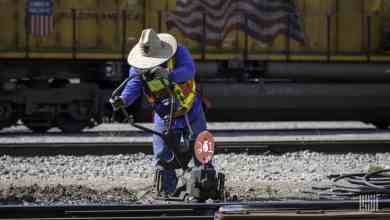
The reduction in employee levels comes as the railroads deploy cost-cutting measures to match network capacity needs with market demand.
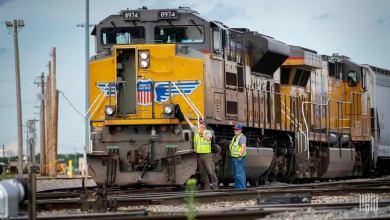
Pandemic-induced rail volume declines, operational changes among reasons for falling employment figures
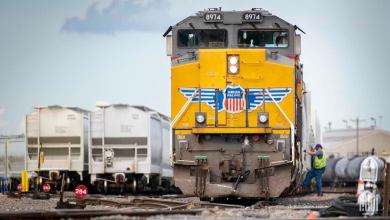
The coronavirus pandemic and declining coal volumes hit employee levels at freight and passenger rail companies.
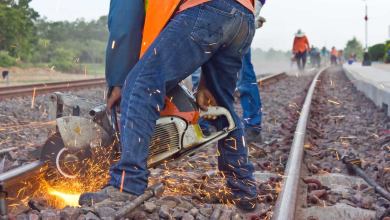
Employee counts at U.S. Class I railroads continue to be lower in 2020 than 2019, although total headcount rose slightly from February.
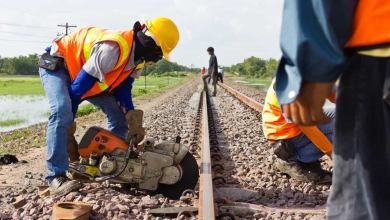
Total headcount falls to its lowest level amid continued declines in U.S. rail volumes.

Slumping rail volumes and the Class I railroads’ operational efficiency efforts contribute to the headcount decline.
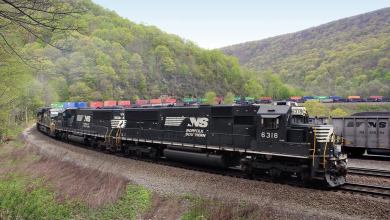
The Eastern U.S. rail company cites declining coal volumes and fewer utilized locomotives as contributing factors for the closure.
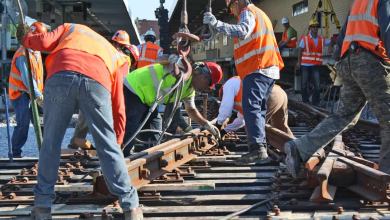
Employment levels at the U.S. operations of the Class I railroads hit their lowest point in years, according to data from the Surface Transportation Board.
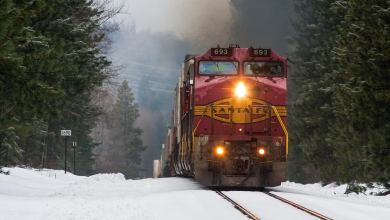
Improving rail volumes and service are among the crucial issues to look out for as the railroads reveal their 2020 guidance in the coming days.
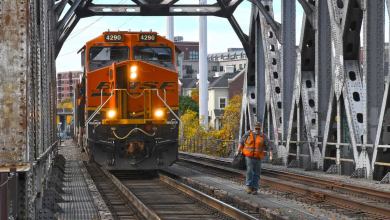
The U.S. operations of the Class I railroads continue to shed employees.
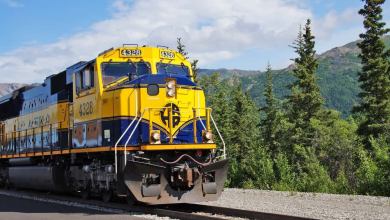
The notice of proposed rulemaking pertains to training for Class II and Class III rail employees.

Headcount within U.S. Class I rail operations tumbles amid declining rail volumes and the deployment of precision railroading.
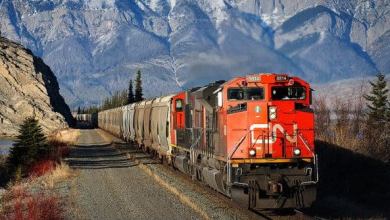
The railway cited challenging economic headwinds and could release up to 1,600 employees.