




Joanna Marsh
Wednesday, September 30, 2020
Intermodal up but rail carloads down last week
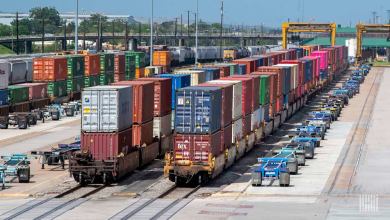
U.S. intermodal traffic continues its upward trend but carloads are still lower year-over-year.
U.S. intermodal traffic continues its upward trend but carloads are still lower year-over-year.

U.S. rail volumes were down by only 1.3% compared with the same period in 2019. Intermodal traffic provided the boost.

U.S. rail volumes, including intermodal traffic, fell in a week that was shortened by Labor Day.

U.S. intermodal traffic continues upward trend; separately, Kansas City Southern reportedly rejects takeover bid.

Weekly U.S. intermodal traffic continues upward, but Hurricane Laura could threaten that trend.
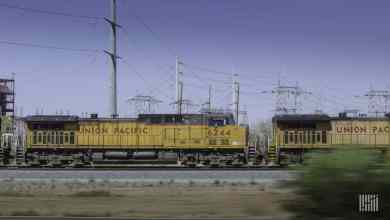
Weekly U.S. intermodal volumes notched higher again for the second week in a row.

Intermodal volumes actually grew year-over-year.

U.S. carloads fall nearly 18%, although intermodal traffic slipped by only 1%.

As U.S. weekly carloads have trended lower for months, rail industry stakeholders discuss how to relieve the railcar supply glut.

Weekly volumes for U.S. intermodal units were only 1.7% lower than the same period in 2019.

The reduction in employee levels comes as the railroads deploy cost-cutting measures to match network capacity needs with market demand.
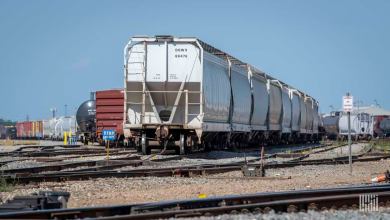
U.S. rail traffic is still facing double-digit percentage declines amid trade uncertainties and the coronavirus pandemic.

Weekly U.S. intermodal volumes rise nearly 8% amid the easing of social distancing restrictions that began before the July Fourth holiday weekend. But can intermodal traffic sustain that increase amid pandemic uncertainties?

Rail traffic continues to increase after bottoming out in April and May.

Weekly rail traffic moved higher week-to-week amid growing builder confidence and higher retail sales in May. But will the upward trend last?

With the second half of the year just weeks away, Class I rail executives are eyeing at least some recovery in rail volumes as shelter-in-place restrictions ease.

Although rail traffic is still down significantly over 2019, that wide difference in volumes could be slowly starting to narrow.

Despite U.S. rail traffic remaining sharply lower on a year-over-year basis, rail volumes for commodities such as grain and motor vehicles and parts helped to push volumes higher on a week-to-week basis.
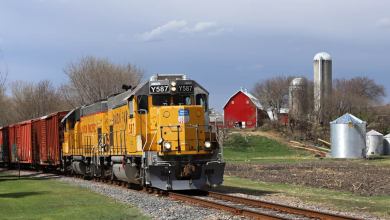
The Class I railroads are hoping that the restart of U.S. automotive production will be one of the first significant steps towards growing rail volumes. Automakers are resuming production as weekly U.S. carloads tumble 30% year-over-year, the widest decline since 1988.

The Class I railroads’ expectations that the second quarter could be rough volume-wise are ringing true.