




Joanna Marsh
Thursday, February 25, 2021
Winter weather wallops US rail traffic
The extreme cold and heavy snow dampened U.S. rail volumes last week.
The extreme cold and heavy snow dampened U.S. rail volumes last week.

FreightCar America makes Terry Rogers its permanent CFO, the Association of American Railroads reports weekly U.S. rail volumes rose 0.3% year-over-year, and The Broe Group updates its progress on a Savannah, Georgia-area industrial park.

The U.S. housing market is tight heading into 2021, with higher housing starts and limited inventories helping to support lumber and wood carloads.
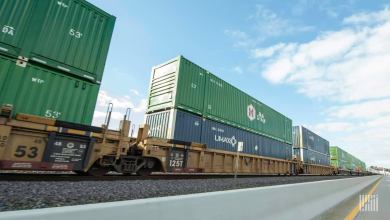
Anticipated consumer spending levels, retail restocking and tight truck capacity are among the factors that could support intermodal volumes this year, according to Class I rail execs.

U.S. weekly rail traffic rose nearly 6% last week amid a 43% increase in grain carloads and a 13% rise in intermodal traffic.

Anticipated higher natural gas prices could prompt coal’s share in U.S. power generation to grow in 2021 and 2022, the U.S. Energy Information Administration said in its Short-Term Energy Outlook.

Falling U.S. coal carload volumes reflect the decline of U.S. energy consumption of power generated by coal. Also, U.S. intermodal traffic offset volume losses in 2020.

Total employment among the U.S. operations of the Class I railroads fell nearly 14% year-over-year amid the railroads’ continued deployment of precision scheduled railroading.

Freight rail groups and others congratulate the former mayor of South Bend, Indiana, on his nomination to lead DOT; also, U.S. weekly rail volumes rise nearly 5% year-over-year

U.S. weekly carloads last week were only 1.4% lower than year-ago levels, while intermodal traffic is still experiencing double-digit percentage increases.
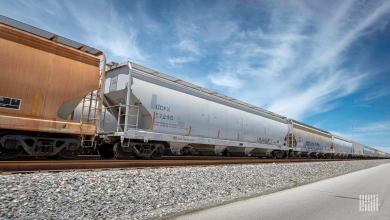
November was a bright spot for U.S. and Canadian grain carloads.

KCS says Mexico protests are impacting fourth-quarter revenue, and Norfolk Southern announces leadership changes.
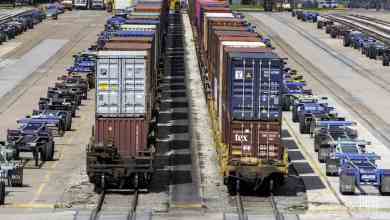
U.S. carload traffic on a weekly basis was 3.1% lower last week on a year-over-year basis and 1.7% higher sequentially.
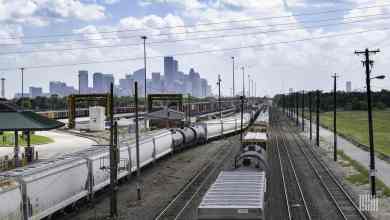
Weekly intermodal traffic is still higher year-over-year although on a sequential basis, volumes appear to be leveling off for trailers.

With intermodal volumes growing in the third quarter and October, how will the railroads handle intermodal traffic in the fourth quarter?

Freight trains can carry a multitude of cargo, with car variations to serve each type.

U.S. rail volumes on a weekly basis were 2% higher last week amid a 9% increase in intermodal traffic.

Intermodal traffic props up rail volumes and gains for retail sales; CSX, Union Pacific announce new appointments.

The rail equipment and technology provider is one of many companies that have laid off or furloughed employees because of the lower-volume environment exacerbated by the coronavirus pandemic.

U.S. intermodal traffic on a weekly basis rose 8.4% year-over-year. Carload volume still lags although the year-over-year gap is narrowing.