August Economic Roundup
Freight demand remained strong through the end of the 2nd quarter, but growth is likely to normalize through the 3rd quarter as some of the temporary boosts to economic activity fade.


U.S. retail sales rose solidly in June, boosted by increases in purchases of motor vehicles and a range of other goods, cementing expectations for robust economic growth in the second quarter.
Freight conditions generally held solid during the month despite some softening in the manufacturing sector. With economic fundamentals largely in place, the focus has shifted to trade policy, where trade war escalations threaten domestic activity.
E-commerce sales shrugged off a weak quarter for retail overall, and the resilience of online shopping should continue to drive innovation in transportation and freight markets as businesses look to take advantage.
A Walmart worker loads a trailer inside a distribution center. Private fleets can provide significant value to their broader organizations, but they still must compete for business, which is why customer service ranks so high as a top concern.
GS1 makes the system complete and more accurate in the supply chain so that consumers have a smooth shopping experience from website searches, all the way to when the product reaches their doorstep.
Health company higi is opening up resources at its 11,000 self-screening health stations to truck drivers who are members of Rolling Strong for free biometric testing.
The merged companies could mean the transformation of the way we consume soda, as well as the consolidation of shipping and shelf space. The product can also bypass retail stores entirely and ship directly to consumers.
With all the purchasing of team apparel and snacks that takes place around the Super Bowl, it’s imperative those goods make it to retail locations on time. It takes a Big Game logistics operation to make it happen.
No surprise, the e-commerce trend has entrenched itself into the lives of consumers — for better or worse — and there’s no turning back now. Another round of retailers this year has filed for bankruptcy.
Access to quicker delivery options has boomed sales of perishable commodities like frozen pizza and ice cream, and that has led to a boom in refrigerated freight options.
Is e-commerce hitting a ceiling? Or is brick and mortar back in style? In November, consumer spending at brick and mortar stores increased by 0.8%, exceeding economists’ expectations by 0.5%. These gains were also coupled with e-commerce growth, indicating Americans are simply spending more this holiday season.
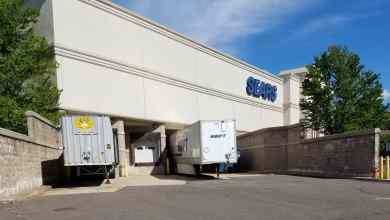
Consumer confidence remains high, yet retail stores continue to close their doors. Welcome to shopping in a modern America.
Taking the last-mile delivery battle seriously, Amazon may have found a hit with its Hub. According to The Motley Fool, Amazon is putting Hubs in “multi-tenant dwellings like apartment buildings, condos, and complexes.”
Luxury brands have been closing up shop in China recently, according to the South China Morning Post (SCMP). The phenomenon of building brick-and-mortar stores that “originated in China,” has now reversed itself, as more retail stores are closing up shop and moving online.
President Donald Trump once again took to Twitter this morning to lash out at Amazon, targeting the company’s alleged non-collection of taxes.
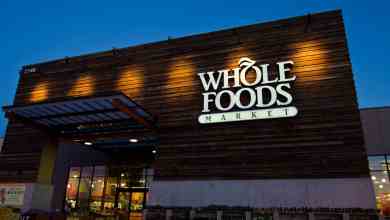
In another step into the food space, Amazon has announced it will buy Whole Foods for $13.4 billion plus debt, giving the e-tailer a physical presence in the $700 to $800 billion consumer grocery world. But like many things with Amazon, the end game may be something different.
The battle between Amazon and Walmart took another turn when Amazon announced it would begin offering discounted Prime memberships to those on U.S. government assistance. That could pull shoppers, and freight, from Walmart.
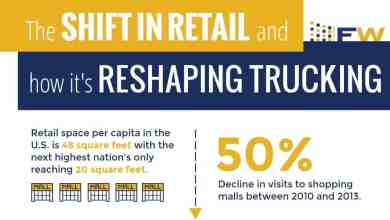
While in-store sales have been declining in recent years, retail sales as a whole have not due to growth in e-commerce. That is resulting in a shift in freight movement, with more heading to a growing number of distribution centers and less heading to brick-and-mortar stores.
There has been a narrative in the U.S. that retail is dying a quick death. The reality is that is just not true. So far in 2017, there have been nearly as many store openings announced as store closings. This FreightWaves infographic details some of the trends in retail and how trucking is responding.