




Daily Infographic: FedEx taps Boeing for 20 more 767 freighters
E-commerce pushes rapid growth in domestic parcel business
E-commerce pushes rapid growth in domestic parcel business
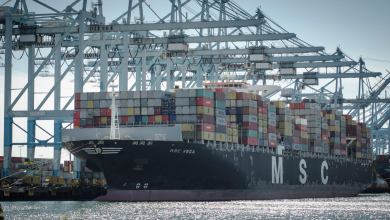
More box ships, bulkers and tankers are changing hands than ever before — good news for ship values and stocks.

Ocean carriers could make up for two decades’ worth of losses in a single year as demand overwhelms vessel supply.
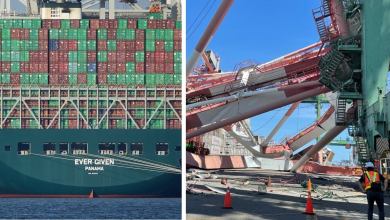
California offshore traffic jam, Ever Given, Yantian closure, skyrocketing rates and volumes … what’s next for container shipping?

More problems loom for importers of Asian containerized goods and tanker slump could last even longer.
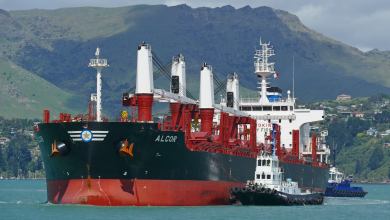
Rates for smaller bulkers remain at decade highs with most dry bulk stocks up triple digits since November.

A year and a half after COVID emerged in Wuhan, China’s exporters, liners, shipyards and container factories are all booming.
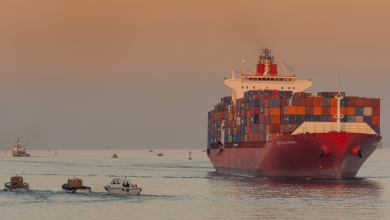
There has never been a better time to own container ships and lease them to liners. But some owners are selling ships and cashing out.
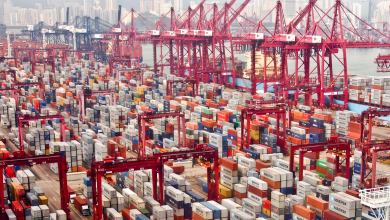
Americans are spending more on services. Contrary to predictions, this has yet to curb demand for containerized goods.
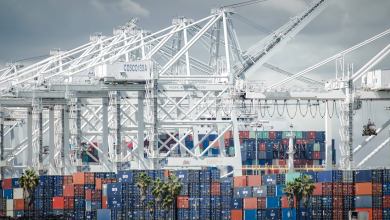
Spot pricing has surged even higher, propelled by carrier rate hikes and China congestion fallout.

Container Ship Fleet Size by Nationality of Operation

The Freightos Baltic Index (FBX) is the world’s leading—and most accurate—index of market rates for 40′ containers.
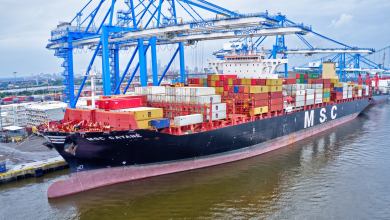
Former chief mate of MSC Gayane gets seven years behind bars for lead role in massive 2019 smuggling operation.

Decision to secure dedicated vessel highlights unprecedented strength of container shipping and risks faced by importers.
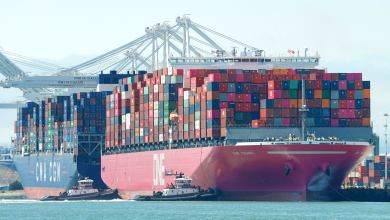
Container spot rates spiked again, with new records set. For importers, the worst is yet to come.

Rising fuel costs are yet another woe for containerized cargo shippers, while widening spreads should benefit ships with scrubbers.
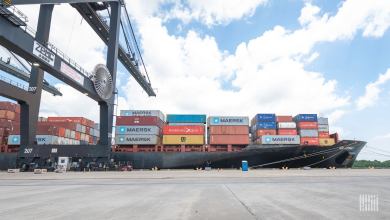
The proposals hope to enforce the carriage of trade and excessive penalties U.S. importers are being charged by foreign carriers.
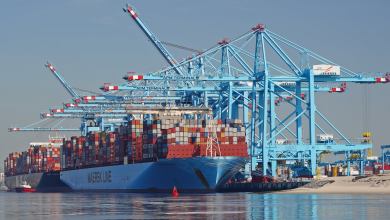
Consolidation in the liner sector is already extreme. Newbuild orders will further concentrate market power in fewer hands.

Congestion is cutting liner capacity just as freight rates are at all-time highs, incentivizing carriers to buy or charter more ships.
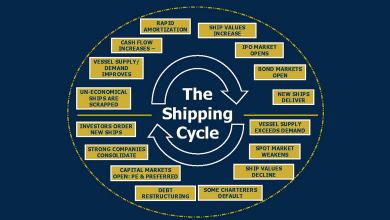
Environmental regs could extend future dry bulk and tanker upside, while consolidation could change curve of container-shipping cycle.