Tranzport joins BiTA; launches smart freight reservation and management platform
Tranzport, a logistics technology and services company, has announced it has joined the Blockchain in Transport Alliance (BiTA).


Collabrian Design and Technology, a provider of digital transformation solutions to the transportation and logistics industry, has become the newest member of the Blockchain in Transport Alliance (BiTA).
Cyberattacks increase with technology inclusion in supply chains; Tesla doubles loss this Q2; China is pumping billions into OBOR strategy; Aramco drops IPO as fuel prices rise.
Maverick Transportation LLC, is excited to announce it has joined the Blockchain in Transport Alliance (BiTA).

Procter & Gamble prices to increase; The end of Uber’s self-driving truck program; Unilever takes a hit from Brazil truck strike; Gap innovates distribution following a 2016 warehouse fire, and more in Today’s Pickup.
The success of electric vehicles lies in the cost efficiency and scalability of its batteries. The supply of lithium and cobalt over the next decade would end up defining the extent of that success.
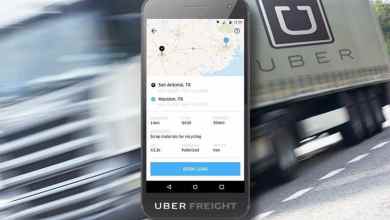
Following the announcement of the end of Uber’s self-driving truck program, Uber reached out to FreightWaves for an opportunity to discuss Uber Freight and to check the pulse on the self-driving industry.
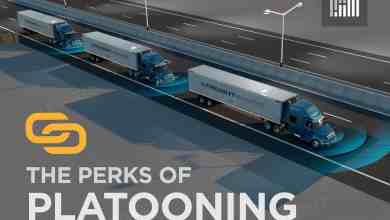
Ready or not, truck platooning is inching closer to reality. Our latest infographic highlights the primary benefits of platooning technology.
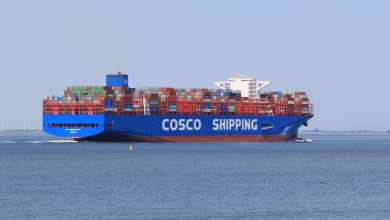
COSCO shipping came under a cyber attack this week, which reinforces the need for comprehensive cybersecurity regulations within the maritime industry as the future moves towards port automation and autonomous shipping.
Amazon spent $21.7 billion in shipping last year – a number which could be reduced if the company took control of its supply chain instead of partnering with 3PLs.
According to CB Insights, “the maritime shipping industry accounts for 90% of global trade and is only now beginning to leverage technology. This shift could have far-reaching impact on retailers, consumer goods companies, manufacturers, and more.” With this important industry in mind, CB Insights hosted a July 24 webinar to “explore how shipping companies and global ports are utilizing automation and blockchain technology to revolutionize the shipping industry,” taking a look at various aspects of the supply chain along the way.
NAFTA trade talks are back on the table, with Canada and Mexico hoping to ward off potential auto tariffs that could be levied by the U.S. if the agreement turns out to be unfavorable to its interests.
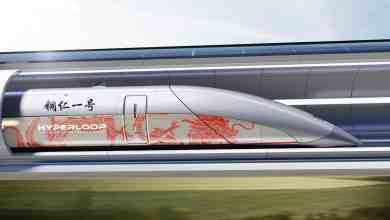
Hyperloop Transportation Technologies (HTT) has inked a deal with the province of Guizhou for creating China’s first commercial hyperloop track.
Aside from providing track and trace solutions, Loginext uses machine learning to provide organized logistics and field service management solutions in the most cost-optimized way.
Tesla stocks fell by about 2.5% today after a Needham analyst raised concerns on the increased cancellations of Model 3 cars over different reasons like long waiting times, unavailability of base model and the expiration of the $7,500 credit.
Volvo’s Q2 had the company’s sales earnings climb past hundred billion Swedish kronor, buoyed by double digit growth figures around the world except Europe, where its market has stabilized and is at the point of saturation.
Laboratory grown meat is coming to the market soon, and this could disrupt traditional food supply chains as the trucking industry might haul lesser livestock in the future.
Boeing 777 Freighter is one of the most sought-after cargo flights in recent history, with DHL Express and Qatar Airways finalizing orders at the Farnborough Air Show today.
APL Logistics, a provider in integrated logistics, has become the latest member of the Blockchain in Transport Alliance (BiTA).
Daimler has decided to stop production of a certain type of diesel engine till it clears issues regarding NOx emissions that slightly exceed maximum threshold values.