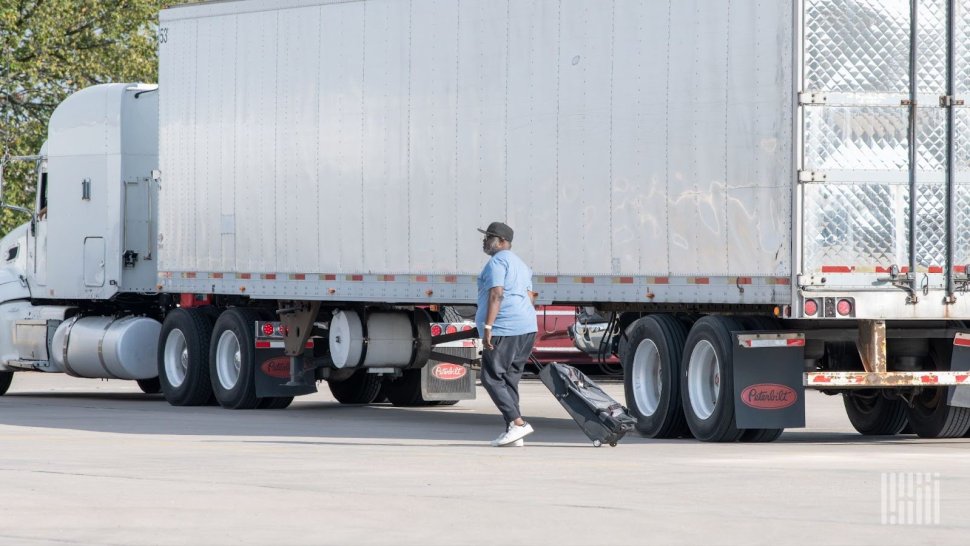
One of the hardest moments in trucking ownership is realizing your truck is worth less than what you still owe on it. You bought that truck thinking it was an investment, a tool to build your business. But markets shift, equipment depreciates, and sometimes the note outruns the value. That’s when you’re upside down—owing $90,000 on a truck that’s only worth $65,000 on the open market.
This situation isn’t rare. It happens when loans are stretched too long, down payments are too small, or resale values drop faster than expected. The stress is real because you can’t just sell the truck and walk away clean—the bank is still waiting for their money. If you’re upside down and need to sell, you have to know your options, the risks, and how to get out without destroying your business in the process.
How You End Up Upside Down
Let’s start with why so many carriers find themselves in this trap:
- Long loan terms – Financing over 72–96 months makes payments affordable but keeps you paying down debt slower than the truck loses value.
- Low or no down payment – Starting with zero equity means you’re underwater from day one.
- Rapid depreciation – A new truck can lose 20–30% of its value in the first two years.
- High mileage and wear – Trucks in heavy use depreciate even faster, especially if not maintained perfectly.
- Market downturns – A weak freight market pushes resale values down because fewer buyers are looking for trucks.
Upside down doesn’t mean you failed—it means you’re in a position a lot of carriers end up in. The question is: what do you do now?
Why Selling Is Complicated
If you owe more than the truck is worth, selling it outright won’t cover the loan. Example:
- Loan balance: $80,000
- Truck resale value: $60,000
- Buyer’s offer: $58,000
You can sell it, but the lender isn’t releasing the title until the full $80,000 is paid. That leaves you with a $22,000 gap to cover. Until that balance is settled, the deal doesn’t close. That’s why so many carriers can feel trapped.
Option 1 – Cover the Gap Out of Pocket
The cleanest, though often hardest, option is writing a check for the difference. Using the example above, you’d pay $22,000 to close the gap, hand over the truck, and walk away free.
The upside: you’re out of the truck, you clear the loan, and your credit remains intact.
The downside: you need cash reserves, and most owner-operators don’t have that kind of money sitting around.
If you’ve been disciplined with a maintenance or savings reserve, this is the fastest path forward.
Option 2 – Trade It In
Dealers often let you trade an upside-down truck into a newer one, rolling the negative equity into the next loan. For example, if you owe $20,000 more than the truck’s worth, they tack that $20,000 onto your new financing.
The upside: you unload the truck without writing a big check.
The downside: you just transferred your problem into the future. Now your new loan starts upside down, often with even worse terms.
This option only makes sense if you can negotiate a strong deal on the new truck and the payment structure still leaves room for profit. Otherwise, you’re digging a deeper hole.
Option 3 – Negotiate With the Lender
Lenders don’t want repossessions—they want to get paid. If you approach them early, some will work with you to structure a settlement. Options may include:
- Short sale approval – The lender agrees to accept less than the full balance if you find a buyer.
- Payment plan for the difference – They let you sell the truck and then pay the leftover balance in installments.
- Settlement offer – If you can offer a lump sum (even if it’s less than the full gap), many lenders would rather close the file than chase you.
This only works if you’re proactive. Wait until they’re chasing you, and your leverage is gone.
Option 4 – Refinance or Restructure
If you want to keep the truck but can’t manage the note, refinancing might give you breathing room. Extending the loan or lowering the interest rate can shrink payments and keep you from having to sell.
The risk: extending terms can make depreciation worse, keeping you upside down longer. Refinancing only makes sense if you have a clear path to use that breathing room for growth and reserve building—not just survival.
Option 5 – Voluntary Surrender
This is the last resort. You hand the truck back to the lender and walk away. But don’t be fooled—this is not a free pass. Here’s what happens:
- The lender auctions the truck for less than it’s worth.
- You’re still responsible for the “deficiency balance”—the difference between the auction price and your loan.
- Your credit takes a major hit, making future financing almost impossible.
Voluntary surrender is better than repossession, but it’s still damaging. Only go this route if every other door is closed.
How to Survive the Upside-Down Moment
If you’re facing this situation, survival comes down to strategy:
- Get the payoff amount in writing – Know exactly what you owe before you explore options.
- Research your truck’s market value – Don’t guess. Get appraisals or dealer quotes.
- Know the gap – Subtract market value from payoff to see what you’re up against.
- Contact your lender early – Waiting makes things worse. The sooner you talk, the more flexible they’ll be.
- Don’t rush into another bad loan – Trading into a worse deal just pushes the problem forward.
- Build reserves – Even if you’re forced to carry the truck longer, stack cash so you have options when the time comes.
Using the Lesson to Build Smarter
Being upside down teaches tough but valuable lessons:
- Always put money down.
- Match loan terms to the truck’s real earning lifespan.
- Treat every financing decision as a business move, not an emotional one.
- Build a reserve fund big enough to cover a worst-case scenario.
The goal is not just to get out of this upside-down situation—it’s to make sure it never happens again.
Final Word
Selling a truck when you owe more than it’s worth is one of the toughest positions an owner-operator can face. The pressure is real, but there are options. Whether it’s covering the gap, negotiating with your lender, or restructuring your strategy, the key is facing the numbers head-on.
The worst move is pretending it will fix itself. Trucks depreciate fast, lenders don’t wait, and the longer you sit in denial, the fewer options you have. If you handle the upside-down moment with discipline and honesty, you can survive it, protect your credit, and reset your business on stronger ground.
In trucking, every mistake is expensive—but it doesn’t have to be final. Use this lesson to build smarter, finance better, and make sure next time you’re the one in control—not the bank.
Brokerage Compliance Symposium
The day before F3. Every compliance issue you face - fraud exposure, carrier liability, FMCSA rules, cargo theft, insurance gaps - navigated by attorneys and operators defining best practices in a changing industry.
F3 Awards Dinner
The night before F3. FreightTech100 companies honored. FreightTech 25 and Shipper of Choice winners revealed live. Cocktail reception into dinner and live music - 300 industry leaders in one purpose-built room.
F3: Future of Freight Festival
Industry-defining keynotes, rapid-fire technology demos, and industry leaders networking in experiences across Chattanooga - plus the inaugural F3 Awards Dinner featuring the FreightTech and Shipper of Choice reveals.
The day before F3. Every compliance issue you face - fraud exposure, carrier liability, FMCSA rules, cargo theft, insurance gaps - navigated by attorneys and operators defining best practices in a changing industry.
The Signal at Chattanooga Choo Choo • Chattanooga, TN Register NowThe night before F3. FreightTech100 companies honored. FreightTech 25 and Shipper of Choice winners revealed live. Cocktail reception into dinner and live music - 300 industry leaders in one purpose-built room.
The Signal at Chattanooga Choo Choo • Chattanooga, TN Register NowIndustry-defining keynotes, rapid-fire technology demos, and industry leaders networking in experiences across Chattanooga - plus the inaugural F3 Awards Dinner featuring the FreightTech and Shipper of Choice reveals.
The Signal at Chattanooga Choo Choo • Chattanooga, TN Register Now