






FreightWaves reveals 2021 FreightTech 100 winners
Now in its third year, the FreightTech 100 shines a spotlight on some of the most innovative companies across the industry, featuring both young startups and household names.
Freight start-ups poised to hire despite economic turndown
Flock Freight has added 50 new team members since June.

Black box parcel shipping: Understanding the options for seamless integration
The coronavirus pandemic continues to amplify that pressure as 2020 drags on.
Truck drivers have always been the ultimate remote workforce
While companies across the country struggled with the learning curve that accompanies remote work arrangements, truck drivers continued to move our medications and essential goods from one point to the next.
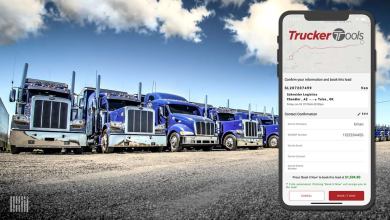
Trucker Tools app surpasses 1 million downloads
The Trucker Tools driver mobile app was introduced in 2013, and new features have been added continuously over the past several years.

Newest supply chain technology focuses on bringing players together (with video)
Some of the most disruptive companies in the logistics industry came together to show off their latest products and solutions during American Shipper’s first-ever Global Trade Tech summit.

Logistics company embraces greener practices for brighter future
Shared truckload offers shippers the opportunity to utilize truckload services to deliver partial shipments – without leaving part of the trailer empty.
Tracking tools bring calm to chaotic disaster response scenarios
Infrastructure can be damaged after a disaster, so the ability to know where something is without picking up the phone is important.

Port of Savannah holds strong amid massive market fluctuations
The port is a top choice for Fortune 100 companies that have been integral to the country’s pandemic response.
Shared truckload solves LTL, FTL inefficiencies
Shared truckload alleviates LTL pain points

FreightWaves Carrier Summit: Demo challenge accepted
Some of today’s most innovative and disruptive companies in the logistics industry showed off their products during FreightWaves’ first virtual Carrier Summit on Wednesday.
How last mile has changed in the shadow of coronavirus
Many shippers have encountered fulfillment issues and transportation breakdowns as consumer demand for their products surged.
Short-term rentals give carriers the flexibility to survive downturns
Rentals allow companies to expand their fleet in order to capitalize on short-term opportunities.
Shared truckload ‘fast pass’ offers path to greater profitability
The uptick in shared loads should prompt companies to consider how their dock operations can be optimized for maximum efficiency.
How does app-based tracking compare to more complex methods?
Subpar consistency and poor compliance are enough to cost a brokerage its profitability and, ultimately, the company’s life.
Aggregating resources is key to increased efficiency
When different systems are being used to perform each task, syncing up those systems ranges from time-consuming to impossible.

Trailer leasing offers carriers control in a volatile market
Recent market volatility could prompt carriers to choose leasing over buying as they build their fleets back up to meet rebounding demand.

Shared truckload offers pricing benefits to shippers, carriers
The concept of shared truckload isn’t new, but technological advancements in the space make the method more viable than ever.

The ideal time to merge or sell could be now
The best time to build on your company’s offerings through acquisitions may actually be during a global disruption.

Companies channel spirit of ‘coopetition’ for blockchain success
Companies and governments should be prepared to work together as blockchain becomes a more prevalent part of both entities’ operations.

Pandemic highlights how tech improvements propel companies forward
The coronavirus exposed inefficiencies in almost every corner of life and business — including logistics.

How to balance a shipper’s network to weather any storm
The uncertainty that accompanies a disaster can shake a network to its core. There are ways to build a more resilient team.
5 practices to improve your truck’s liftgate performance
Liftgates put a huge strain on a truck’s auxiliary batteries, upping the chances of inoperable equipment and dead trucks.
Brokers can stay ahead of the market with predictive freight matching
Brokers must stay ahead of the curve even in the best of times. In the midst of global market disruption, that becomes an even more important part of staying afloat.
Drayage update: The future of EDI (with video)
New technology is popping up everywhere, but the venerable and prominent EDI still has plenty to offer.

How to fight the effects of nuclear verdicts (with video)
FreightWaves teamed up with Gulf Winds International to discuss how massive jury awards are taking a lasting toll on carriers.

Flexibility will be key in safely welcoming workers back into the office
In some states, companies are now allowed to bring their employees back into the building. That process may end up being far more complex than anticipated.
Brokers cannot afford to put technology on back burner during pandemic
The coronavirus pandemic caught the world off guard, and it has ratcheted up the pressure on 3PLs and brokers to quickly adapt and employ new technologies.

FreightWaves LIVE @HOME Day 2: Shipper of Choice Awards and pandemic’s spotlight on logistics
The second day of FreightWaves LIVE @HOME was packed with thought-provoking speakers, innovative company demos and special recognition for the Shipper of Choice Award winners.
Keeping dwell times low propels Shipper of Choice Efficiency winners to the top
“Wait times reflect the sense of urgency a shipper has for loading or unloading a carrier,” FreightWaves Director of Freight Market Intelligence Zach Strickland said.

FreightWaves LIVE demo day presenters: Final edition
FreightWaves LIVE @ HOME will still feature the rapid fire demonstrations that FreightWaves events are known for, giving companies across the industry a chance to showcase their most innovative products.
Pandemic offers opportunity to end the tug of war between carriers, shippers
The global pandemic offers industry players the chance to trade competition for collaboration and disrupt the status quo.

Rail Industry positioned for resilience despite coronavirus toll
North American railroad leaders believe that the industry is resilient and have reported ongoing demand for rail services.

FreightWaves LIVE demo day presenters: Third edition
FreightWaves LIVE @ HOME will still feature the rapid fire demonstrations that FreightWaves events are known for.
FourKites’ Premier Carrier List helps match shippers with best carrier partners during pandemic
Knowing exactly where shipments are and when they will arrive is more important now than ever.
Prioritizing drivers will lead to better shipment visibility
Drivers have historically been hesitant to download tracking apps due to privacy concerns and “app overload.”
Retailers compete for shoppers’ time and money online
Americans are taking to their laptops instead of heading to the mall, and legacy retailers are facing the pressure to adapt to the times.
In a volatile market, shippers are looking to pool to maximize budgets
For some essential goods providers, the rush has meant booking full truckload without enough freight to fill the truck.

Companies can use data analytics to inform transportation strategy
Leveraging data is the key to identifying supply chain transportation opportunities.

FreightWaves LIVE demo day presenters: Second edition
FreightWaves LIVE @ HOME will still feature the rapid fire demonstrations that FreightWaves events are known for, giving companies across the industry a chance to showcase their most innovative products in a fast and fun environment.

Software companies must broaden offerings to be competitive in 2020
Companies have to work harder than ever to differentiate their offerings from all the other tools and applications flooding the market.

FTL service at LTL rates: Pooling protects loads and bottom lines
When companies are moving midsize loads, it can be almost impossible to find that balance within the traditional full truckload (FTL) and less-than-truckload (LTL) models.
TCA Profitability Program out in full force at annual convention
Program members will have several opportunities to network in Orlando next week.
TCA Profitability Program out in full force at annual convention
Program members will have several opportunities to network in Orlando next week.

How to prepare diesel trucks for an electric future
Electricity constraints are a barrier to the adoption of new technology.

Truckload 2020: Orlando arms carriers with knowledge needed to thrive
The Truckload Carriers Association (TCA) will bring an opportunity for education and networking to for-hire carriers, private fleets, associates and driver-training school members, as well as prospects, next month.

Truckload 2020: Orlando arms carriers with knowledge needed to thrive
The Truckload Carriers Association (TCA) will bring an opportunity for education and networking to for-hire carriers, private fleets, associates and driver-training school members, as well as prospects, next month.
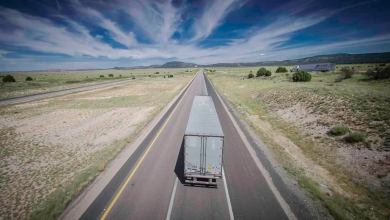
Owner-operators must be intentional about making money in 2020
The ramifications of 2019 will come in the form of shrinking capacity, pushing rates up as supply falls to meet demand instead of dwarfing it.
Automatic processes drive higher customer satisfaction
Check-in calls have long been a pain point for carriers and brokers alike. It is possible to reduce these calls while also improving customer service.
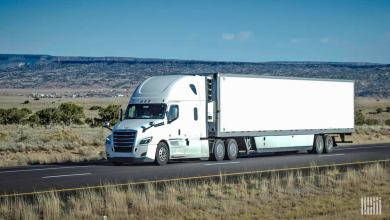
Pay-as-you-drive lease option could protect carriers during market slowdowns
As more and more carriers close up shop, leasing equipment has become a gamble that some companies may not want to take.

How much is a service failure worth to you?
Companies like hospitals and automotive manufacturers often need to receive equipment and other goods within a short window of time to avoid operational shutdowns. For these companies, service failures are terrifying.
Constructive disruption: Brokers focus on carrier experience in digital age
The face of the freight brokerage industry has evolved over the past several years, and veteran brokerages have been forced to rethink their technology strategies in order to keep up.
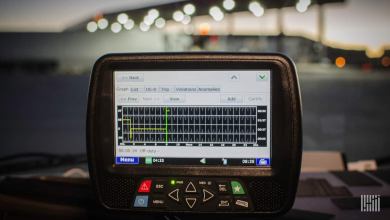
Carriers running old telematics devices risk fines on the highway
Any carrier still running AOBRDs is running the risk of hefty fines and being placed out of service during highway inspections.
ELD holdouts shouldn’t expect mercy after looming compliance deadline
There will not be a soft enforcement or grace period for noncompliant carriers.
Only a few diehards continue to run AOBRDs
A few holdouts have yet to make the transition from AOBRDs to ELDs.
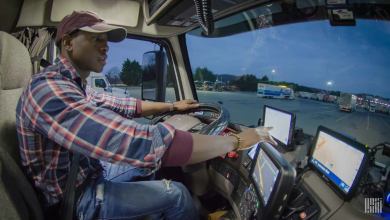
Multipurpose apps can protect against digital overload
Drivers often suffer from so-called app overload. This leads to a cluttered phone screen and an irritated driver.
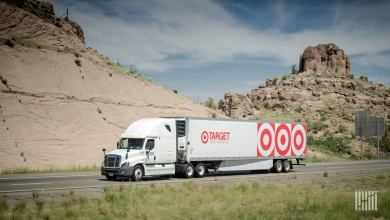
Target’s stock surges after third quarter earnings beat
Target Corporation (NYSE: TGT) saw its stock surge after the retailer reported sales growth and traffic surges for both its physical stores and its digital offerings.

Carriers must compete with other industries to attract and keep drivers (with video)
In order to compete with other industries, carriers need to offer drivers a way to get what they are looking for out of the job, whether that is home time, upward career movement or ownership opportunity.

Logistics companies can embrace automation while bypassing the hype cycle (with video)
The tech uproar created a prime environment for startups to enter the space, providing innovative products and disrupting the status quo.
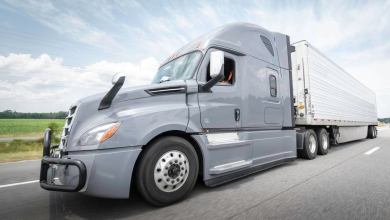
Schneider Transportation Management focuses in on driver experience
In an industry in which every minute counts, all players can see big returns when one member of the supply chain integrates innovative technologies and efficiencies into its processes.

Amazon named FreightTech 25 champion two years running (with video)
This year’s list includes 16 returning winners from last year’s awards and nine first-timers.
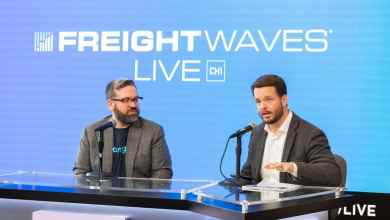
Work ethic, synergy help Chicago stay on top of logistics industry (with video)
At the end of the day, logistics is still simple: “Take care of the customer and the rest will take care of itself,” Findley said.
Percentage of compliant carriers stagnates ahead of December ELD deadline
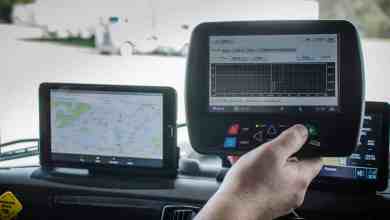
The stagnation suggests that only the most die-hard ELD holdouts are still clinging to their old devices.

FreightWaves leaders discuss evolution from blog to media powerhouse (with video)
FreightWaves employs about 40 reporters across the globe, produces 10 podcasts and has launched the first streaming TV network dedicated to freight.

Platform facilitates reverse bidding to streamline shipper-carrier spot market collaboration
Rates can quickly become dated and the lack of real-time transparency in these movements can result in lost opportunities for both shippers and carriers.
Trimble takes revenue hit from challenging market
Trimble misses revenue estimates for third quarter of 2019.
Device compliance continues to creep up as carriers ditch AOBRDs
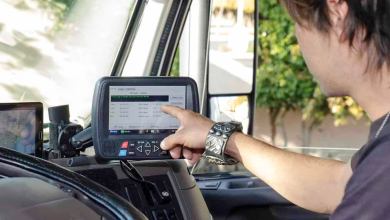
More carriers install ELDs as compliance deadline nears.
Automatic load booking can save brokers hours per load
When brokers see their load-matching time go from a couple hours to a few minutes, the shipper and the carrier also win.
First annual Truckload Live Summit will arm carriers with knowledge needed to succeed in today’s market
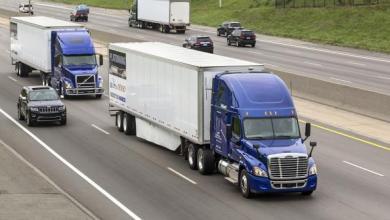
The first annual Truckload Live Summit will prepare carriers to improve their bottom line results and lower their risk profiles–even in a challenging market.
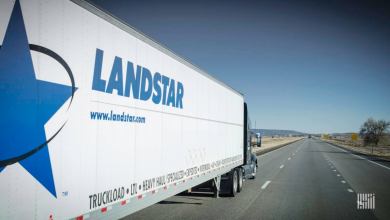
Landstar reports significant third quarter earnings miss
The company warned of its upcoming poor performance in September but still missed analyst’s earnings estimates.
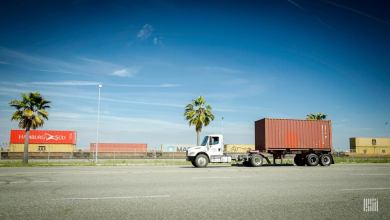
Intermodal drayage companies must embrace technology or die
It is no longer enough to just provide excellent service. Now, companies must provide excellent service alongside speed, transparency and convenience.
ELD compliance numbers stagnate ahead of December deadline
The number of carriers running AOBRDs dropped under 5% several weeks ago and has remained below that mark since, suggesting most carriers have already made the switch to ELDs.

FreightWaves announces 2020 FreightTech 100
The FreightTech 100 highlights the most innovative and disruptive companies across the freight industry, featuring both cutting-edge upstarts and top-notch traditional powers.

IBM stock slides after revenue miss
Despite revenue miss. IBM continued over two straight years of earnings beats.
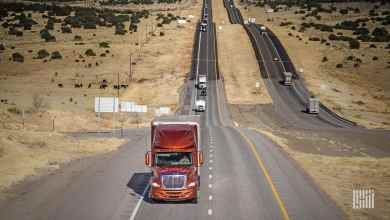
Smallest carriers report surging ELD compliance as December deadline looms
The carriers with the fewest trucks are also the least compliant, meaning the carriers with the most to lose are the same carriers that cannot afford to lose it.

Life-saving logistics: Moving live organs between donors and recipients
Surgeons save lives, but it is often the transportation and logistics companies working behind the scenes that make their jobs possible.
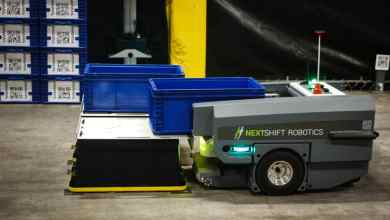
Kenco works to prove the value of technological investment with real-world test lab
When it comes to technology, it can be difficult to differentiate between a good investment and a waste of money.

Kombucha and coding: NEXT searches for top-notch talent during high growth period
NEXT has all the hallmarks of a modern start-up – conference rooms named after superheroes, kombucha on tap and a couple of friendly office dogs.
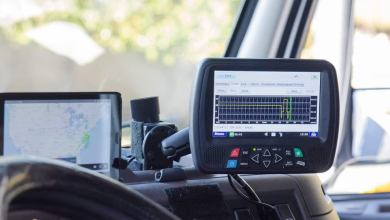
Some small carriers still clinging to old telematics devices into fourth quarter
Only 5% of carriers are still using automatic onboard recording devices (AOBRDs), according to a FreightWaves survey conducted in conjunction with EROAD and CarrierLists.

Know before you go: The impact of seeing wait times before accepting loads
Surging wait times can threaten a carrier’s bottom line. KeepTruckin has set out to change that.
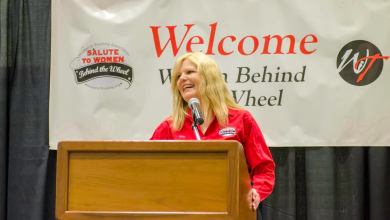
Number of women behind the wheel soars year-over-year
Women now make up over 10 percent of over-the-road (OTR) truck drivers, an increase of almost 30 percent.

Hangar A ushers air cargo industry deeper into tech revolution
Transparency has become something of a buzzword in the logistics industry, and that is exactly what Hangar A hopes to provide shippers with its new SaaS-based solution.
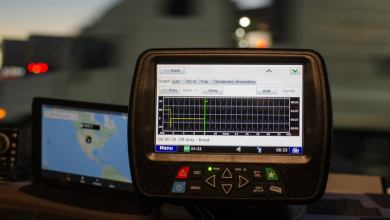
More fleets running ELDs ahead of December compliance deadline
This week’s is the highest ELD compliance rate seen throughout the course of the study.

Technology plus people: C.H. Robinson paves way for more innovative future
C.H. Robinson talked to thousands of shippers and carriers. What the company learned prompted them to invest $1 billion into technology.
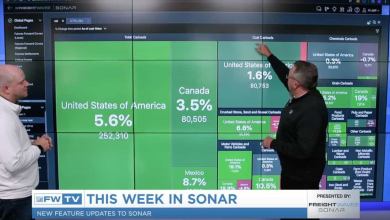
SONAR adds new customer driven feature updates
Several updates have been made inside SONAR to improve the overall user experience.

RateLinx launches platform to help data drive strategy, not just efficiency
By creating a one-stop shop, RateLinx hopes to offer shippers cost savings alongside data analysis.

Carriers continue to delay switch from old telematics devices
About 20% of carriers still using AOBRDs are expected to hold onto the devices into December.
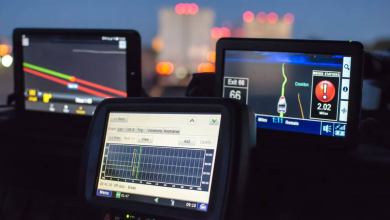
Percentage of carriers still running AOBRDs could be higher than expected
The three-week moving average of surveyed carriers reporting ELD compliance dropped to just 89.1%.

Delta Cargo brings on new senior leadership
Delta Cargo taps three new leaders to help oversee operations, strategy and revenue.

Cathay Pacific cargo sector takes hit from Hong Kong protests
Cathay Pacific saw double-digit drops in both tonnes of cargo carried and cargo and mail revenue freight tonne kilometres.
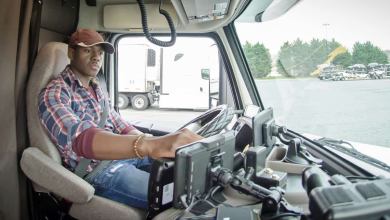
Waiting to get rid of old telematics devices could cost carriers big
Waiting until the last minute to switch from AOBRDs to ELDs could cost carriers time and money.
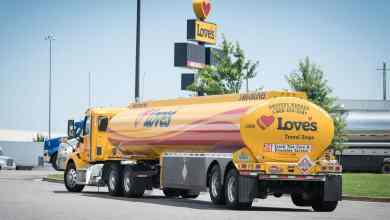
Florida ports to close as Hurricane Dorian approaches
Port Everglades has received approval to allow petroleum trucks to continue making deliveries to retail gas stations until early Monday morning or until winds reach 35 mph.

Retailers, logistics providers prepare for Hurricane Dorian in light of unpredictable path
C.H. Robinson has executed thousands of shipments into Florida since Thursday.
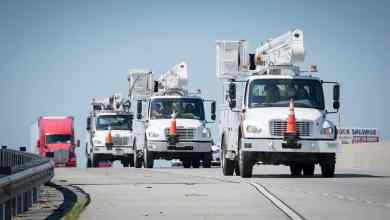
Updated forecasts suggest Hurricane Dorian could slam Port of Savannah
Both retailers and FEMA are taking a wait-and-see approach to the storm at this time.
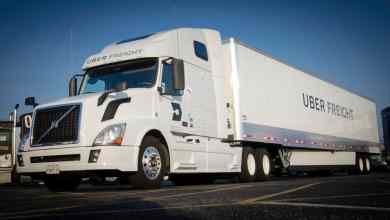
Human touch: Truck shows give freight tech chance to connect with carriers face-to-face
Uber Freight makes it a point to meet drivers and carriers where they are.

JetBlue rejoins cargo sector with more capacity for success
JetBlue is making its way back into air cargo after exiting the space in 2015.
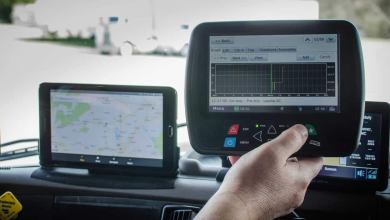
December expiration of AOBRD grandfather clause unlikely to cause capacity crunch
Individual carriers may face consequences for putting off the switch to ELDs, but the overall market is not expected to take a hit.
Industry players raise concerns about driver coercion during HOS listening session
The issue of driver coercion came up more than once at the Federal Motor Carrier Safety Administration’s (FMCSA) first public listening session regarding proposed changes to existing hours of service (HOS) regulations for drivers.

Industry players raise concerns about driver coercion during HOS listening session
Multiple commenters expressed concern about carriers, shippers or brokers coercing drivers to operate in unsafe conditions under the proposed rules.
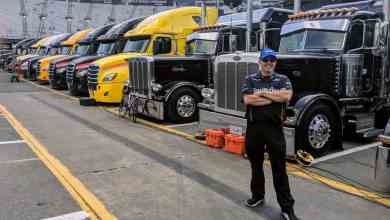
‘NASCAR roadies:’ Truck drivers keep the sport moving
The race cars, and all the equipment and accessories that go along with them, have to move from racetrack to racetrack somehow.