




Brokers push back against Trump’s price-gouging claims
President’s options limited without sufficient evidence, according to former DOJ antitrust chief.
US Postal Service loses $4.5 billion in latest quarter
“Substantial” federal funding needed to maintain service, board chairman warns.
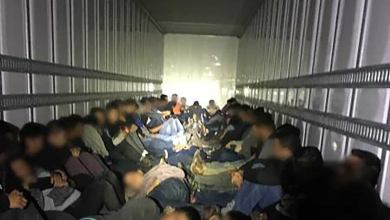
DOT doubles progress in human trafficking fight
Freight haulers across transport modes join effort to raise awareness.
Former XPO executive tapped to head US Postal Service
Selection from private sector feeds speculation of potential privatization of federal agency.
Drayage truckers ramp up chassis-rate dispute with ocean carriers
ATA intermodal group alleges $1.8 billion in haulage overcharges

COVID-19 study finds disaster plan readiness linked to fleet size
Nearly 80% of owner-operators and small fleets do not have plan in place, ATRI finds.

Trucker rally for fair rates gets White House attention
Trump says meeting with administration officials “will work out well.”

DOT called out for gaps in truck safety, COVID-19 leadership
Watchdog report lists “priority issues” requiring agency attention.

Feds delivering 1 million masks for truck drivers across U.S.
Supplies from FEMA follow calls by industry and lawmakers for more COVID-19 protection.
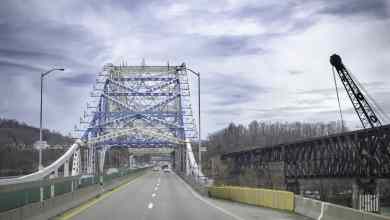
Infrastructure money in doubt for next COVID-19 response package
Trump and Republicans at odds over using pandemic as bridge to transportation funding.

FMCSA seeks crackdown on drivers with drug, alcohol violations
FMCSA has proposed a rule that would force states to stop issuing new, renewing or upgrading CDLs and CLPs, and in some cases even downgrading, for drivers until they complete the return-to-duty process following a positive drug or alcohol test result.

FMCSA proposes ‘driving ban’ for drug/alcohol violators
Agency wants state agencies to step up enforcement of CDL and CLP holders.

Women-owned trucking gets more access to new $320 billion PPP
Trump signs bill carving out $60 billion in loans specifically for smaller community-based lenders.

US Coast Guard monitoring oil tanker buildup off California (with video)
Triple the number of vessels at anchorage increases risk of oil spill.
Carriers trailing drivers in drug clearinghouse registrations
“More work to do” as FMCSA closes in on 900,000 total registrants.
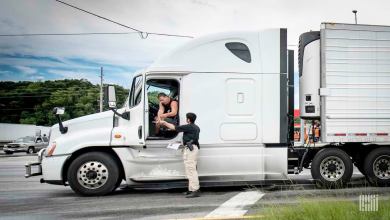
FMCSA loosens enforcement of driver violation reporting
Temporary change could leave carriers vulnerable to disqualified drivers.
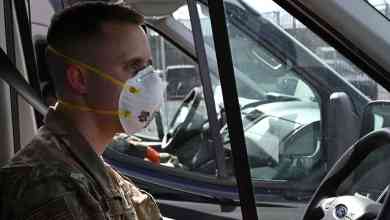
Lawmakers call for ‘czar’ to help drivers secure personal protective equipment
Group says more coordination needed to address insufficient supply of masks, hand sanitizer.
Transportation companies receive $10.6 billion in emergency cash
Sector makes up 3% of $342 billion worth of COVID-19 payroll protection loans.

Pronto AI seeks hours-of-service exemption for Copilot drivers
Startup wants its customers to be allowed an additional two hours in workday.
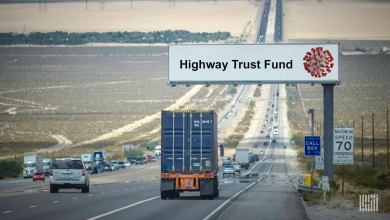
COVID-19 draining the highway trust fund
“Revenues plummeting” with less vehicle traffic, say government officials.

FMCSA waives CDL testing requirement for examiners
The FMCSA has waived procedures for CDL testing officials in the administration of knowledge tests, removing the requirement that officials be trained on administrating such a test.

Road builders promote bridge repair for economic recovery
Lobby group puts tab for restoring 231,000 U.S. bridges at $164 billion.
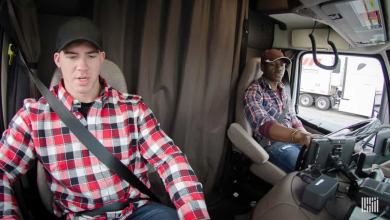
FMCSA allowing cameras to replace people for CDL road tests
States must submit plan detailing use of technology that supports social distancing.

FMCSA waives procedures for CDL testing officials
Knowledge test training course no longer needed for third-party examiners.

FMCSA to consider small brokers’ security bond exemption request
Coalition asserts $75,000 requirement is unfair to brokers and hurts small carriers.
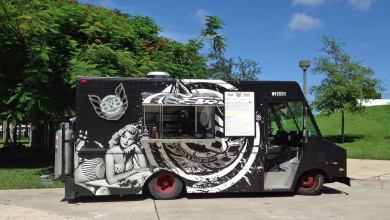
Truckstops, restaurants see threat from rest-area food trucks
Retail coalition cautions federal government about potential dangers to easing restrictions on Interstates.
$25,000 essential-worker ‘Heroes Fund’ seeks Republican support
Truck drivers would be eligible for COVID-19 “pandemic premium pay” under the proposal.

Paycheck Protection Program may get $250 billion boost
More funds for loans could help protect small and midsize carriers from layoffs.
Driving schools seek DOT authority for CDL testing
Coalition says legislation would help ensure flow of new drivers.
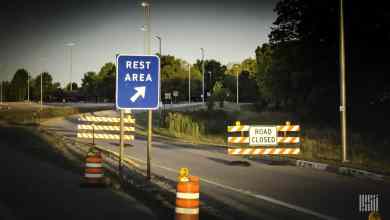
Drivers get more rest-stop relief from states
Feds okay food trucks while Arizona opens long-shuttered highway facilities.
Weight restriction exemptions help food carriers restock shelves quicker
Many states have now issued exemptions for carriers hauling critical supplies to exceed 80,000-pound weight limit
Roadside enforcement could decline as COVID-19 picks up
Drivers may receive more warnings, fewer walk-around inspections for violations.
Food carriers stay hungry for special overweight permits
States allowing 100,000-lb. trucks making a difference for resupplies during COVID-19.
Trump completes rollback of vehicle fuel efficiency standards
DOT’s final rule could mean millions fewer zero-emissions electric vehicles sold.

FMCSA waives certain provisions for drivers with learner’s permits
FMCSA has issued a three-month waiver that lifts restrictions that require a CDL holder to be in the front seat of a vehicle under certain conditions when it is being driven by someone with a learner’s permit.

FMCSA provides relief for driver training hit by COVID-19
Three-month waiver helps clear path towards CDL for learner’s permit holders.

FMCSA clarifies, expands range of cargo included under HOS waiver
Fertilizer, food packaging, feed products now covered following industry requests.

CARES bill opens billions in relief to small trucking companies
Congress expected to approve package that could help avoid permanent shutdowns
COVID-19 threatens driver training, supply
DMV closures causing loss of estimated 25,000 to 45,000 new drivers per month

FMCSA issues waiver for expiring licenses and medical cards
Waiver is valid for CDL and CLP holders through June 30.
Temporary operating authority gives private fleets chance to get moving again
Idle equipment can be placed in service to respond to COVID-19 emergency.

COVID-19 fallout boosts outlook for long-term infrastructure funding
Likelihood of economic recession could set stage for reauthorization in September.
CDL medical exams, drug-testing requirements under stress
COVID-19 priorities may require “non-emergency” waiver for drivers and carriers.
HOS emergency waiver easing truck capacity crunch
Relaxing of driver work restrictions provides breathing room to handle volume surge.
Emergency HOS waiver expanded to include raw materials
Paper, plastic, other commodities now exempted for COVID-19 response.
ATA appeals to White House for driver provisions
DMV flexibility, coronavirus testing among requests as potential for supply chain disruption grows.
Truckstop operators, fuel groups request HOS waiver for fuel
Exemption needed to protect against COVID-19-related fuel shortages, groups assert.
What qualifies for HOS relief? Industry needs to know
The FMCSA hours-of-service waiver has sparked confusion over what is considered emergency relief.

Relief possible for government freight delayed by COVID-19
Carriers subcontracting with feds may have access to delivery extensions.
Trucking wants more clarity on emergency HOS waiver
FMCSA order sparks confusion over what is considered emergency relief.

Congress gets serious about truck parking
Lawmakers have proposed a bill that would dedicate $755 million over five years to build new truck parking spaces across the country.
FMCSA postpones truck safety summit due to coronavirus
Agency is working to reschedule the all-day event that had been planned for March 19.
ATA seeks freeze on truck toll collection in Rhode Island
Move is next step in group’s fight against “unconstitutional” regime.

DHS: Cargo not deemed COVID-19 threat
European travel ban won’t affect trade, agency confirms.

COVID-19 exposing funding shortfalls at US ports — security expert
Congress urged to double Coast Guard budget over next decade.
FMCSA stresses MRO guidelines after D/A Clearinghouse reboot
CDL verification back on track after connection problems resolved.
Lawmakers propose $755 million to boost truck parking
Grant awards to be used to build new spaces or convert weigh stations.
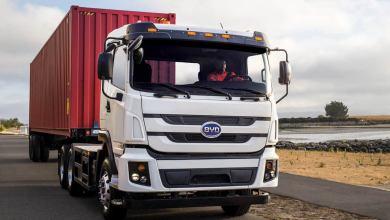
Truck maker BYD rejects suggestions of espionage
Company responds to Senate hearing alleging spying and market distortion by China.
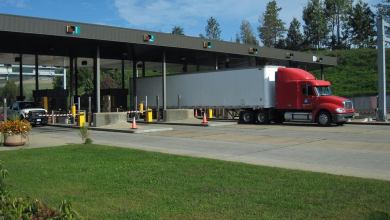
ATA pushing ahead against Rhode Island truck tolling
State’s monthly toll collections from trucks now exceeding $1.5 million.
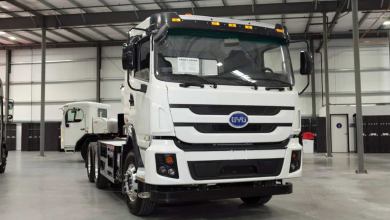
Lawmakers slam China-controlled truck maker BYD as threat to US
Company accused of cheating its way into U.S. markets while posing a security threat
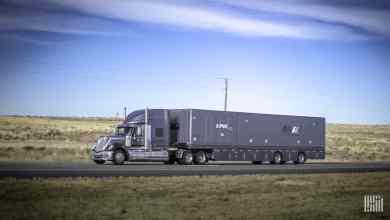
Movie production drivers seek flexibility in drug clearinghouse
Group claims full-query requirement adding “millions of dollars” in production costs.
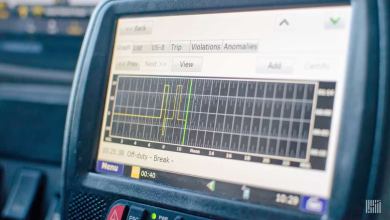
Trucking hours-of-service final rule under review at OMB
Making the 30-minute rest break more flexible is one of the proposed changes.

Ports begin enforcing bunker fuel carriage ban
Ships found carrying noncompliant fuel risk detention, monetary penalties.
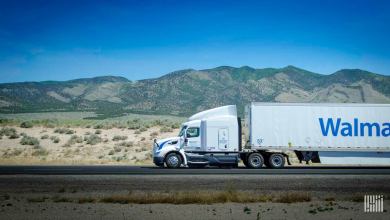
Walmart requests payout delay in sleeper berth case
Company seeks stay from federal court while it considers Supreme Court appeal.
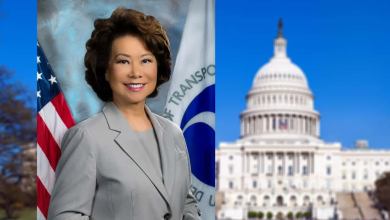
DOT reassures Congress on COVID-19 response
Chao outlines five measures aimed at protecting passenger and cargo transportation.

FMCSA advances plan to study assaults against female and minority drivers
Followup training would be aimed at increasing driver ranks.
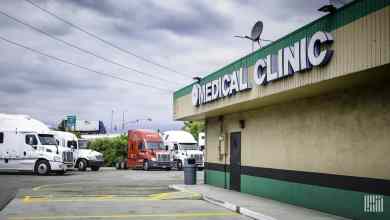
Study finds no racial bias in hair testing drivers for drugs
Trucking Alliance-backed analysis supports group’s push for federal testing changes.

NLRB restores joint-employer standard in final rule
Trucking companies advised to assess how new standard applies to workforce contracts.
UPS seeks exemption for training on double trailers
Carrier asserts current CDL requirement “creates a strain” on its operations.

USDA recommends ‘creative solution’ for transporting hemp
States urged to provide special documentation for drivers.

Drug clearinghouse snares 8,000 violations since January startup
FMCSA confirms more than 650,000 registrants in last seven weeks.
Walmart touts driver wages despite court rejecting back-pay rehearing
“No decisions” on next steps after appeals court ruling on sleeper berth petition.

Ninth Circuit denies rehearing of Walmart sleeper berth case (with video)
$54.6 million in back wages at stake for drivers in California.

North Jersey interchange worst truck bottleneck in U.S.
ATRI’s annual study finds significant congestion up 92% in five years.

New Class I railroad safety mandate may get challenged
Labor attorney takes issue with allowing carriers to keep accident evidence from being used in court.
Carriers and shippers call for long-term infrastructure funding
Response to DOT’s national freight strategy proposal reveals top concerns.
Trump demands protection for GPS-based transportation
Executive order establishes national policy to safeguard positioning and navigation services.
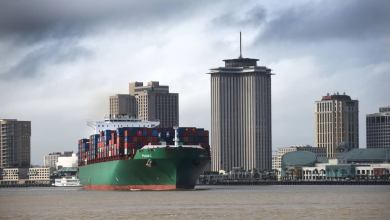
Gulf Coast shipping wins big in federal project funding
$360 million allotted to deepen the Port of Mobile and the Lower Mississippi River.
FMCSA approves registration fee reduction for 2020-21
A 14.45% cut from the 2018 fee level is being made to account for excess funds.

Trump’s budget seeks $1 trillion over 10 years for infrastructure
Proposal includes discretionary grants for truck parking.
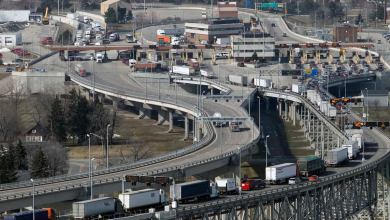
ATA warns of potential disruptions after DHS cross-border decision
Shutdown of Trusted Traveler Program in New York state could slow trade moving to and from Canada.
House Democrats approve ‘federal AB5’ legislation (with video)
PRO Act’s provisions mirror California law upending independent contractor status.

Owner-operators seek dedicated federal funds for parking
Proposal would create competitive grant program for projects that add capacity.
Under-21 driver proposals get pushback at U.S. Senate hearing
Opposition from safety advocates could mean rough road to inclusion in highway bill.

ATA joins Walmart in California sleeper berth rehearing request (with video)
CRST, U.S. Xpress also support petition to review decision awarding $54.6 million to drivers.
US orders vessel crew restrictions in wake of coronavirus
Ships recently in China considered a “hazardous condition”
Bipartisan report argues for ‘one last increase’ in diesel tax
Raising tax by 15 cents a gallon is needed before transitioning to mileage-based fee, according to lobbying group.
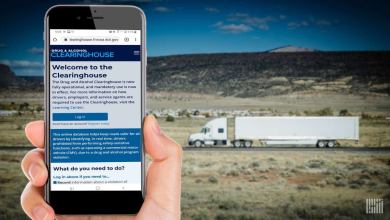
FMCSA gives troubleshooting advice for Drug & Alcohol Clearinghouse
Agency confirms it will credit ‘query’ balances in certain cases.

Delaware River deepening nears long-awaited completion
Blasting out underwater “speedbumps” last hurdle for $485 million project.

Driver training group frustrated with training rule delay
CVTA vows to push FMCSA for earlier implementation.
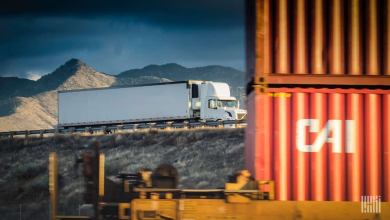
House Democrats unveil $760 billion infrastructure strategy
Funding likely to remain elusive for proposal that focuses on zero-carbon initiatives.
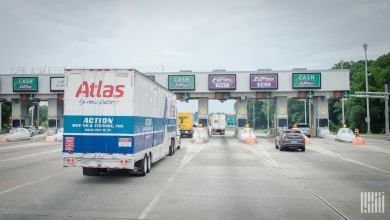
U.S. Supreme Court declines to hear OOIDA’s appeal of toll ruling
Owner-operator group calls decision “highway robbery.”
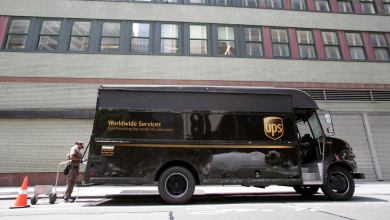
UPS broadens fight against human trafficking
Parcel drivers join long-haul colleagues in training to bolster community safety.

US seeks steering parts divestiture in WABCO-ZF merger
Justice Department asserts separation will preserve competition in North America.

Driver abuse complaints continue to follow Amazon
Truck owner claims his employer and Amazon worked him “like a rented mule.”

FMCSA resolves Drug & Alcohol Clearinghouse glitches
Agency recommends repeating queries to ensure compliance.

CDL trainers caution against lifting hearing-impaired restrictions
Difficulty communicating instructions while in the cab cited as safety risk.

Bloomberg proposes national clean-truck voucher program
Presidential candidate’s Clean Transportation Plan calls for 15% of new trucks to be pollution-free by 2030.
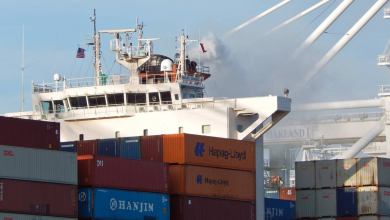
US updates IMO 2020 enforcement policy
Ship owners failing to prove compliance face criminal fines and penalties.

Mirrorless trucks gain heavy favor in NHTSA proposal
Truck manufacturers claim improved aerodynamics could save a driver up to 400 gallons of fuel a year.